





No to Execution
People facing the death penalty for political, civil, or humanitarian acts. This section documents cases on death row, supports families resisting executions, and mobilizes international pressure to stop state killings.
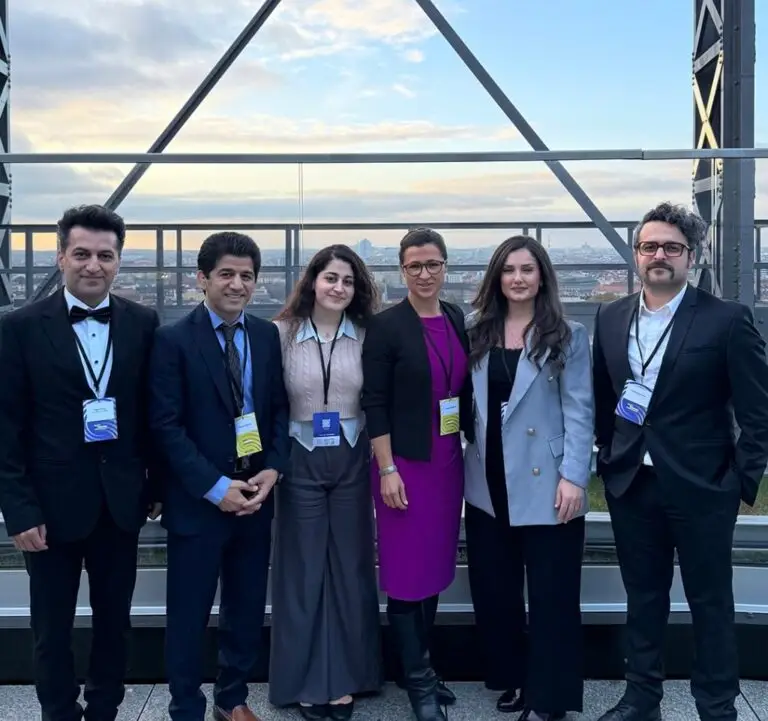
Founder & Head of Athletes
Head of Youth and Education
Head of Justice for Victims
Head of International Relations
People facing the death penalty for political, civil, or humanitarian acts. This section documents cases on death row, supports families resisting executions, and mobilizes international pressure to stop state killings.
We focus on cases where authorities refuse to return bodies, conceal burial sites, or withhold information from grieving families. By documenting these patterns, we challenge the use of death as continued punishment and support families seeking truth, dignity, and the right to mourn.
We document cases of individuals taken by authorities whose whereabouts remain unknown, often accompanied by denial, intimidation, and legal obstruction. This campaign supports affected families and works to expose the systemic use of disappearance as a tool of control and silence.
Hiwa’s work spans advocacy, documentation, media engagement, and grassroots organizing…
Kurdish people in Iran face layered discrimination. Their ethnic identity is often used to justify state repression, imprisonment, and executions.
Kurdish share of Iran’s population
of all executions (2024) were Kurds
of political arrests (2024) were Kurds
Kurds killed in the 2022–23 uprising (confirmed)
Seven pillars guide our mission to protect Kurdish life, culture, and dignity — combining advocacy, research, and direct support.
We document crimes, torture, executions, and systematic violations in Rojhelat. By preserving evidence, elevating cases, and honoring the memory of victims and the disappeared, we push for justice for political prisoners, injured protestors, and bereaved families.
We safeguard Kurdish cultural identity and use art as non-violent resistance. Through exhibitions, film, and cultural diplomacy, we collaborate with artists to expose injustice, amplify Kurdish voices globally, and keep heritage alive.
We document gender-based violence and link it to international advocacy. Our work spans policy proposals, leadership development, and networks that elevate Kurdish women as decision-makers, spokespersons, and movement leaders.
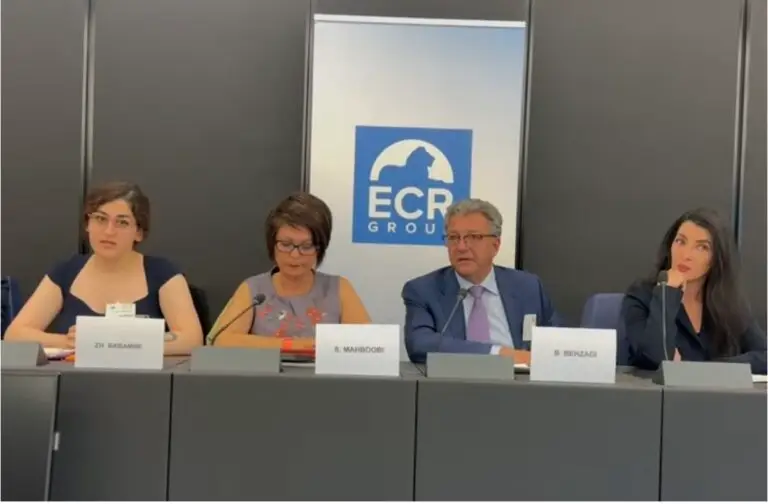
We engage UN, EU, and global bodies; craft narratives rooted in human rights law; and shape policy proposals for a democratic future. Through diplomatic outreach and research, we ensure Kurdish rights remain on the international agenda.
We work with young Kurds to reclaim their history and sense of identity through education and dialogue. By promoting original stories, critical thinking, and cultural awareness, we undo decades of distortion and empower a generation that knows its roots and role in a democratic future.
Hiwa’s Athletes for Freedom defends persecuted athletes, campaigns to ban regime flags, anthems, and officials from international sports, and supports imprisoned and exiled athletes—turning the power of sport into a force for freedom, dignity, and justice.
We support families of victims and communities in Kurdistan with emergency relief and essential services. Partnering with aid groups, we channel resources to displaced and at-risk Kurds and assist refugees through documentation and advocacy.
It’s important for us to hear your insights on how we can improve our work. Your voice is what we try to amplify and your feedback could help us forward. Your suggestions are anonymous.
Founder & Head of Athletes
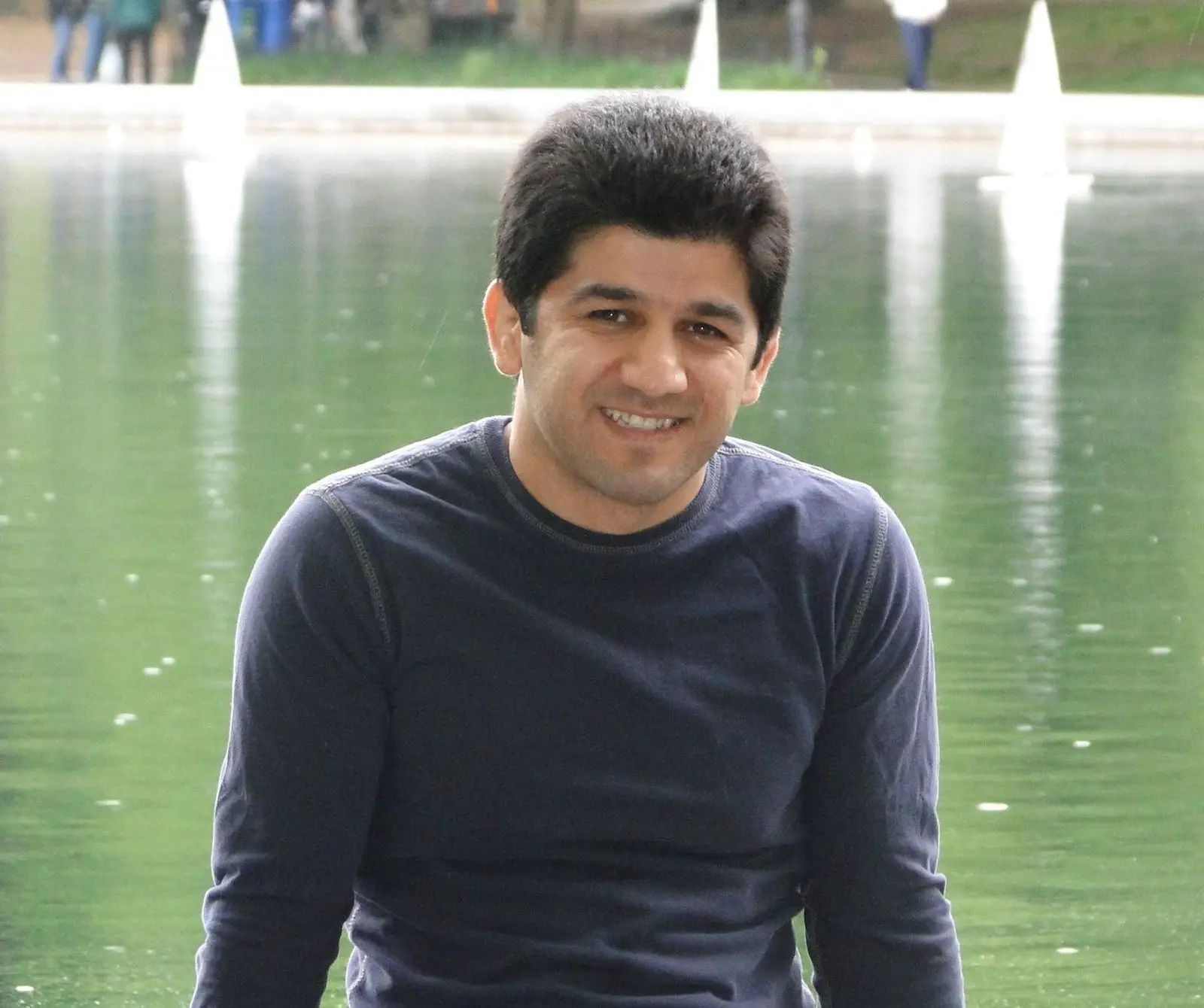
Sardar Pashaei is a Kurdish activist, former world wrestling champion, and a relentless advocate for justice. At just five years old, he experienced oppression firsthand, visiting his imprisoned father every Thursday.
Banned from competing internationally due to his political family background, he eventually fled Iran and became a U.S. citizen. He has dedicated his time and voice to supporting the Woman, Life, Freedom movement, working with U.S. Congress, the European Parliament, and international organizations to raise awareness about the Iranian people’s struggle.
His activism has come at a personal cost—his younger brother and sister have both been arrested and tortured in Iran. Today, he leads Justice & Freedom for Iran, bringing together survivors, activists, and athletes to work toward a democratic and secular Iran.
