
Two Men Executed After January Protests
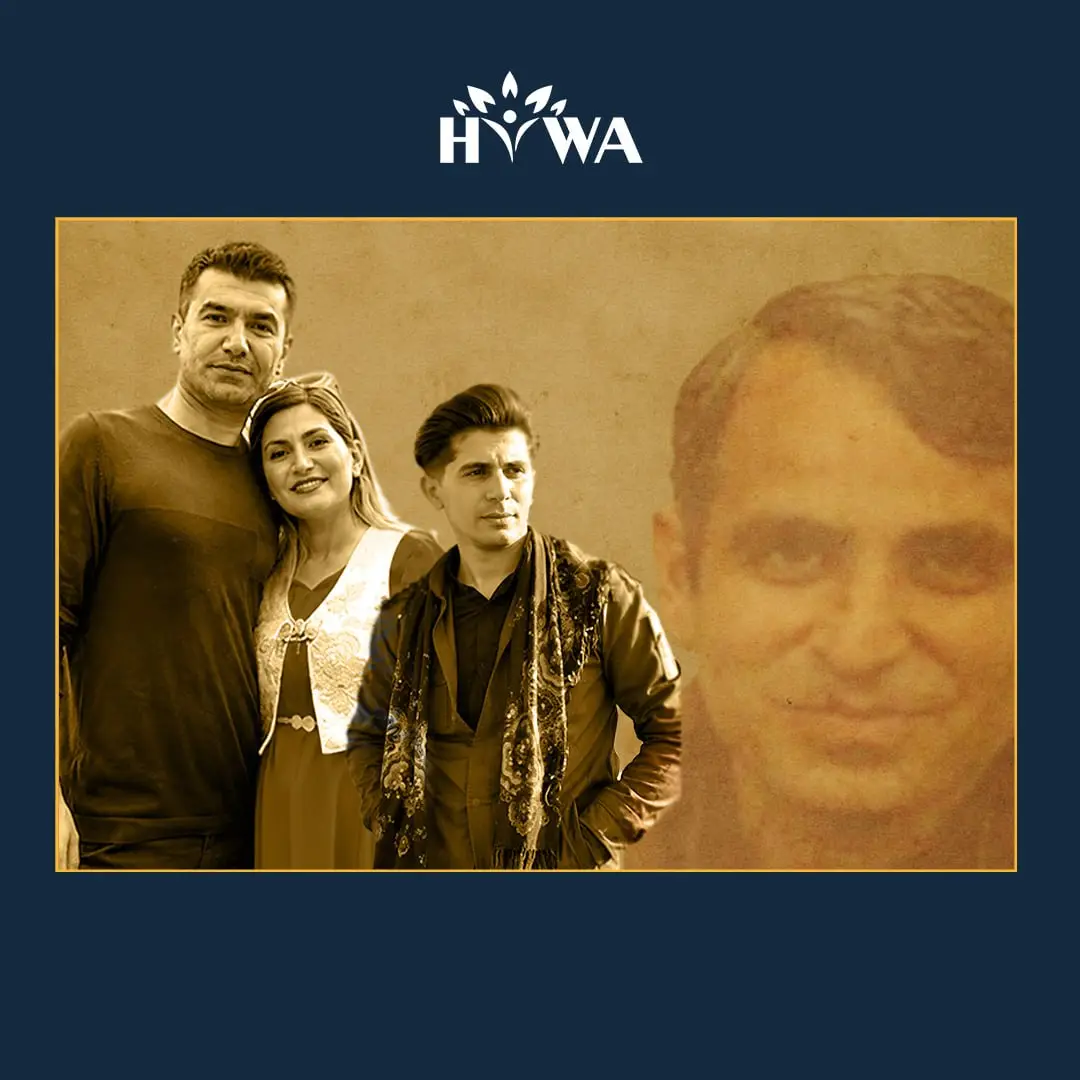
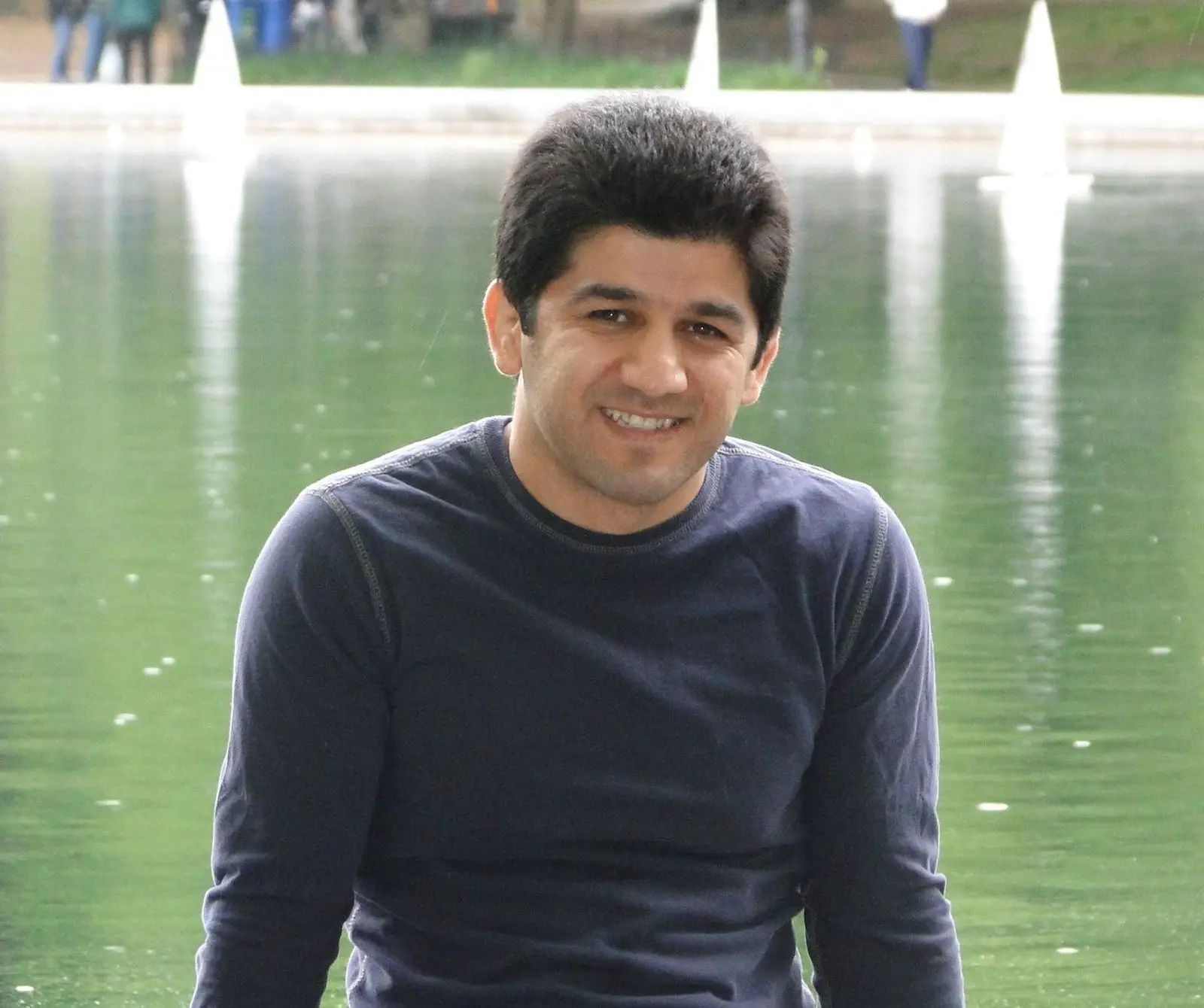
Iranian authorities executed Javad Zamani and Abolfazl Saedi at dawn on 16 June 2026.
Both men faced charges linked to the January 2026 protests in Shahroud. The judiciary identified them as defendants in a protest-related security case.
Mohammad Sadegh Akbari, the head of the judiciary in Semnan Province, announced the executions. He said the case went through the Public and Revolutionary Prosecutor’s Office in Shahroud and Branch 1 of the Revolutionary Court in the city.
He also said the Supreme Court had upheld the sentences before the authorities carried them out.
Heavy Security Charges
Iranian judicial officials accused Javad Zamani and Abolfazl Saedi of several serious charges.
These included “moharebeh,” “corruption on earth,” destruction of public and private property, disruption of public order, and assembly and collusion against national security.
Under Iranian law, charges such as moharebeh and corruption on earth can lead to the death penalty.
Lack of Transparency
The official announcement left many key questions unanswered.
The announcement did not clarify the exact date of arrest. It gave no information about their place of detention. Moreover, it did not explain whether they had effective access to independent lawyers.
The announcement did not give details about the court process, the evidence used against them, or the prison where the executions took place.
This lack of transparency creates serious human rights concerns. These concerns become even more urgent in cases that end with the death penalty.
Fair Trial Concerns
Every defendant has the right to a fair trial. This includes effective access to a lawyer, a transparent judicial process, and protection from forced confessions.
In death penalty cases, these safeguards become a matter of life and death.
The executions of Javad Zamani and Abolfazl Saedi raise serious concerns about due process, transparency, and the use of capital punishment against protest-related defendants.
Death Penalty Used Against Protesters
These executions follow a wider pattern of harsh sentences against people arrested during the January 2026 protests.
Iranian authorities have also used heavy security charges against protesters. In many cases, however, they have kept important parts of the legal process away from public scrutiny.
The executions of Javad Zamani and Abolfazl Saedi show once again how the death penalty can become a tool of political repression.
Iran must halt executions connected to protest cases. The authorities must also guarantee fair trials, access to independent lawyers, and full transparency in all cases involving the death penalty.