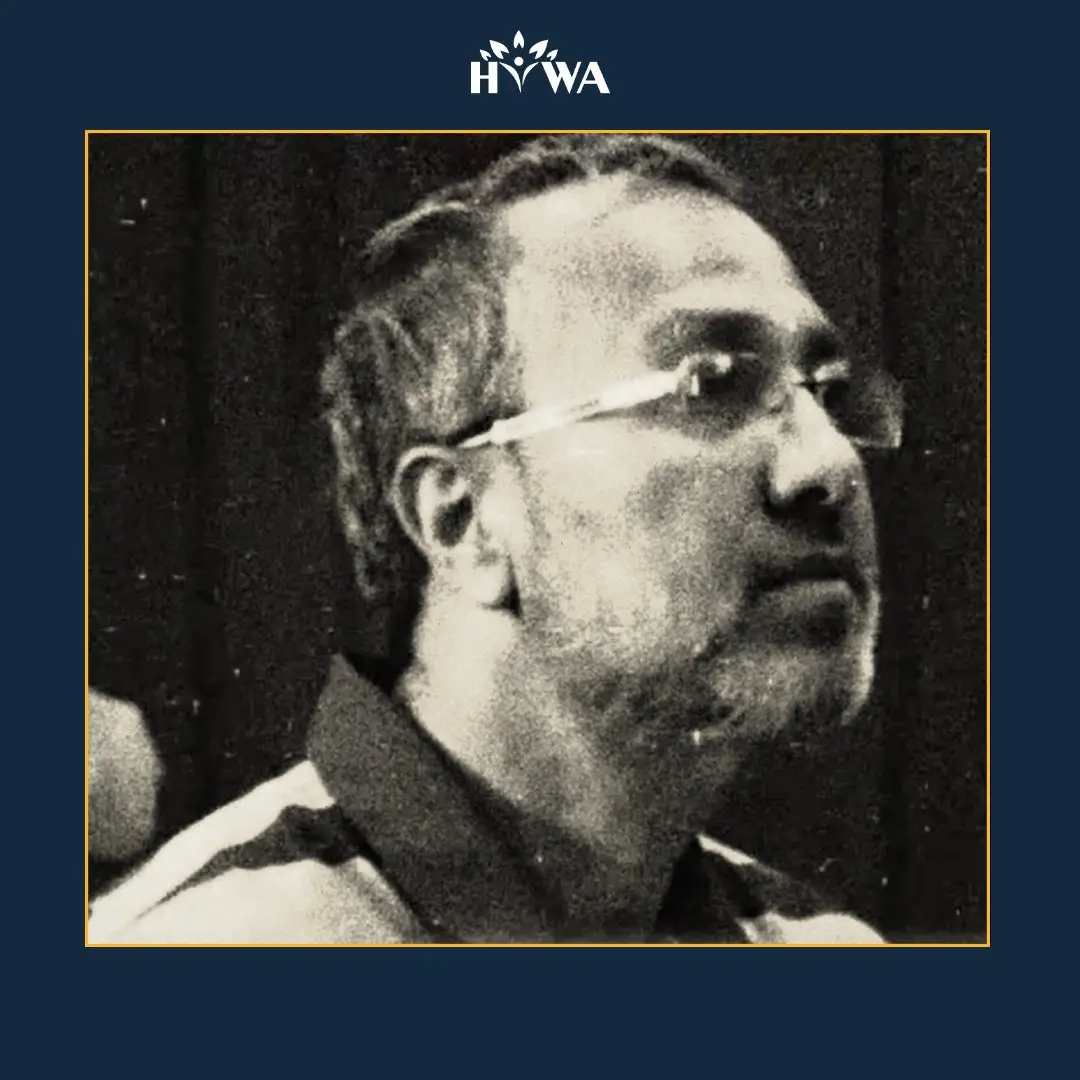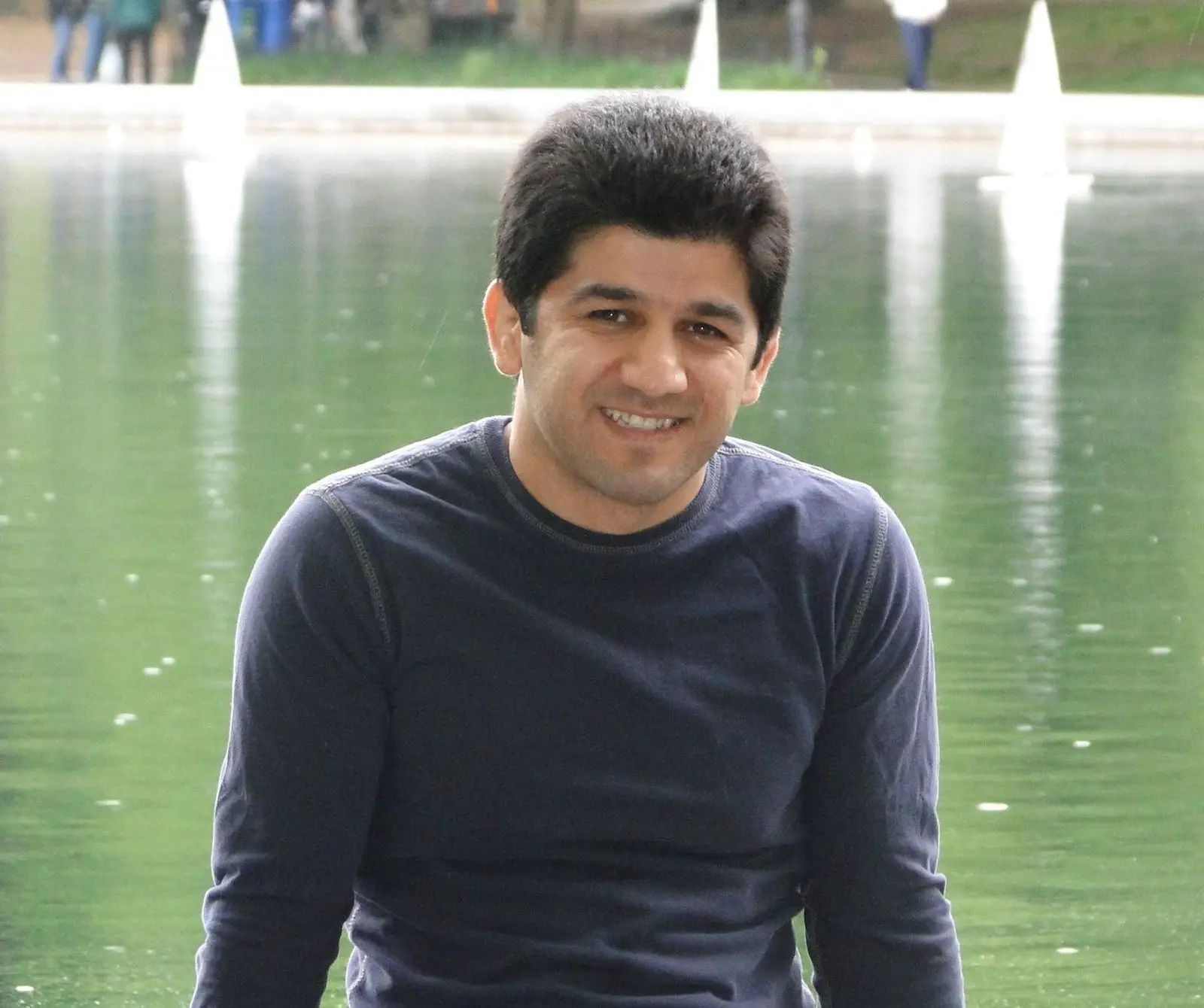

In the past week, reports have emerged of at least seven death sentences being issued, communicated, or upheld against political prisoners and detainees from the January 2026 protests in Iran. These rulings have been reported in cases where many key details remain unclear, including the exact charges, court proceedings, access to independent lawyers, and evidence used by the courts.
New Death Sentence in East Azerbaijan
Among those sentenced is Ehsan Khodadadi, a citizen from Malekan in East Azerbaijan Province. He was arrested by security forces on June 7, 2025.
On Monday, June 15, 2026, Branch 1 of the Revolutionary Court in Tabriz sentenced him to death on the charge of “corruption on earth.” So far, no clear details have been published about the basis of the accusation or the evidence used to justify the death sentence.

Death Sentences Linked to January 2026 Protests
Mehdi Ranjbar and Morteza Zamani, two citizens from Shahroud in Semnan Province, were arrested on January 8, 2026, during the January protests. According to recent reports, both have been sentenced to death on the charge of “moharebeh,” or “enmity against God.”
However, there is no transparent or independently verified information about the judicial process, the court that issued the rulings, or the evidence used in their cases.
Four other prisoners — Ali Fattah/Ali Kamali, Mohammad Naghizadeh, Peyman Ganji, and Alireza Peyghambari — have also been identified as detainees from the January protests. According to published reports, the death sentences of Ali Fattah/Ali Kamali and Mohammad Naghizadeh have been upheld, while Peyman Ganji and Alireza Peyghambari have also been sentenced to death in protest-related cases on charges including “moharebeh.”

Death Penalty as a Tool of Political Repression
The issuing and confirmation of these death sentences in cases marked by ambiguity and lack of transparency has intensified concerns over the Islamic Republic’s use of the death penalty as a tool of political repression.
When capital punishment is used in cases where due process, access to legal defense, and evidence remain unclear, the risk of irreversible injustice becomes extremely high. These cases require urgent international attention, especially as the Islamic Republic continues to use security-related charges against protesters, political prisoners, and dissenting voices.