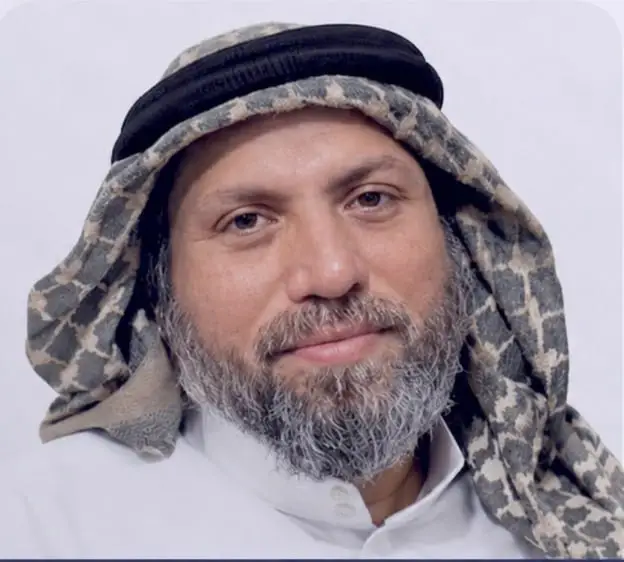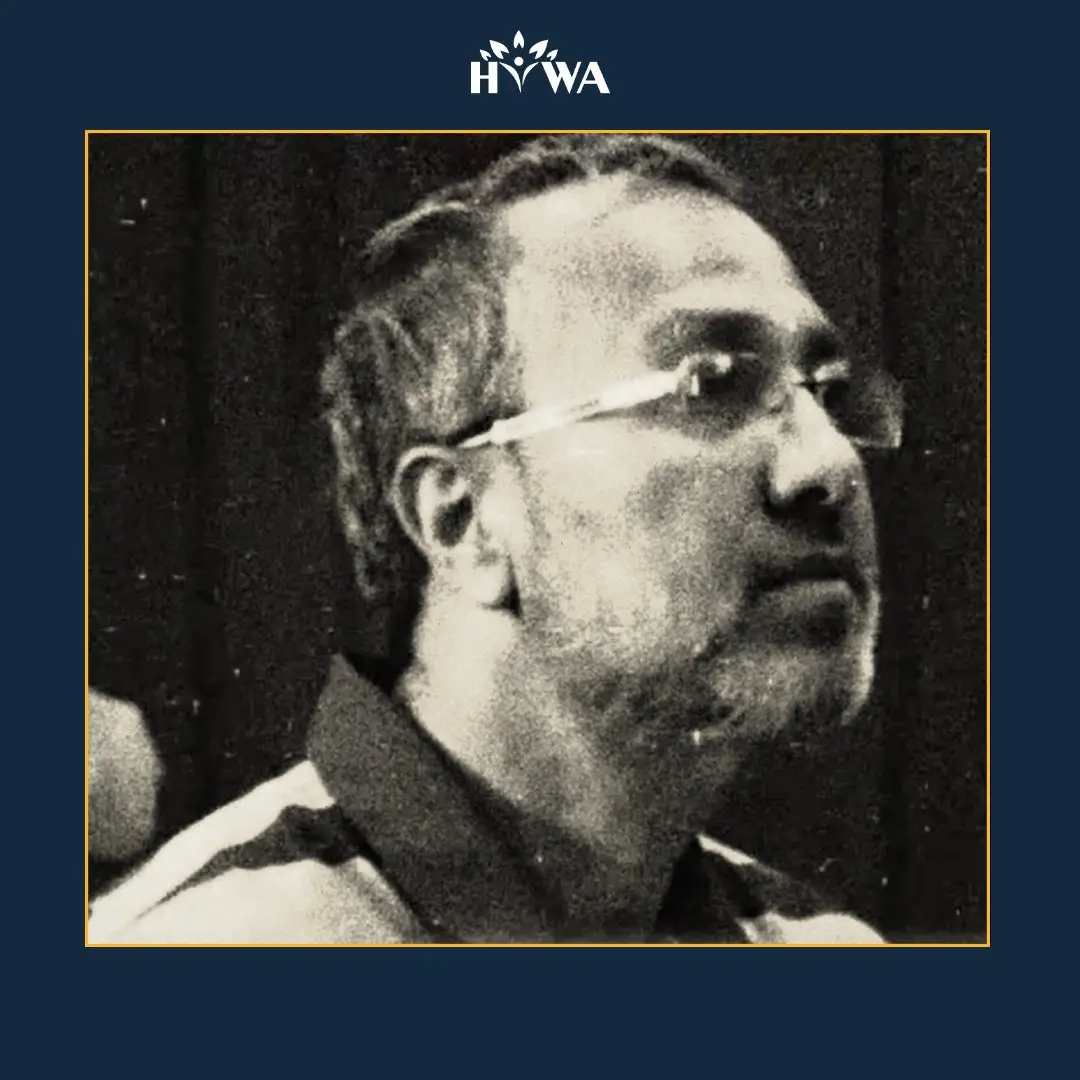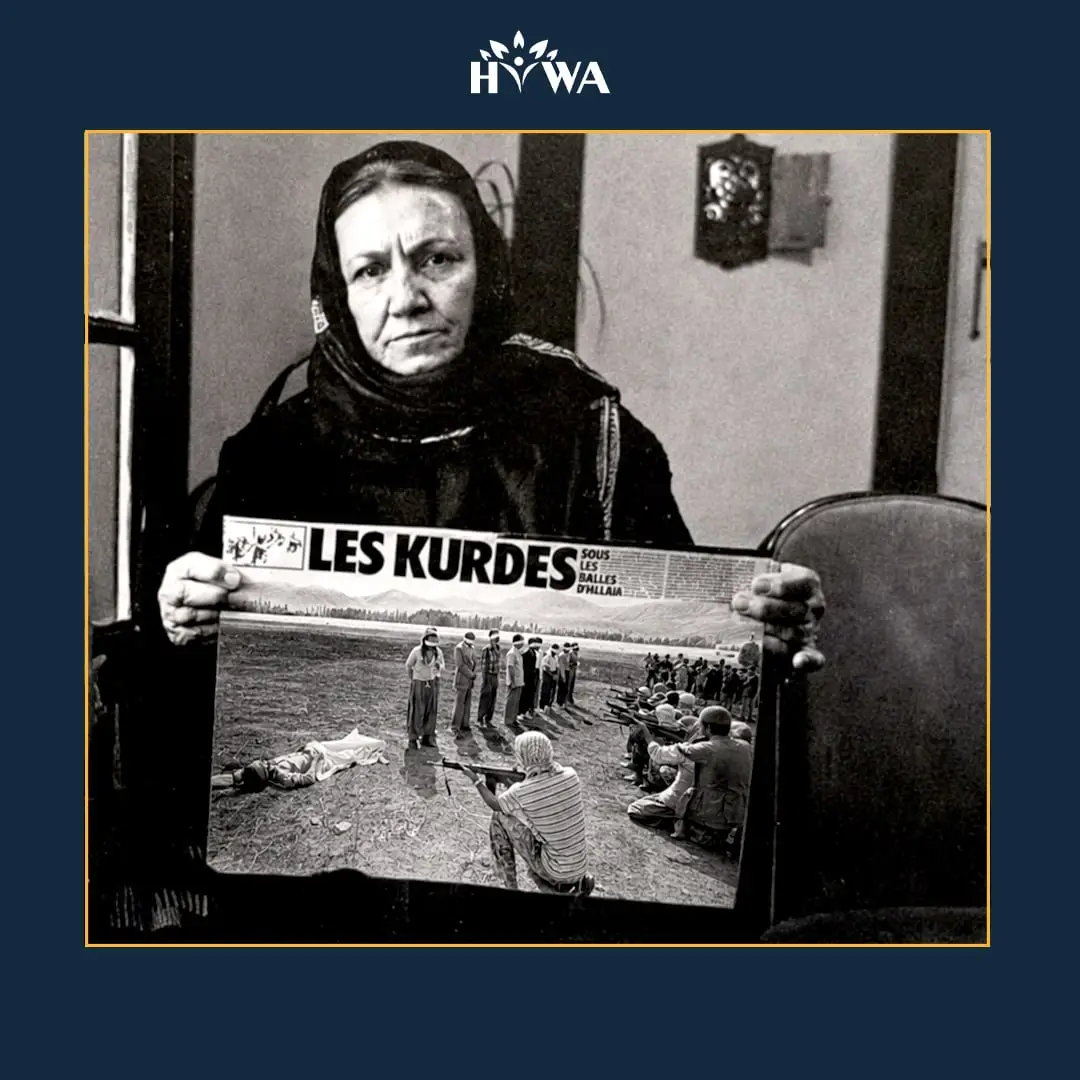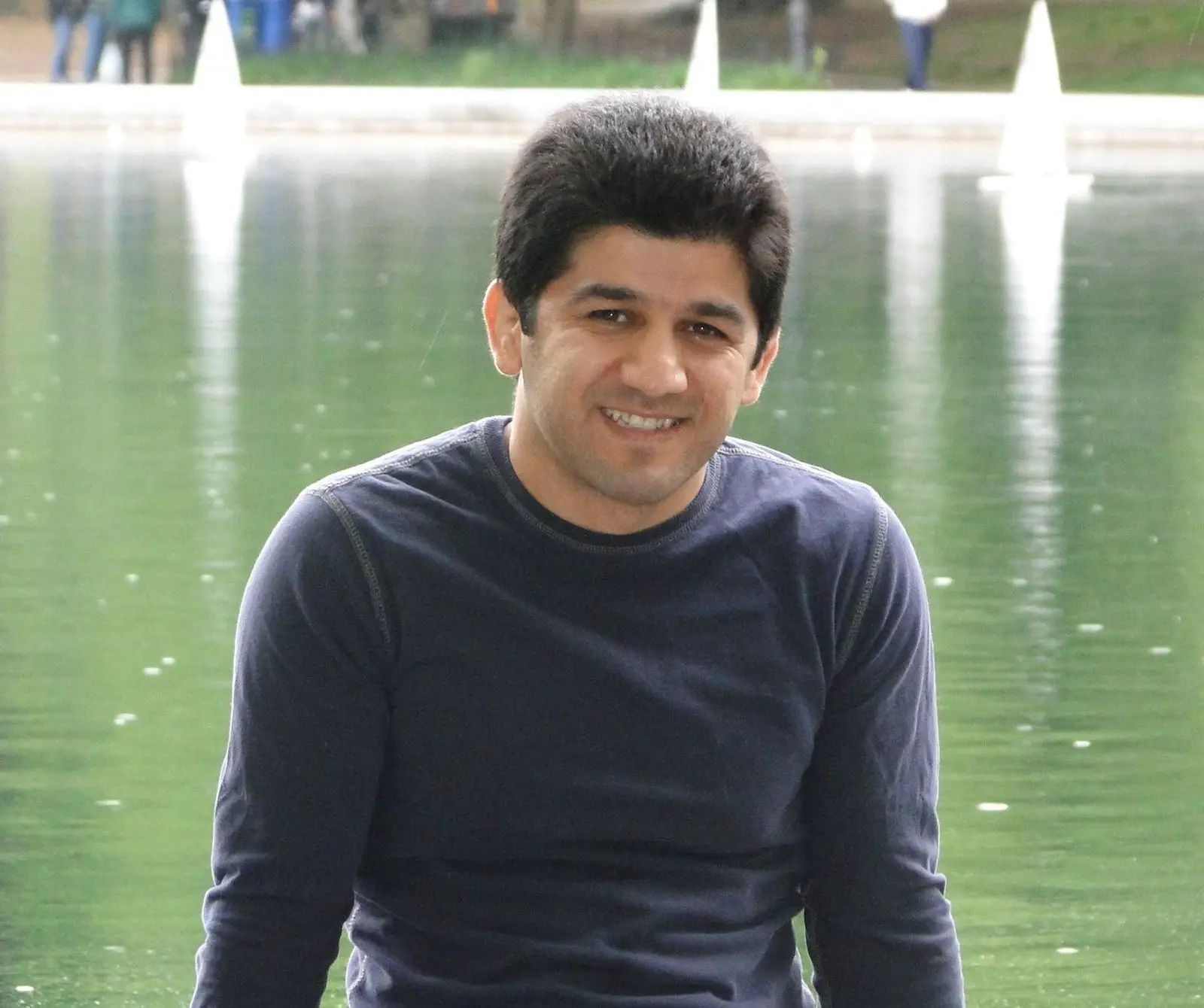
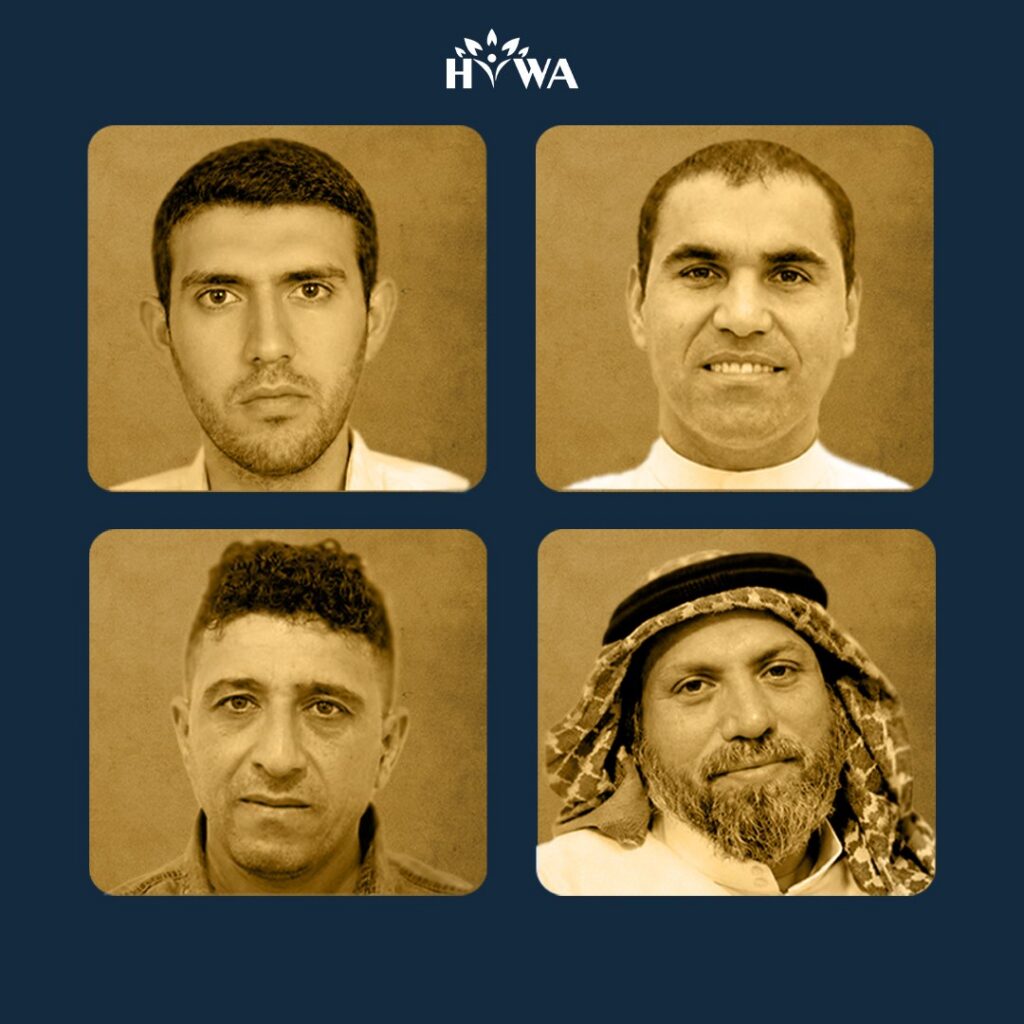
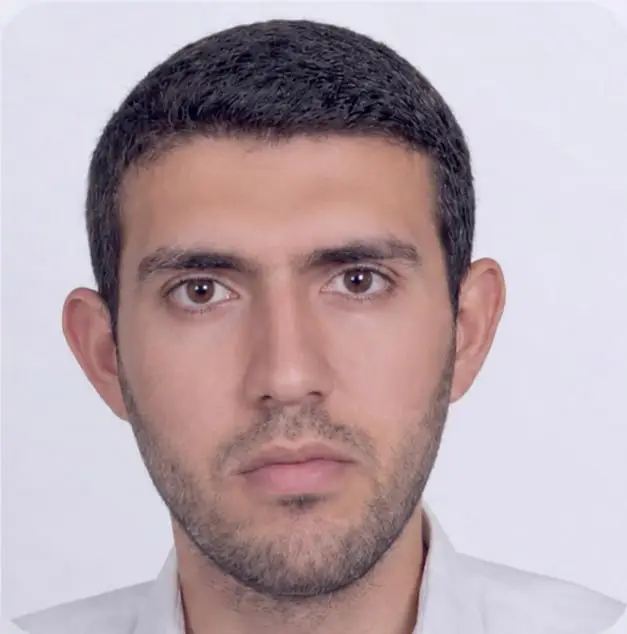
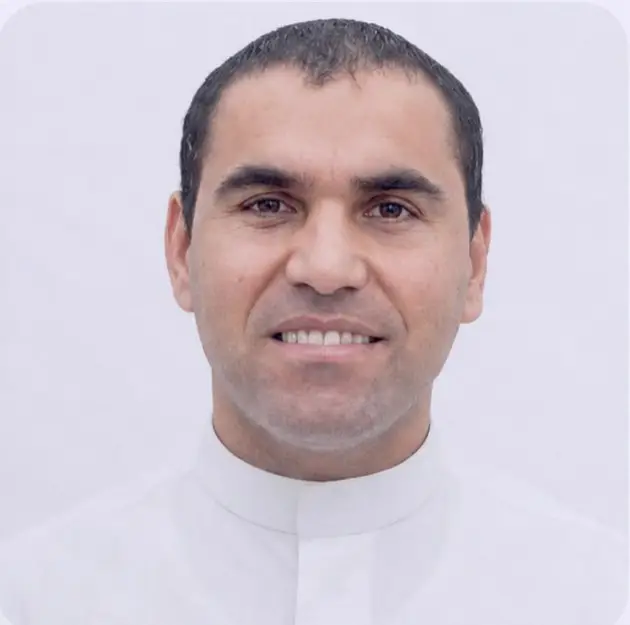
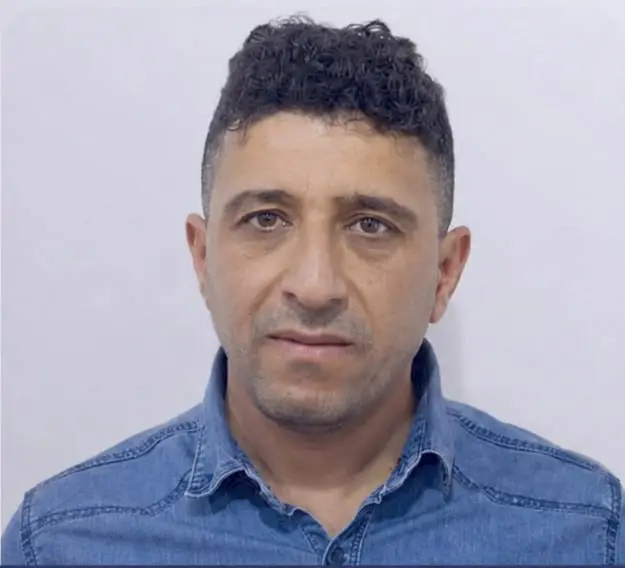
Nazem Breihi, Yahya Nasseri, Abdulzahra Helichi, and Abdul-Imam Zaeri are four Ahwazi Arab political prisoners. They are among the longest-held political prisoners in Iran.
Security forces arrested them during a wide wave of arrests in Khuzestan in 2005. Later, the Revolutionary Court of Ahvaz sentenced them to life imprisonment.
After more than two decades in prison, the judiciary has reduced their life sentences to 25 years and one month. At first, this may look like a sentence reduction. In reality, it means they must still spend around four more years in prison after already losing 21 years of their lives.
More Than Two Decades Behind Bars
Over the years, authorities have held the four prisoners in Karoun Prison, Sheiban Prison in Ahvaz, and Arak Prison.
Today, Yahya Nasseri, Abdulzahra Helichi, and Abdul-Imam Zaeri remain in Sheiban Prison in Ahvaz. Nazem Breihi remains in Arak Prison, far from his home and family.
Nazem Breihi was arrested as a young man. After years in prisons in Ahvaz, authorities transferred him to Arak Prison. Reports indicate that prison authorities have denied him basic rights, including furlough and regular family access.
Yahya Nasseri has also remained in prison since 2005. Reports indicate that interrogators held him for months in solitary confinement and subjected him to severe questioning. His name also appeared in reports about the repression of prisoners in Sheiban Prison after the April 2020 prison protests.
Lives Lost to Long-Term Political Imprisonment
Abdulzahra Helichi was in his early twenties when authorities arrested him. He spent his youth behind bars. His case shows the cost of long-term political imprisonment: lost youth, family separation, and years of freedom taken away.
Abdul-Imam Zaeri has faced serious health problems during his long imprisonment. Reports mention gastrointestinal illness, mouth and dental infections, and denial of specialized treatment outside prison. These conditions have raised serious concern for his health.
The reduction of their sentences after 21 years does not represent justice. Instead, it shows the scale of the injustice they have endured.
When someone spends more than two decades in prison, reducing a life sentence cannot repair the damage. It cannot return the lost years, the family moments, the freedom, or the health taken from them.
No sentence reduction can erase 21 years of imprisonment. These four Ahwazi Arab political prisoners have faced two decades of exhaustion, uncertainty, deprivation, and prison. Despite the sentence reduction, they have still not been released.