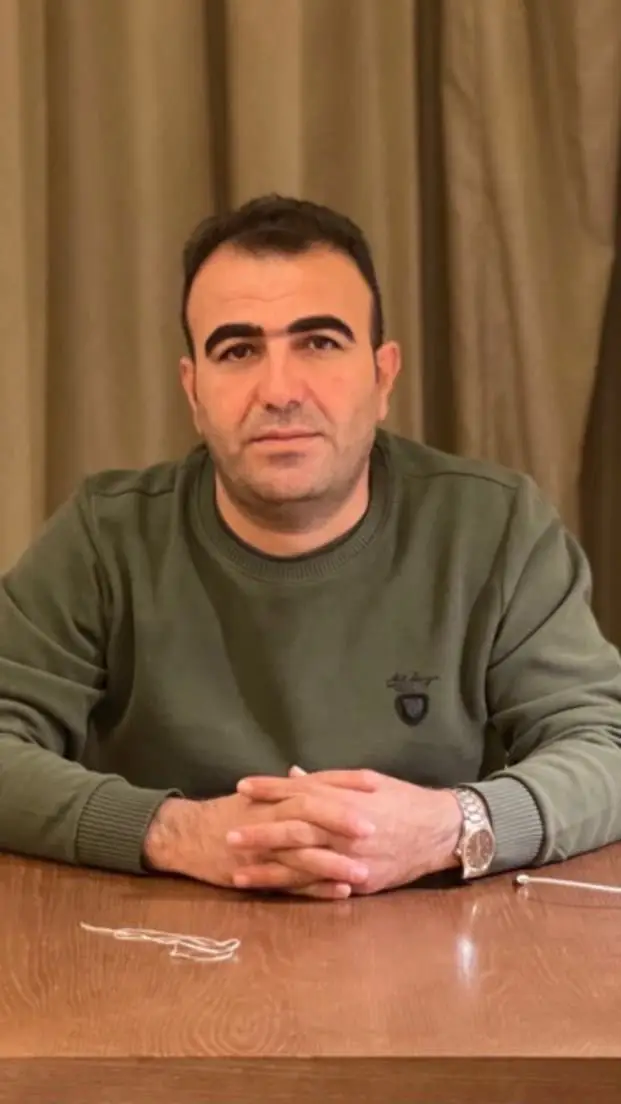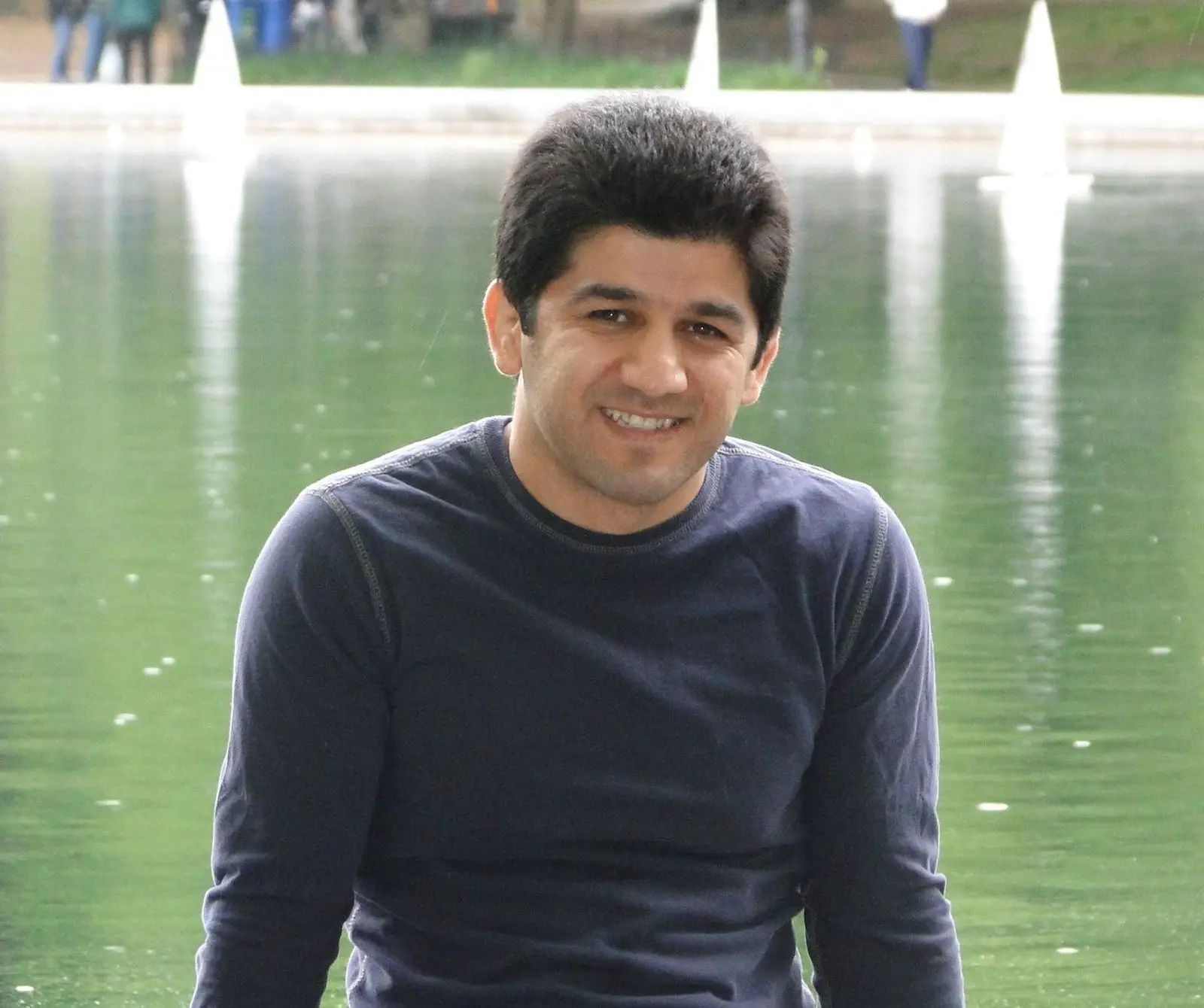
Where Are Their Bodies?
In many cases of state violence, the harm does not end with execution. Families are denied access to the bodies of their loved ones, burial sites are concealed, and official records are withheld or manipulated. The refusal to return bodies transforms death into a prolonged form of punishment, leaving families in a state of uncertainty and unresolved grief.
The “Where Are Their Bodies?” campaign documents cases in which authorities refuse to disclose burial locations, withhold death certificates, or silence grieving families. Such practices constitute serious human rights violations and inflict psychological suffering while obstructing accountability. By preserving documentation and testimony, this campaign challenges attempts to erase both the individual and the truth surrounding their death.
A Documented Case: Rasul Ahmad Rasul
The case of Rasul Ahmad Rasul reflects the pattern described above — a secret execution, a family denied contact, and the continued refusal to disclose burial information.
Below is a detailed account of his case.
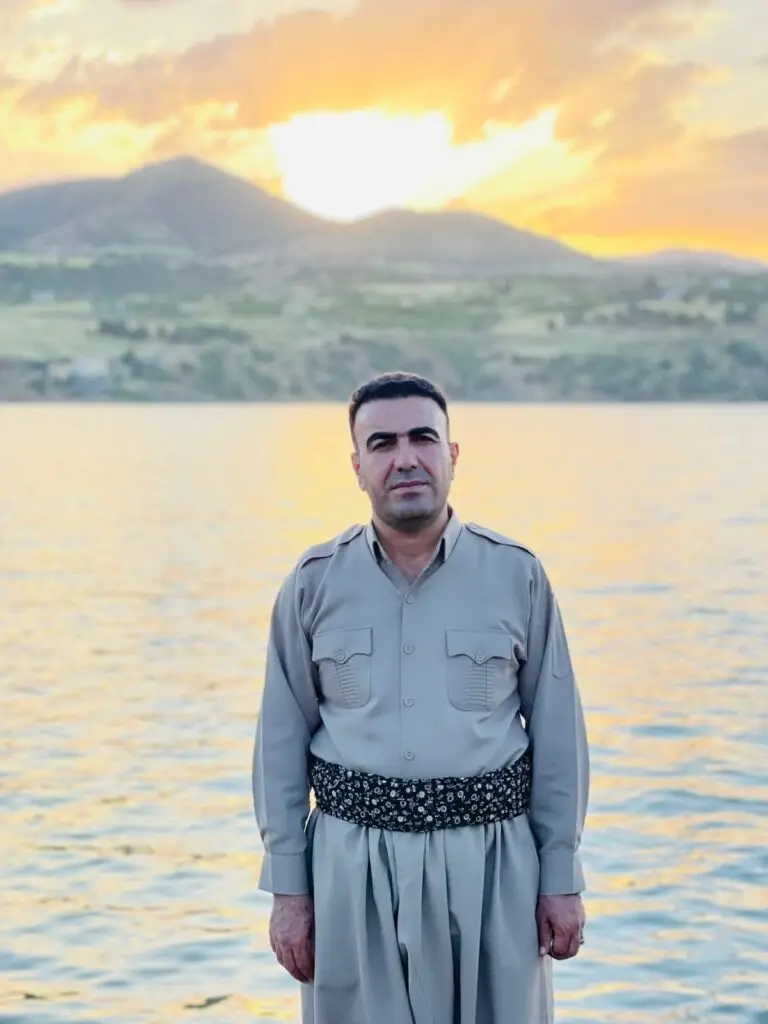
Campaign Statement: Justice for Rasul Ahmad Rasul
Rasul Ahmad Rasul, a Kurdish Iraqi citizen from Pishdar in Sulaymaniyah, was executed in Iran in June 2025 on the second day of a declared ceasefire. His family was never informed of the exact date of his execution, nor of the location of his burial.
He was one of three men sentenced to death by the Iranian judiciary on charges of “moharebeh” (war against God) and “efsad fel-arz” (corruption on earth), allegedly through cooperation with hostile foreign governments in favor of the Zionist regime. The sentence was issued without a fair trial and was based on confessions extracted under torture and psychological coercion.
From the time of his arrest in July 2023 until his execution, Rasul Ahmad Rasul’s family — including his wife, three children, father, and brother — were denied all contact and visitation. His father and brother repeatedly traveled from Iraqi Kurdistan to Iran but were never permitted to see him.
Following the announcement of his execution, Iranian authorities refused to return his body, disclose the burial site, or issue an official death certificate.
Today, his family lives with unbearable uncertainty. They do not know where he is buried, how he was killed, or why he was denied even the most basic procedural rights. This conduct constitutes a grave violation of international human rights standards and amounts to psychological suffering imposed upon the family.
Our campaign calls upon the international community, human rights organizations, UN Special Rapporteurs, and institutions committed to justice to demand transparency regarding his burial location, the issuance of an official death certificate, and accountability from Iranian authorities for this secret and unlawful execution.
HIWA stands in solidarity with the family of Rasul Ahmad Rasul and urges urgent and effective international action.
He has the right to have his grave known.
His family has the right to mourn him in peace.