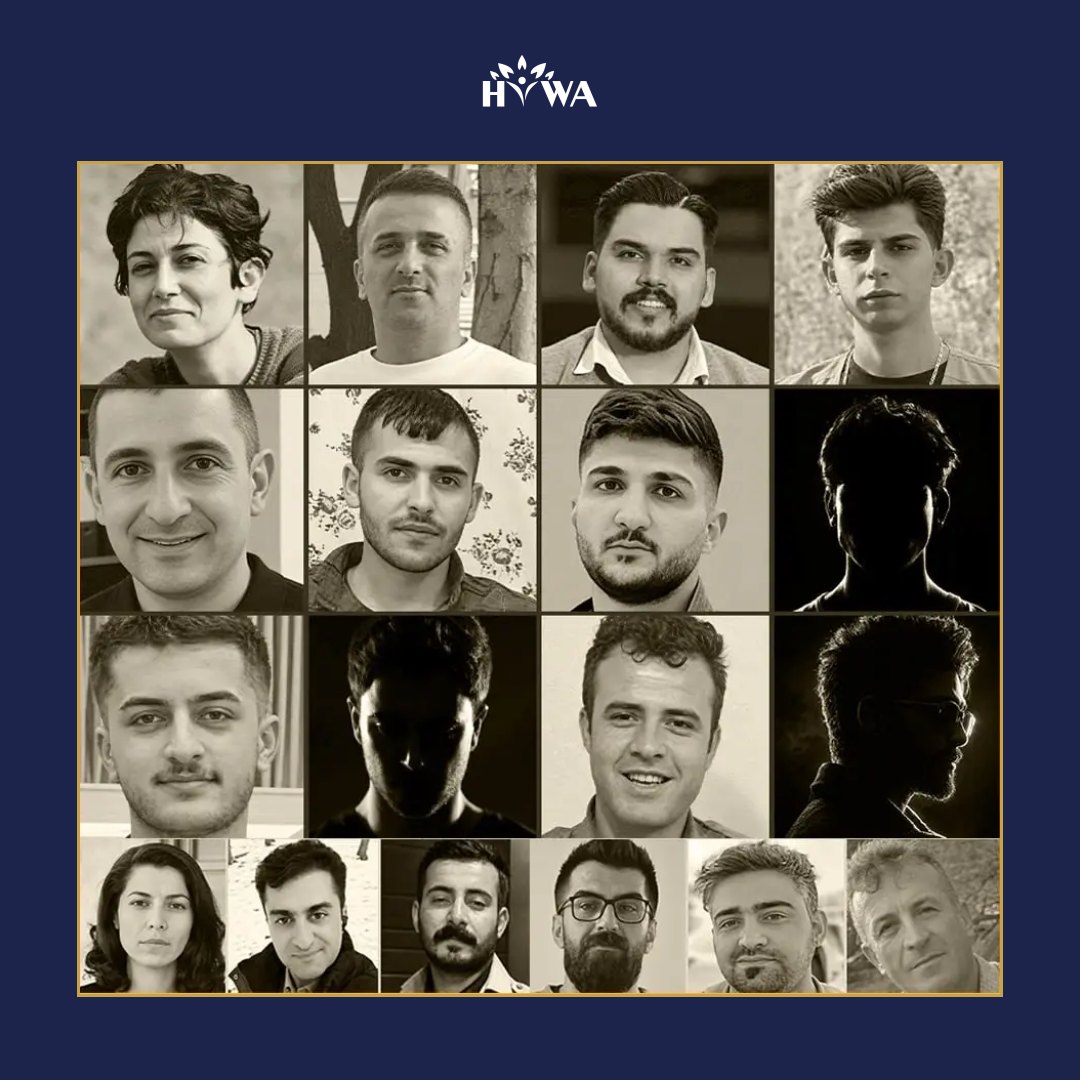
The State’s Deadly Game with the Lives of the Ekbatan Youth


A case built on fear and uncertainty
The Ekbatan case is one of the longest and most complex cases linked to the “Woman, Life, Freedom” protests.
The case began after the killing of Arman Aliverdi, a member of the Basij forces. Security forces then arrested dozens of young people in Tehran’s Ekbatan residential complex.
Over the past several years, the authorities have pushed the defendants between hope, uncertainty, shock, and renewed fear of execution.

Four defendants face death sentences
In the latest development, Judge Abolqasem Salavati has issued death sentences for four defendants in the Ekbatan case. Salavati heads Branch 15 of the Tehran Revolutionary Court.
According to reports, prison officials told the defendants about the sentences orally. Their lawyers were not present. The authorities also did not inform the lawyers in advance.
This method raises serious concerns. A prisoner who hears a death sentence without seeing the written verdict faces intense psychological pressure. At the same time, lawyers cannot prepare a strong appeal without access to the full ruling.

Two courts, two separate paths
Families and lawyers left in the dark
The oral announcement of the death sentences has left families in deep uncertainty.
They do not have the written verdict. They do not know exactly when the legal deadline for appeal begins. They also do not know how the lawyers can challenge the ruling without full access to the case documents.
This creates a dangerous situation. The state controls both the timing and the information. The defendants, their families, and their lawyers must respond while facing fear, pressure, and confusion.

A symbol of the state’s cruelty
Today, the Ekbatan case has become a symbol of how the Islamic Republic plays with the lives of young people.
The defendants have repeatedly moved close to hope, only to return to the shadow of execution. In only five days, hope of escaping the gallows turned again into the nightmare of a death sentence.
The death sentences against these four young men are not final yet. But their lives are in serious danger.
Why did the Revolutionary Court issue verbal
death sentences to the defendants?
1. Psychological shock
Death sentence announced, but written verdict withheld from the prisoner
2. Denying lawyers an Immediate response
The lawyer is prevented from writing a swift and precise appeal
3. Blurring the appeal timeline
Families and lawyers do not know the exact legal deadline
4. Increasing anxiety for families
Left in limbo, without the written sentence or a clear path forward
Hiwa documents cases like this one with your support.
Donate