The 1979 Qarna Massacre: How 45 Kurdish Civilians Were Murdered and Denied Justice
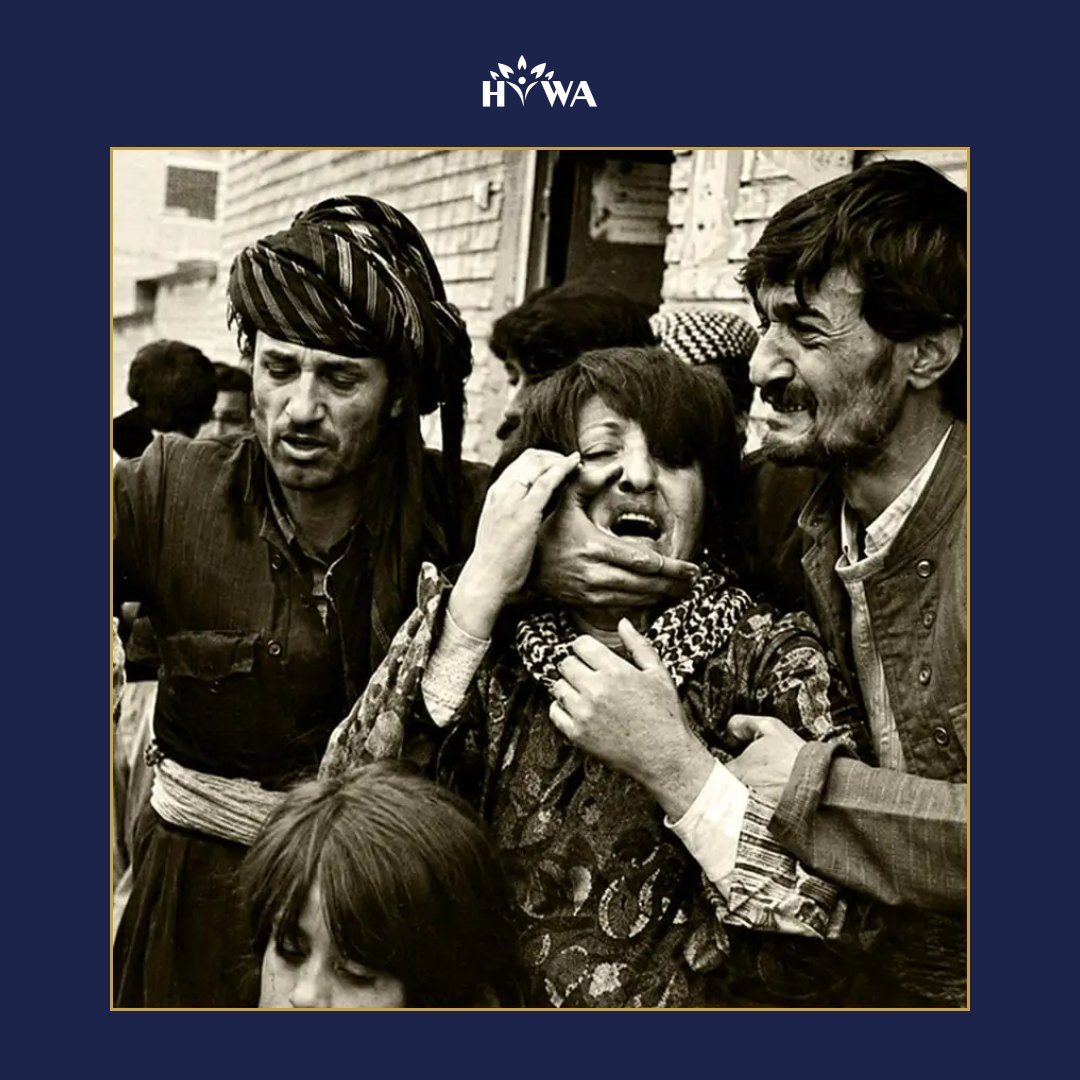

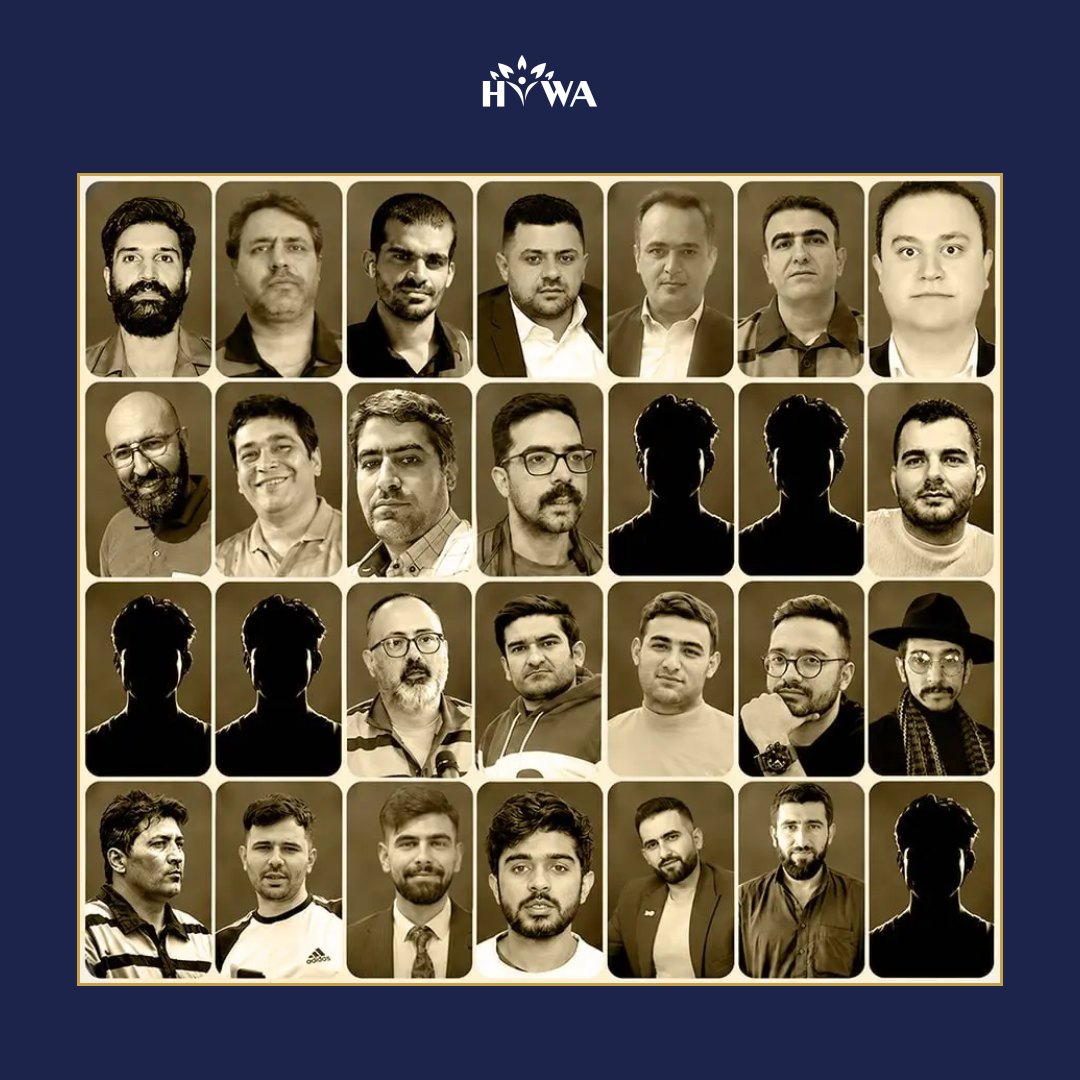
On September 2, 1979 (11 Shahrivar 1358), state-backed armed forces and local militias launched a retaliatory attack on the Kurdish village of Qarna near Naghadeh. Consequently, the Qarna massacre 1979 resulted in the summary execution of at least 45 unarmed Kurdish civilians, including women, children, and elderly residents.
Qarna was a small village of roughly 80 families caught in regional turmoil following the 1979 revolution. Specifically, days prior to the attack, 15 government-affiliated gendarmes were killed during a clash in Doab. Although Qarna residents played no role in that conflict, armed forces targeted the defenseless village in a deliberate act of collective punishment.
The Execution of Defenseless Civilians
Armed attackers swept through Qarna, executing civilians in their homes and alleys. Indeed, local cleric Mamosta Mahmoud Behtarzadeh approached the invaders holding a Quran to plead for mercy, yet soldiers killed him on the spot. Furthermore, while official government records documented 45 deaths, local accounts indicate that up to 68 villagers perished during the assault.
State Cover-Up and Total Impunity
Following the slaughter, militias moved victim corpses into surrounding fields to fabricate claims of an active combat engagement. However, an investigation by state representative Mehdi Bahaderan exposed the cover-up, identifying local commanders Azeem Ma’boudi and Major Najafi as key perpetrators. In addition, influential cleric Gholamreza Hasani was repeatedly linked to the militia operations, yet he faced zero legal accountability and later rose to high government office.
Decades of Denied Justice
Although top government officials acknowledged the massacre and promised prosecutions, no perpetrators were ever brought to trial. Ultimately, the Qarna massacre 1979 remains a stark example of early post-revolutionary impunity, leaving victims’ families without truth or justice for nearly five decades.


Hiwa documents cases like this one with your support.
Donate