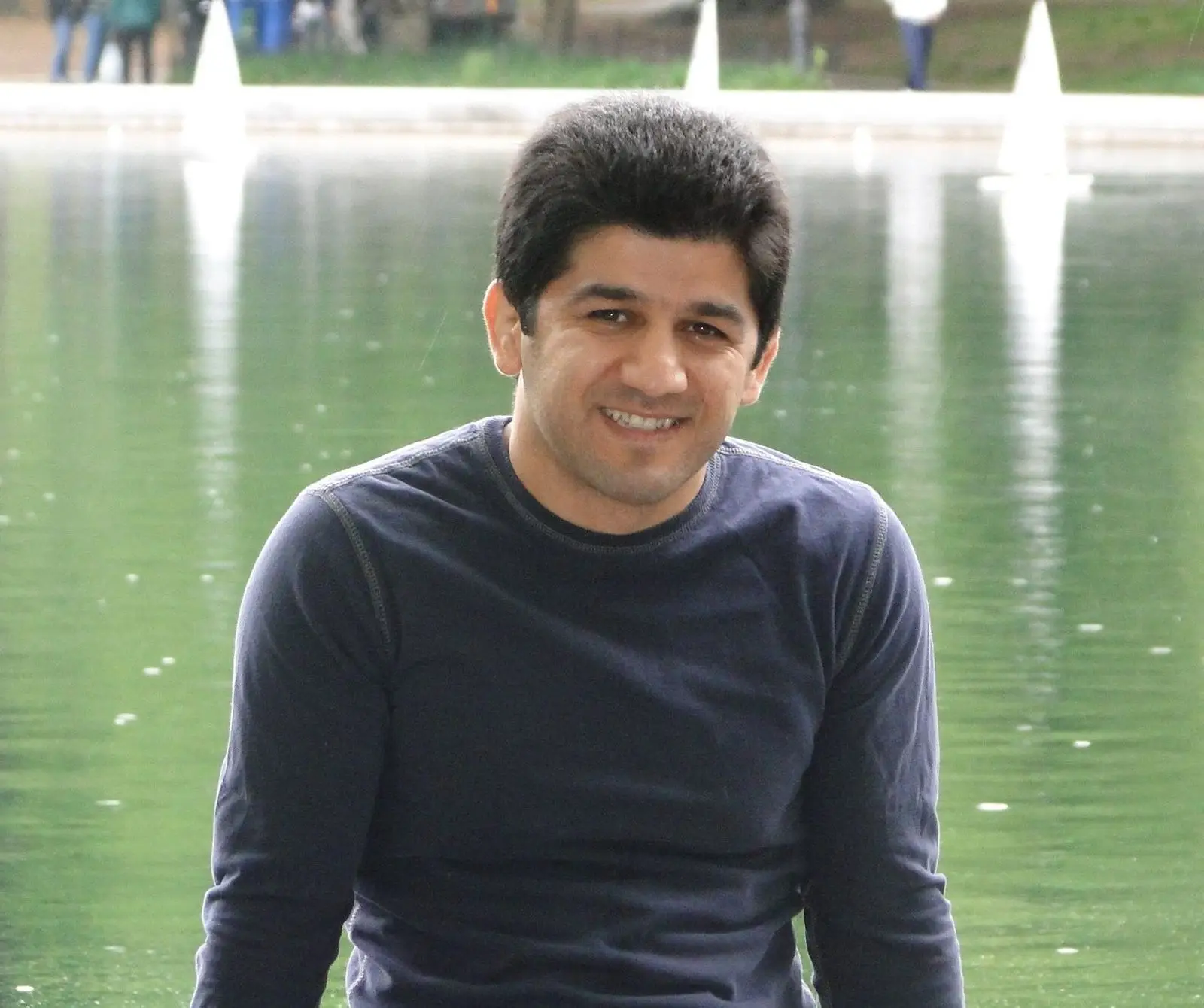

On Sunday dawn, August 16, 2026 (25 Mordad 1405), Iranian authorities executed protester Shahram Sadeghi in Karaj. Specifically, security forces arrested him following protests on January 8, 2026, accusing him of ramming a vehicle into security personnel at Golzar Intersection. Consequently, the Shahram Sadeghi execution Karaj highlights ongoing legal irregularities, severe due process violations, and secretive judicial proceedings.
Unproven Claims and the Golzar Intersection Incident The case stems from an evening protest where a vehicle struck Special Units officers, injuring seven personnel. Crucially, state media acknowledged that no fatalities occurred in the incident. However, the judiciary charged Sadeghi under anti-espionage statutes for “operational action in favor of Israel, the US, and hostile entities.” Despite these severe allegations, official reports provided no documents, communication logs, or financial ties linking Sadeghi to foreign governments.

Forced Confessions and Lack of Technical Proof
Sadeghi initially stated his vehicle was stolen prior to the incident. Although state prosecutors claimed no stolen vehicle report was filed, they provided zero forensic evidence, clear facial photos, or eyewitness identification placing Sadeghi behind the wheel. Instead, the prosecution relied almost entirely on confessions obtained during incommunicado detention. Furthermore, authorities kept interrogation conditions, court transcripts, and defense statements entirely hidden from the public.
Total Lack of Judicial Transparency
The names of the presiding Revolutionary Court judge and Supreme Court bench remain completely anonymous. In addition, state media failed to confirm whether Sadeghi had access to independent legal counsel during questioning or adequate time to prepare a defense. Ultimately, executing a prisoner on unproven espionage charges for a non-fatal incident severely violates international legal standards.