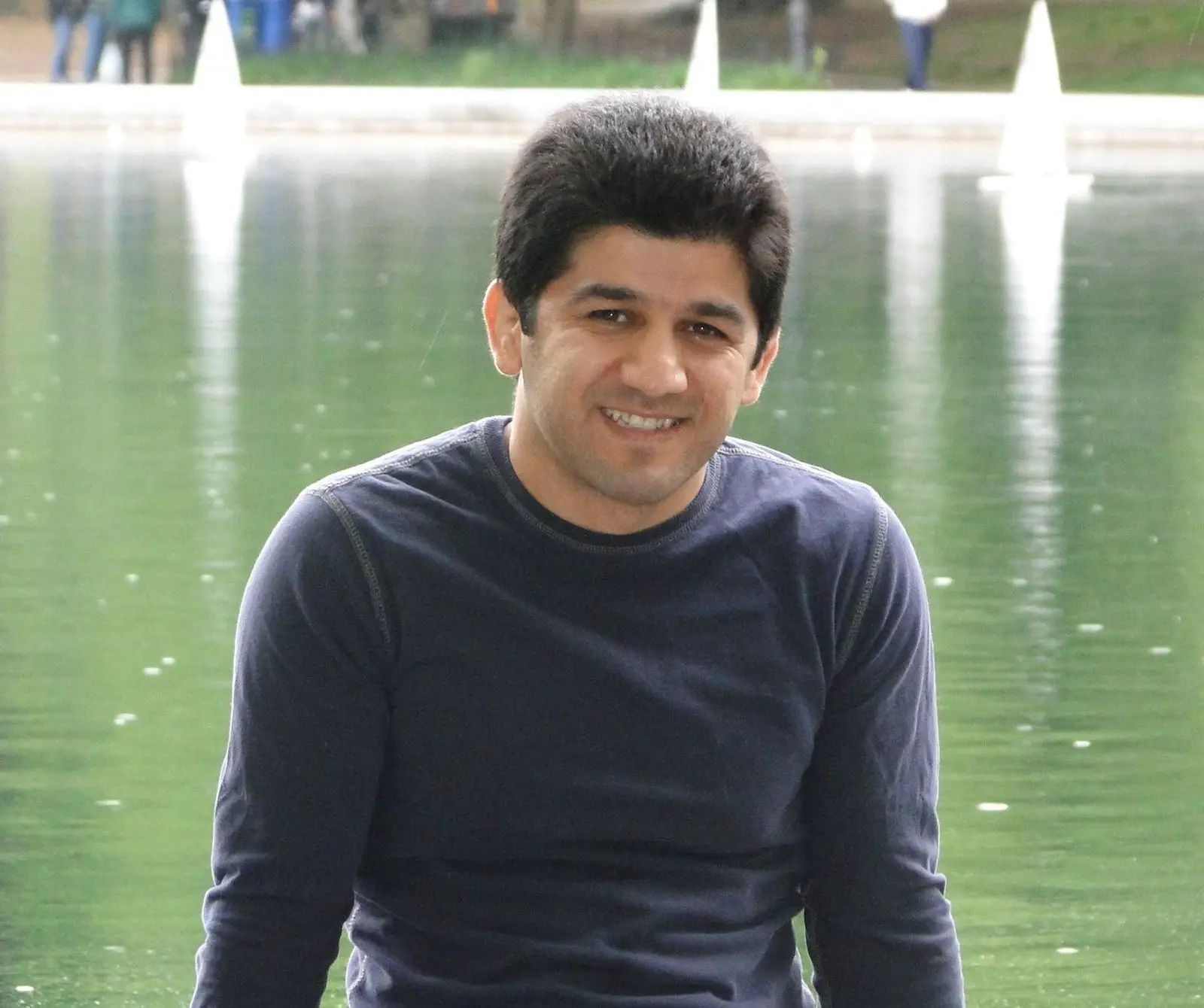
Gholamreza Khani Shekarab Another Athelete Executed on Espionage Charges


Execution of Gholamreza Khani Shekarab
Iranian authorities executed Gholamreza Khani Shekarab this morning.
The Supreme Court had upheld his death sentence.
He had been accused of “intelligence cooperation and espionage in favor of Israel.”
The Judiciary’s media center said a court had sentenced him to death for alleged cooperation with Mossad, Israel’s intelligence service.
The official report did not mention the location of his execution.
Judiciary claims about Mossad links
Iran’s Judiciary claimed that Gholamreza Khani Shekarab was one of the “operational network leaders of Mossad.”
According to the official narrative, he worked outside Iran to recruit people inside the country.
Authorities claimed that he involved them in anti-security activities.
The Judiciary also said his sports activities and repeated trips to neighboring countries helped him contact Mossad agents.
Based on this account, officials accused him of several missions.
These included recruitment, damaging property, sending images from specific locations, and involvement in sabotage activities.

Alleged mission in the region
In another part of the report, Mizan claimed that Khani Shekarab had received a mission in one regional country.
According to this claim, he had to identify and prepare the groundwork for the assassination of a Jewish rabbi.
Mizan said authorities arrested him before he carried out any operational act.
It also claimed that they later released him.

Arrest through an intelligence operation
One important part of the Judiciary’s official narrative concerns the way authorities arrested him.
Mizan wrote that Iranian security forces eventually directed Gholamreza Khani Shokrab back into Iran.
It described this as an “intelligence deception tactic.”
The Islamic Revolutionary Guard Corps intelligence forces then arrested him.
This detail shows that even the government’s own account does not describe an ordinary arrest.
Instead, it describes a directed security operation.
Lack of independent details
Despite these allegations, authorities have not released independent details about the case.
The exact date of his arrest remains unclear.
Officials have not disclosed where they held him.
They have not explained how interrogators questioned him.
They have also not named the branch that handled the case.
It remains unclear whether he had access to an independent lawyer.
The case documents also remain unavailable to the public.
It is still unclear how authorities obtained the confessions attributed to him.
It is also unclear whether the proceedings met fair trial standards.

Rise in political and security-related executions
The execution of Gholamreza Khani Shekarab comes amid a growing security atmosphere in Iran.
In recent months, Iran has intensified the use of the death penalty in political and security-related cases.
According to human rights data, Iran has executed at least 37 prisoners on political and security-related charges since the beginning of the recent military conflict.
Ongoing concerns over security cases
The case of Gholamreza Khani Shekarab has again raised serious concerns about security-related cases in Iran.
These concerns include the lack of transparency and reliance on narratives from security institutions.
They also include the possible use of forced confessions.
The execution of prisoners in unclear and unverified cases remains another serious concern.
Hiwa documents cases like this one with your support.
Donate