At least seven Kurdish border couriers and cross-border traders were shot by Islamic Republic border and military forces during the first months of the Iranian year 1405 (March–July 2026). Four were killed and three others were wounded in separate incidents across the Kurdistan border region, according to documented reports.
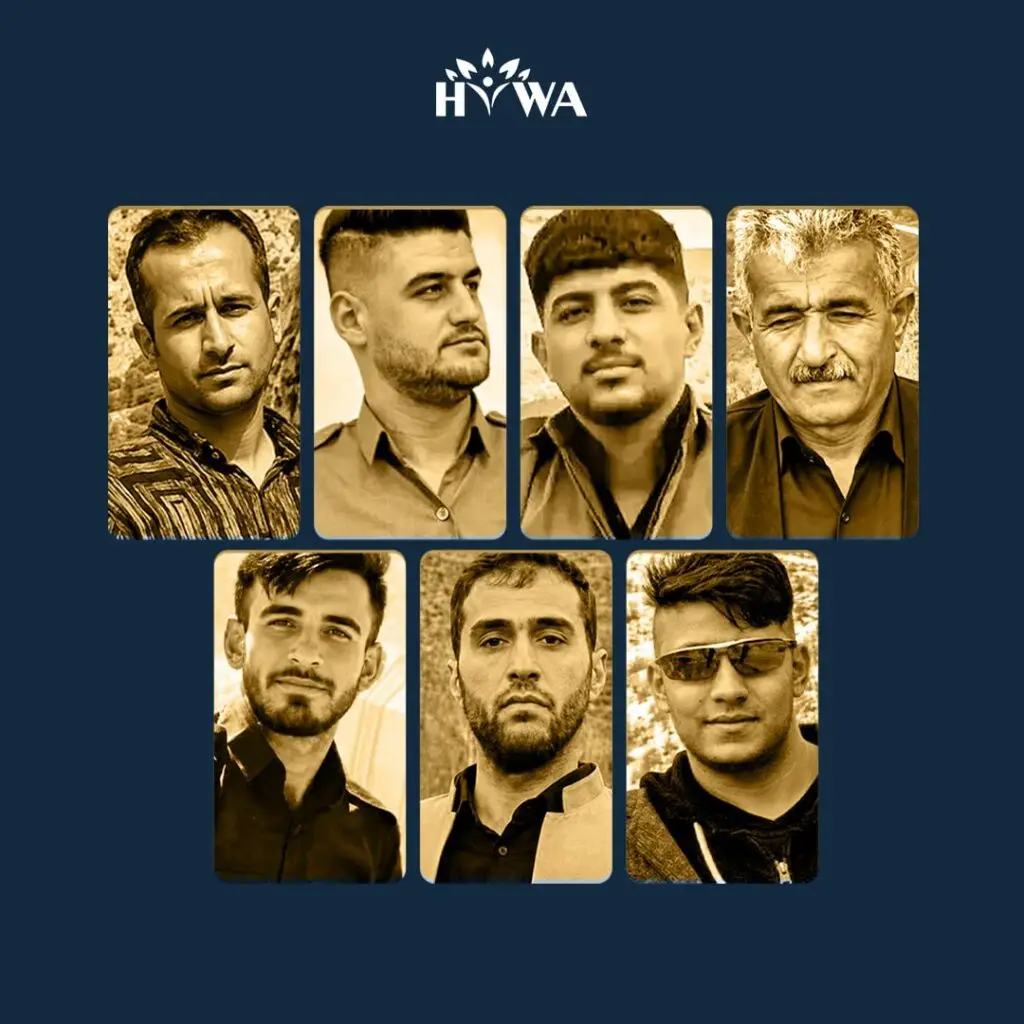
The seven victims have been identified as Sirwan Khoshnamak, Vazir Rahimi, Mohammad Mohammadi (known as “Qazi Kavani”), Motaleb Kheybari, Naseh Khodaei, Ako Salehi, and Mohammad Naderi.
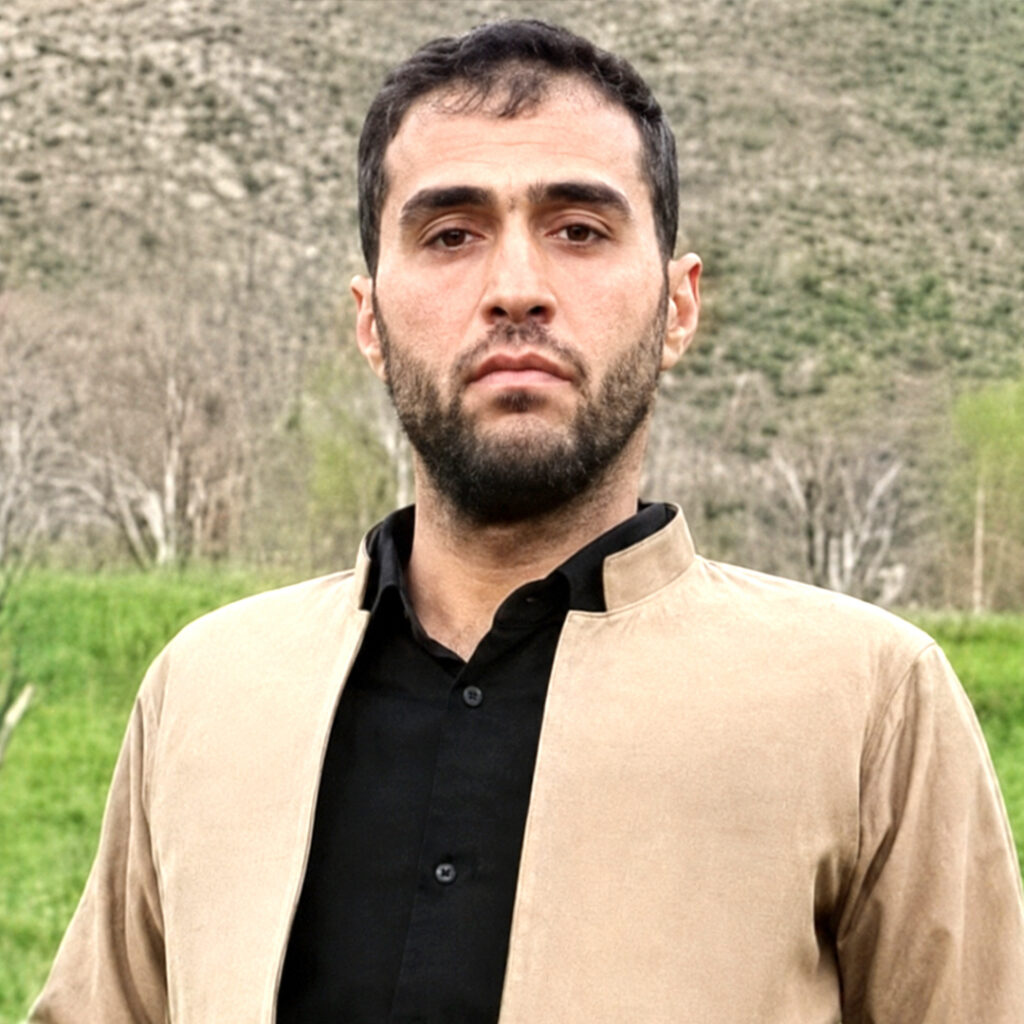
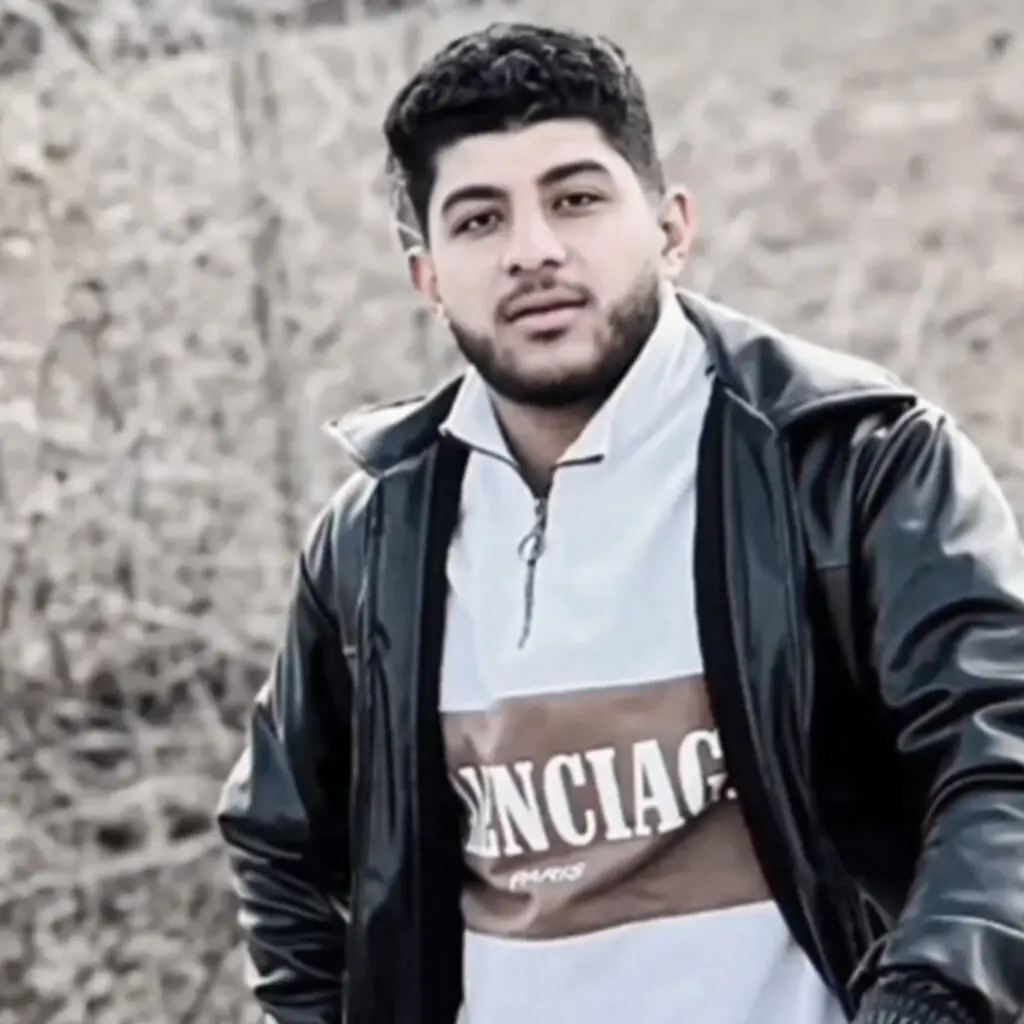
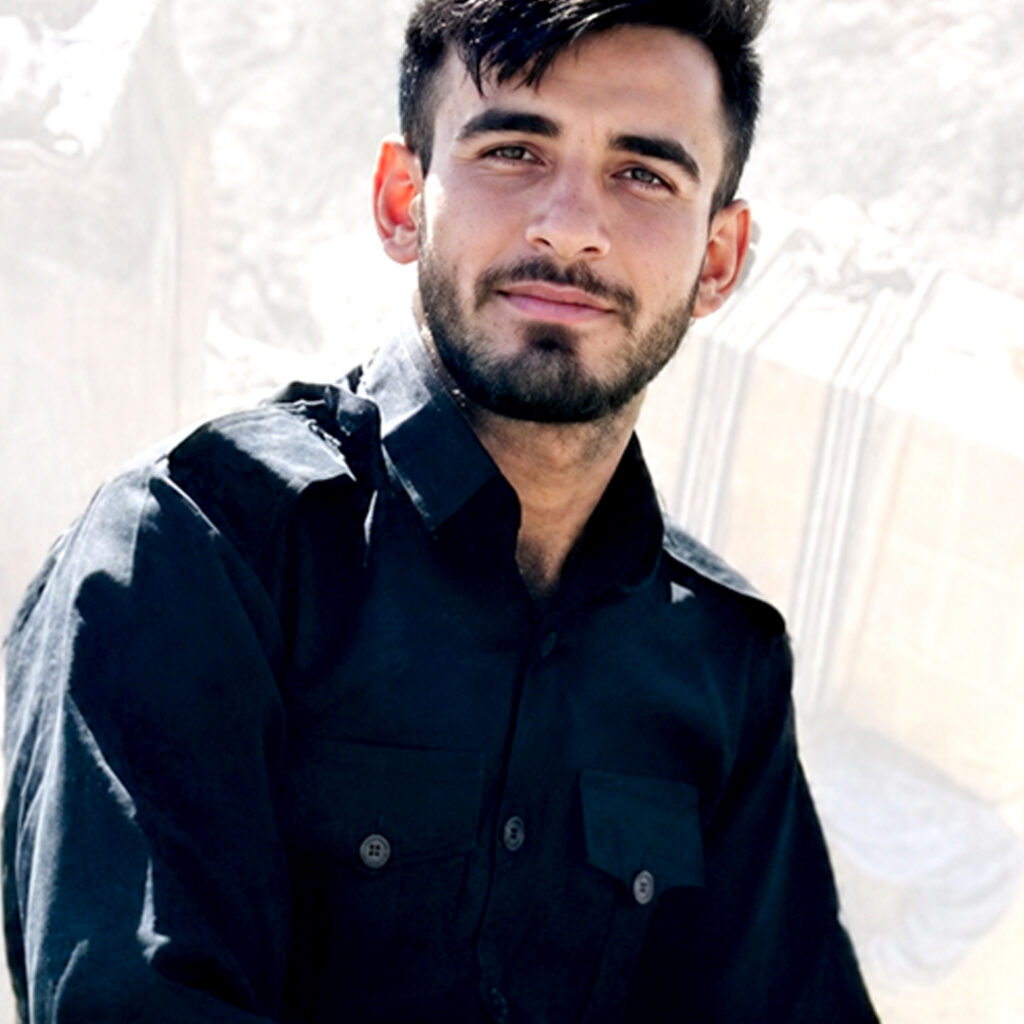
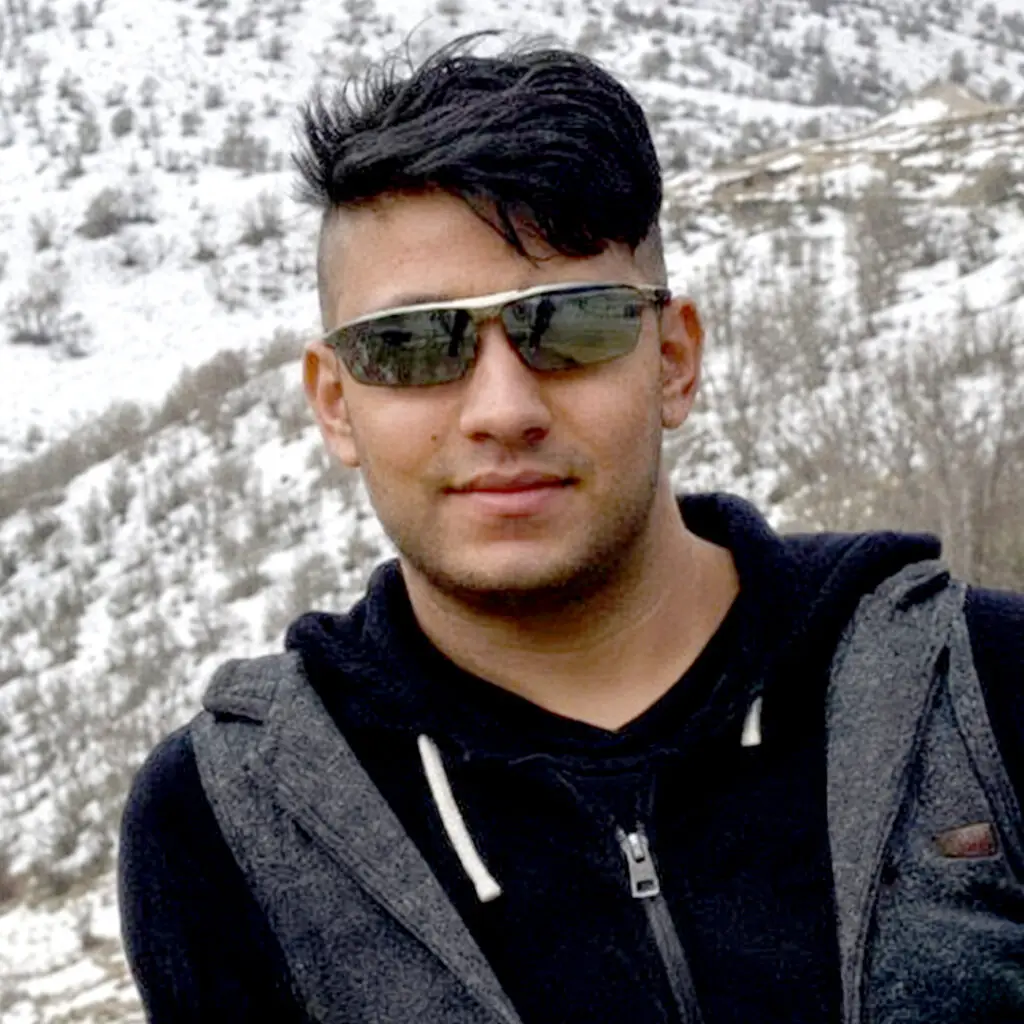
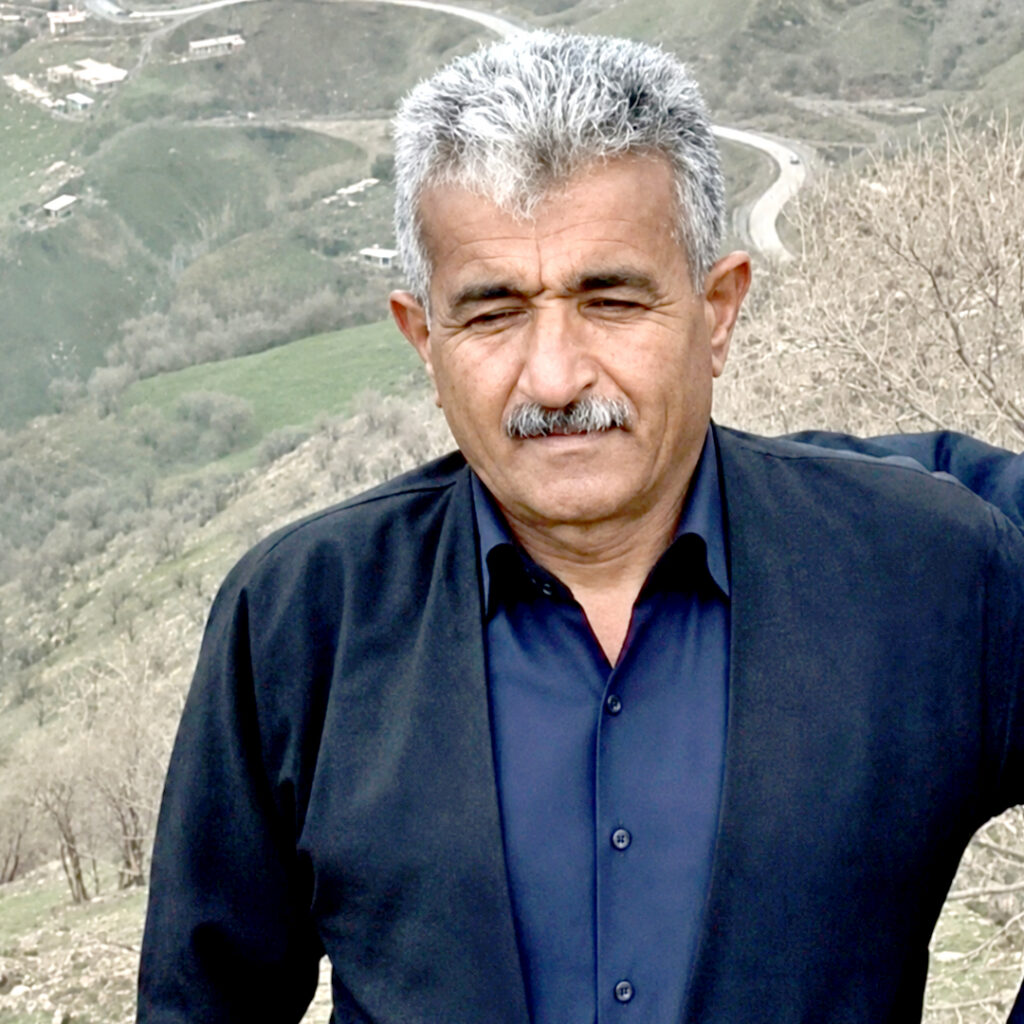
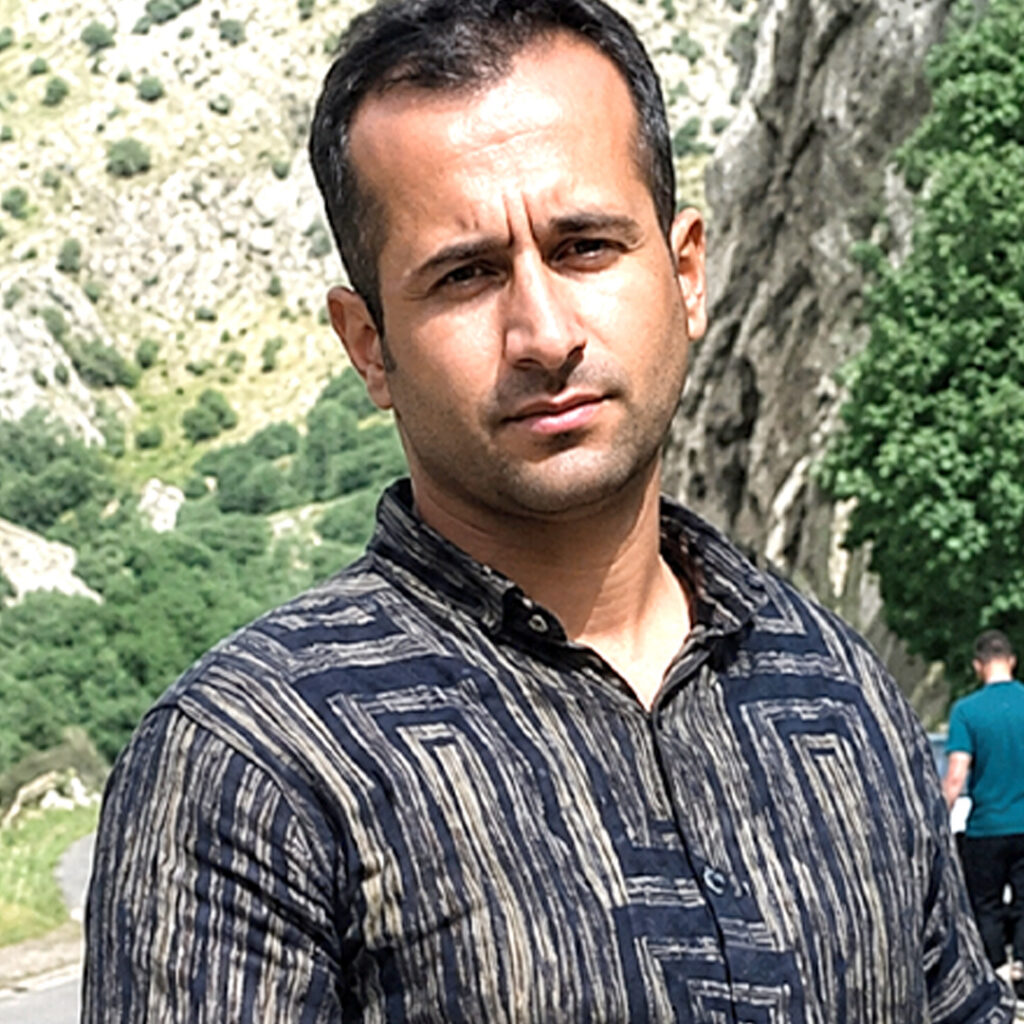
Although the incidents occurred in different locations and on different dates, they share a common feature: all involved the use of live ammunition by IRGC forces against Kurdish civilians engaged in cross-border trade or kolbari—the dangerous practice of carrying goods across mountainous border areas to earn a living.
Four Killed in Less Than Two Months
The first fatality was Mohammad Mohammadi, known locally as Qazi Kavani, a cross-border trader from Doleh-To village near Sardasht. He was shot in the head by Iranian border forces in the Jasusan border area and died several days later, on 23 May 2026, after being hospitalized.
Nearly three weeks later, on 11 June 2026, Motaleb Kheybari, a 38-year-old cross-border trader from Baneh, was fatally shot near the Choman border. He was married and the father of two children. Reports indicate that he was not carrying any goods at the time he was shot.
On 3 July 2026, Vazir Rahimi, a 57-year-old Kurdish border courier from the Shaho region who lived in Nosud, was killed after Iranian border guards opened fire on him in the Shoshmi border area. According to available reports, the shooting occurred at close range. Rahimi was married and the father of five children and had relied on kolbari for many years to support his family.
Only three days later, on 6 July 2026, 18-year-old Sirwan Khoshnamak from Marivan was shot and killed while working as a border courier in the mountainous border region. His death, coming just days after Rahimi’s killing, renewed concerns over the continued use of lethal force against Kurdish border couriers.
Three Others Wounded by Live Fire
During the same period, three additional Kurdish border couriers were wounded in separate shootings by Iranian border and military forces.
On 11 June 2026, Naseh Khodaei, a 29-year-old border courier from Baneh, was shot in the leg near the Surkiu border crossing. Reports state that border forces opened fire without prior warning. He was transferred to hospital for treatment. Khodaei is married and has one child.
On 16 June 2026, Ako Salehi, from Khuryava village near Baneh, was seriously wounded in the hand after Iranian border guards opened fire in the Siranband border area. He was later transferred to Tabriz for further medical treatment.
One day later, on 17 June 2026, Mohammad Naderi, a border courier from Serdoush village near Marivan, was shot in the leg by members of the Islamic Revolutionary Guard Corps (IRGC) in the Dolehbi border area.
More Than Border Incidents
These seven cases cannot be dismissed as ordinary accidents associated with hazardous border routes.
None of the casualties resulted from falls, freezing temperatures, landmines, or natural hazards—risks that frequently threaten Kurdish border couriers. Instead, every case involved direct gunfire by Iranian border or military forces.
Among the victims, Mohammad Mohammadi and Matlab Kheybari were cross-border traders, while the remaining five were working as kolbars (border couriers).
For many residents of Iran’s Kurdish border regions, kolbari is not a voluntary occupation but a means of survival driven by chronic poverty, unemployment, and the lack of sustainable economic opportunities. The use of armed force against people engaged in this work raises serious concerns regarding the right to life, personal security, and the state’s obligations when using force.
International Human Rights Standards
Under international human rights law, law enforcement officials may use firearms only under strictly limited circumstances. Intentional lethal force is permitted only when it is absolutely unavoidable to protect life from an imminent and serious threat.
Article 6 of the International Covenant on Civil and Political Rights (ICCPR) recognizes every person’s inherent right to life and prohibits arbitrary deprivation of life.
Where individuals do not pose an imminent threat to the lives of officers or others, the use of firearms—particularly lethal force—may constitute a serious violation of the right to life and the principles of necessity and proportionality.
Reports describing shootings without prior warning, the use of firearms at close range, and attacks on individuals engaged in cross-border trade underscore the urgent need for independent, impartial, and transparent investigations.
Authorities are obligated to investigate every death or injury resulting from the use of firearms by state agents, hold those responsible for unlawful use of force accountable, and ensure that victims and their families have access to truth, justice, and effective remedies.
The names Sirwan Khoshnamak, Vazir Rahimi, Mohammad Mohammadi, Matlab Kheybari, Naseh Khodaei, Ako Salehi, and Mohammad Naderi represent seven documented victims during the first months of 2026 alone. Four lost their lives, while three survived with gunshot wounds. The continuation of such incidents, in the absence of transparent investigations and meaningful accountability, raises serious concerns about the safety of Kurdish border couriers and cross-border traders and the ongoing violations of their fundamental rights.