Alireza Sepahi and Alireza Raeisi Executed in Isfahan Over January Protests
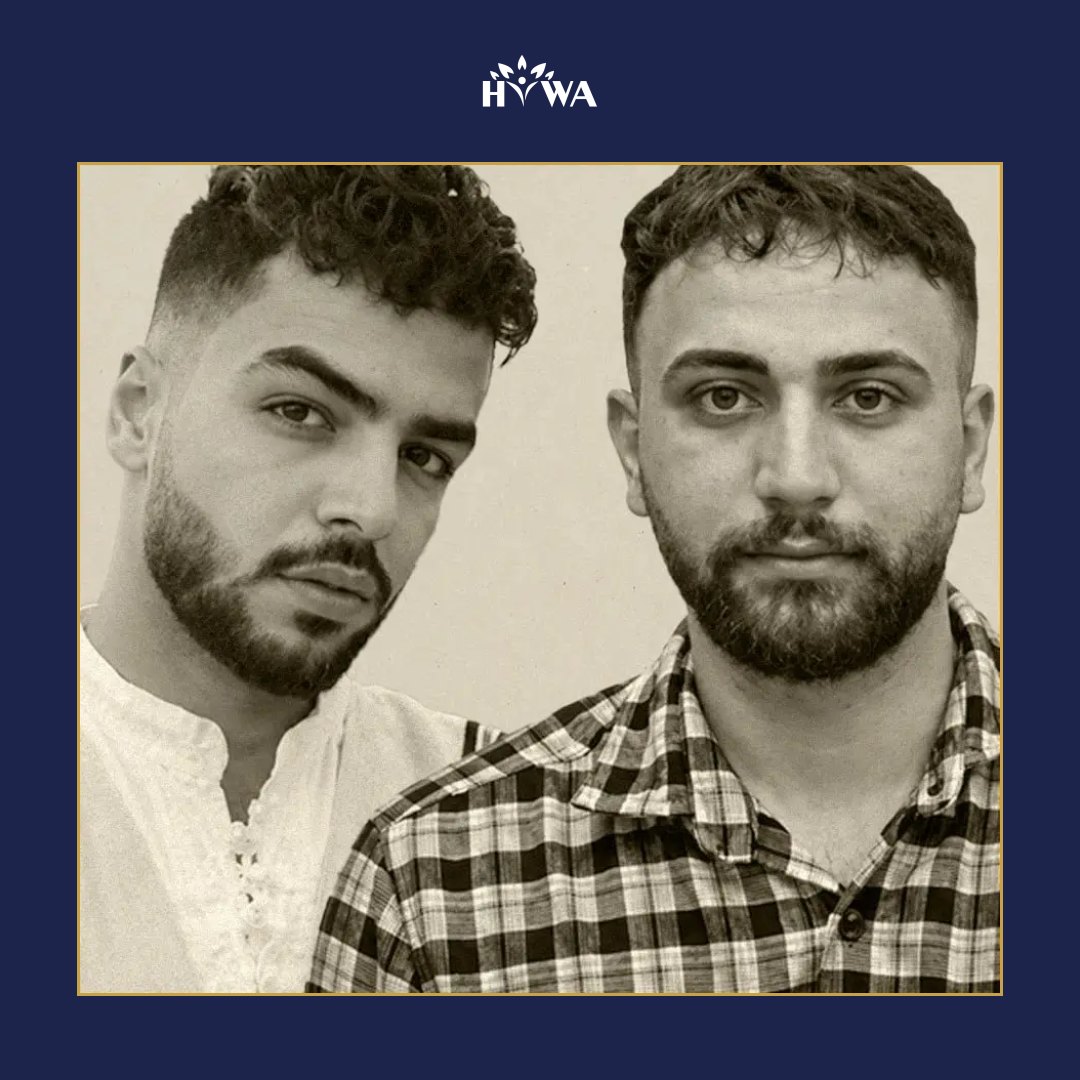

On October 5, 2026 (13 Mehr 1405), Iranian authorities executed Alireza Sepahi and Alireza Raeisi in Dastgerd Prison, Isfahan. Specifically, both young men were detained during the January 2026 nationwide protests and sentenced to death in the high-profile “Alikhani Square” case.
Alireza Sepahi: Married Behind Bars Hours Before Execution
Alireza Sepahi, born in 2001, was arrested on January 10, 2026. Consequently, the Revolutionary Court issued four death sentences against him despite major evidentiary gaps. Furthermore, his family presented video footage showing Sepahi was not present at Alikhani Square during the clashes cited by prosecutors.
Authorities previously scheduled Sepahi’s execution alongside his cousin Abolfazl Sepahi and co-defendant Amirhossein Safari, both of whom were executed earlier. Crucially, just hours before his hanging, Sepahi married his imprisoned fiancée, Mahshad Keshani, via telephone. Keshani is currently serving a five-year prison sentence for protest activity. Indeed, prison authorities denied their request for a final in-person meeting before his execution.

Alireza Raeisi: Arrested Following Cousin’s Funeral
Alireza Raeisi, born in 2004, faced a tragic sequence of events prior to his execution. Specifically, his cousin Ramin Raeisi disappeared during protests, and his family located his body nine days later. Consequently, security forces arrested 21-year-old Alireza just one day after attending Ramin’s funeral outside Bagh-e Rezwan cemetery.
Court officials charged Raeisi with Moharebeh (enmity against God). Furthermore, an appellate court initially reduced his death sentence to 20 years in prison. However, judiciary officials reinstated the death penalty months later, which the Supreme Court subsequently confirmed.

Systematic Violations in the Alikhani Square Case
The “Alikhani Square” case was opened following January 8, 2026 protests in Isfahan, during which four security personnel were killed. Crucially, human rights organizations documented severe due process violations throughout the judicial proceedings, including closed-door trials, forced confessions under torture, and restricted access to independent defense lawyers. Ultimately, the executions of Sepahi and Raeisi highlight Iran’s continued reliance on capital punishment to crush public dissent.
Hiwa documents cases like this one with your support.
Donate