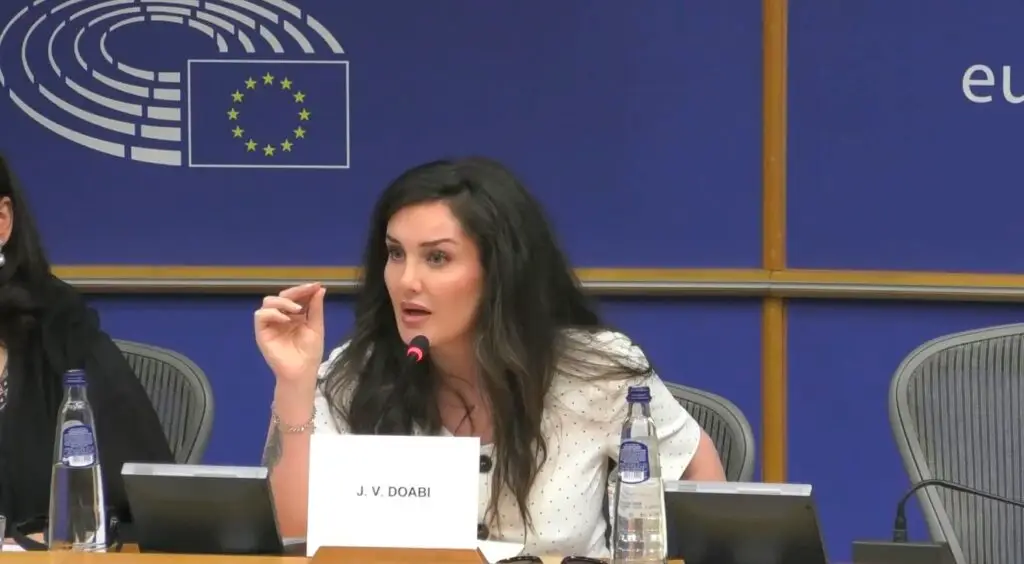
BRUSSELS — Jino Victoria Doabi spoke at a European Parliament hearing today. As Director of International Relations at Hiwa, she called for urgent action to help Kurdish women in Rojhalat (Eastern Kurdistan, Iran). Specifically, she highlighted their struggle against gender apartheid, political oppression, and ethnic discrimination.
In addition, Doabi stressed that their struggle goes beyond gender violence. Instead, it combines state-backed gender apartheid with the criminalization of Kurdish identity.
”A Kurdish woman is never just a woman. She carries many identities at once,” Doabi stated. “She belongs to a people whose language has been banned, whose identity has been denied, and whose existence has been criminalized.”
Systemic Suppression from Birth to Adulthood
The address outlined how institutionalized oppression under the Islamic Republic of Iran targets Kurdish females from birth. For instance, the state forbids basic Kurdish identity by banning Kurdish names for newborns. Additionally, schools deny girls education in their mother tongue. Deep barriers also restrict their access to higher education and jobs. Overall, these policies attempt to force national, cultural, and political assimilation. However, after over 100 years, these forced policies have completely failed. Consequently, Kurdish women continue to champion their right to self-determination.
Furthermore, Doabi emphasized that these discriminatory laws and patriarchal state structures enable severe human rights violations, including child marriage, forced marriage, and femicide.
Defiance and Activism Under State Pressure
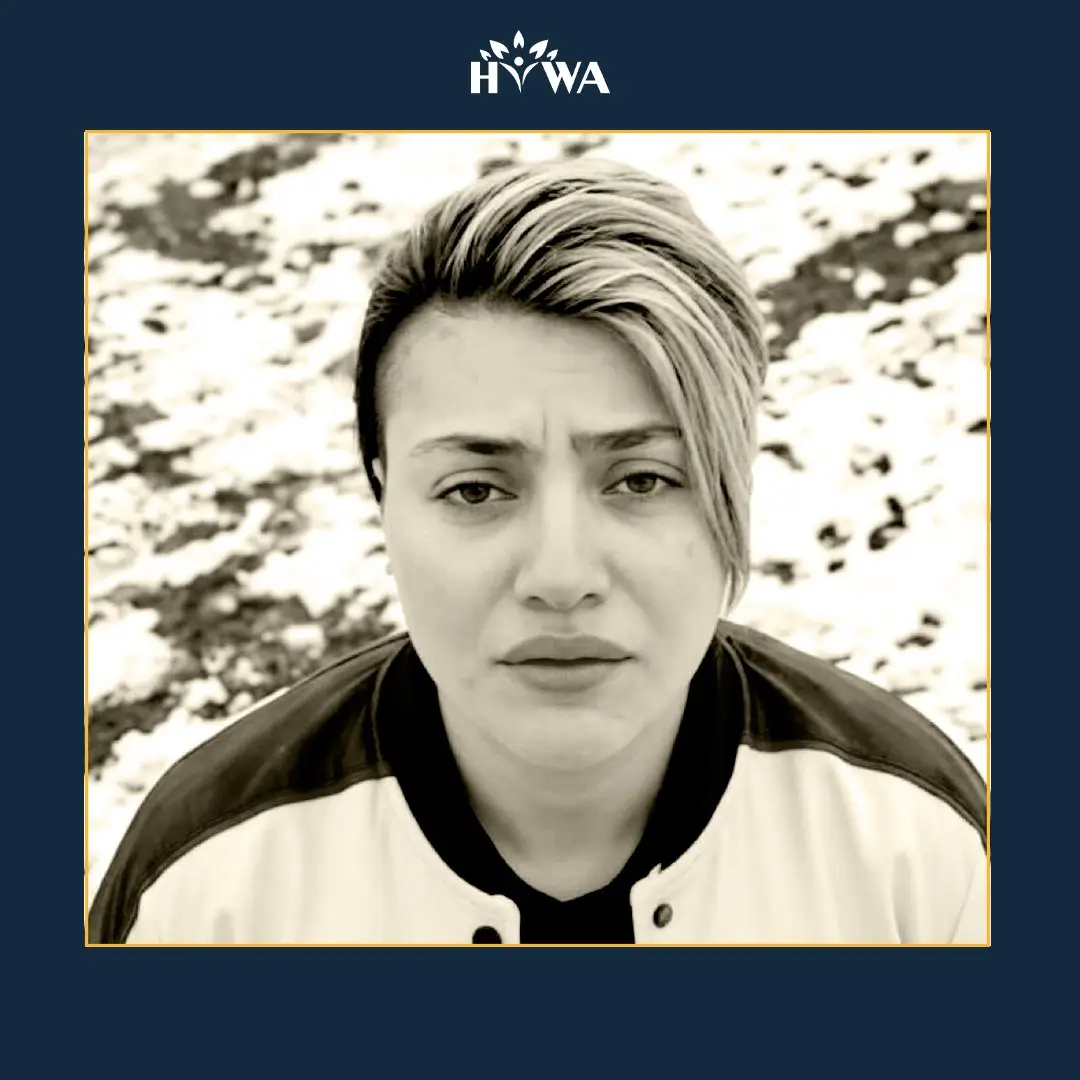
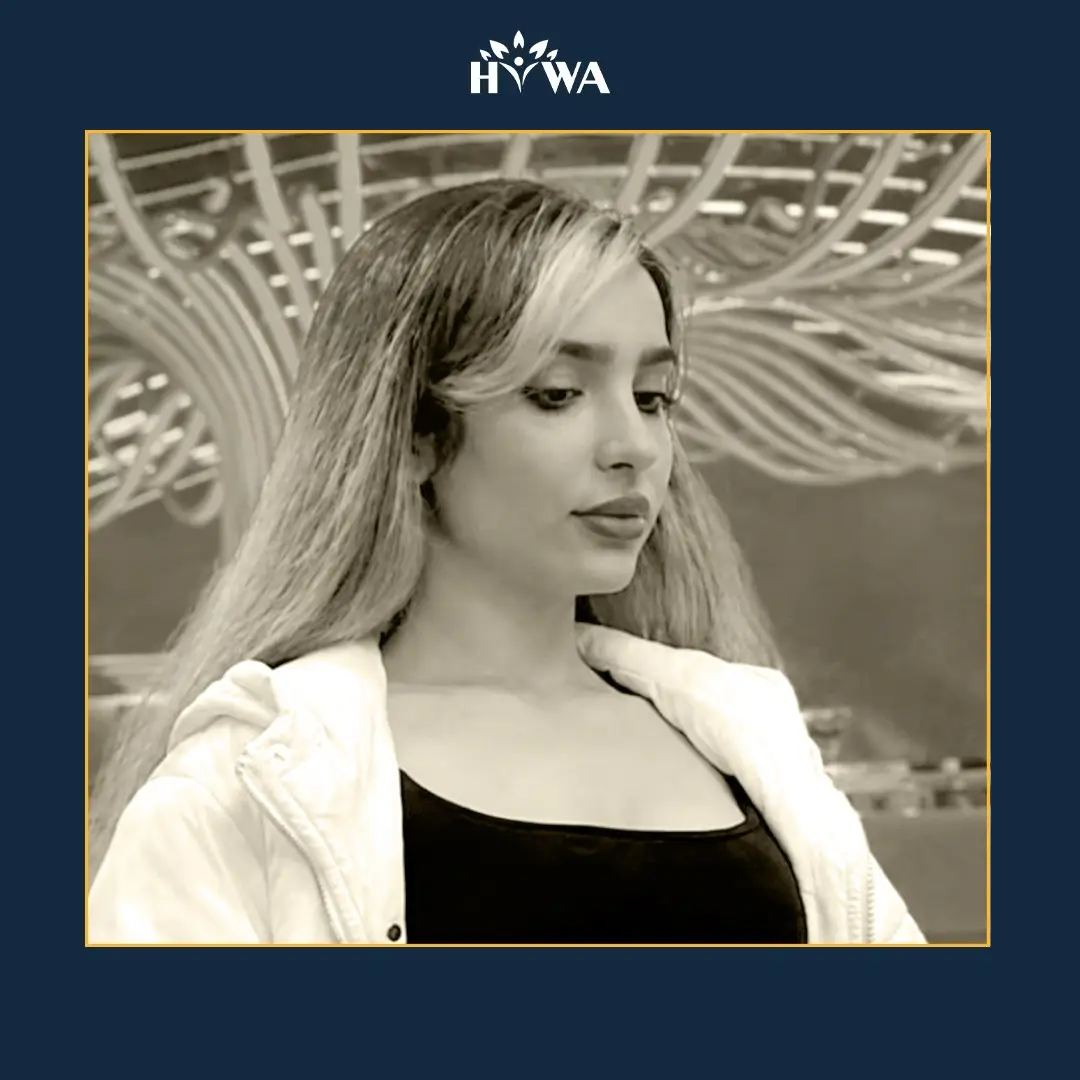
Despite severe risk, Kurdish women continue to resist state oppression. Doabi cited the cases of targeted Kurdish activists Jina Modarres Gorji (Sanandaj), Mahsa Zarei (Kermanshah), and Leila Pashaei, who remain under intense pressure from the Iranian regime for defending women’s and Kurds rights and refusing to renounce their identity.
Closing the address, Doabi urged European Parliament members to recognize these intercmahonnected layers of oppression and hold perpetrators accountable, reaffirming Hiwa’s commitment to advocating for the rights, dignity, and self-determination of Kurdish women globally.
Watch the full video recording of the hearing at the European Parliament Webstreaming Portal.