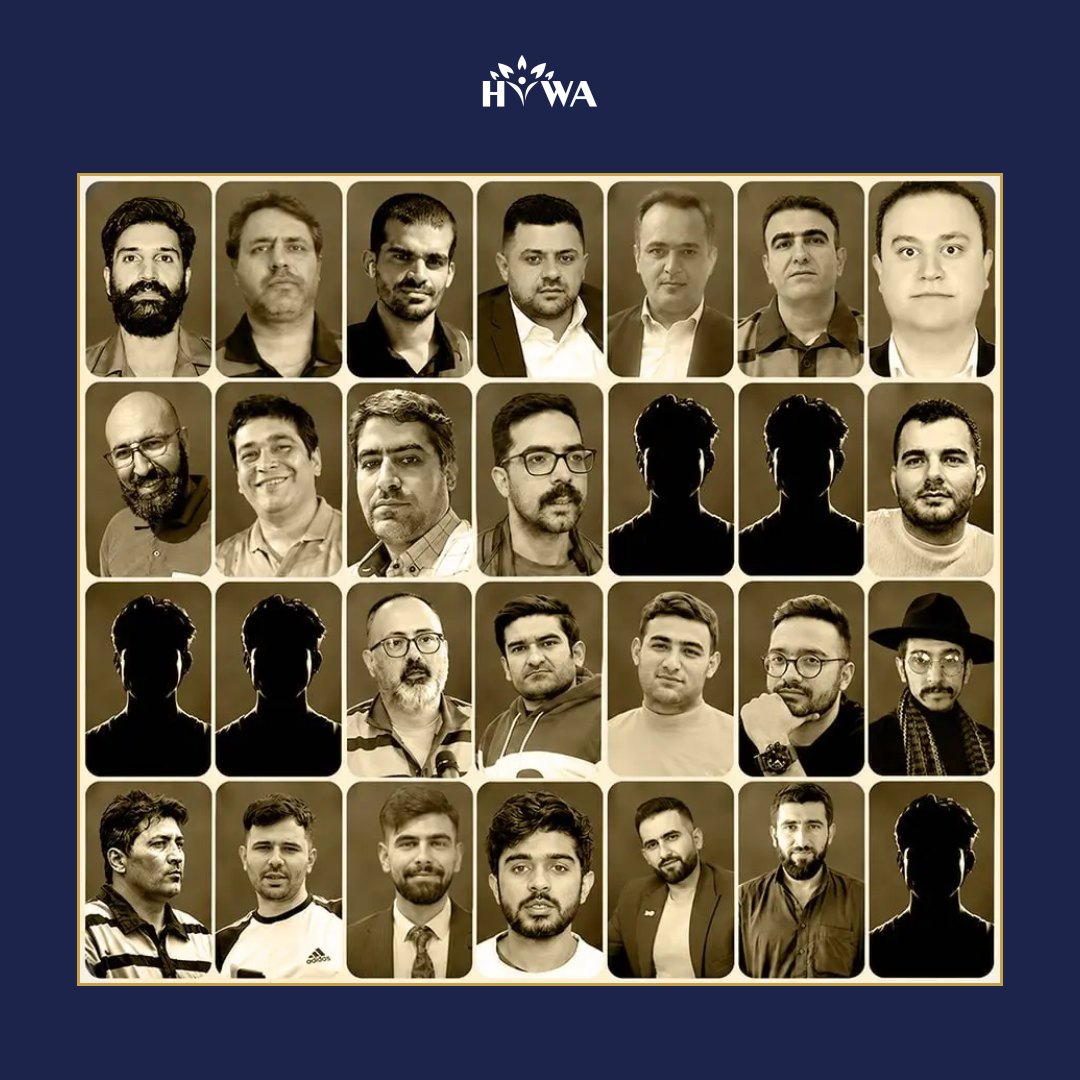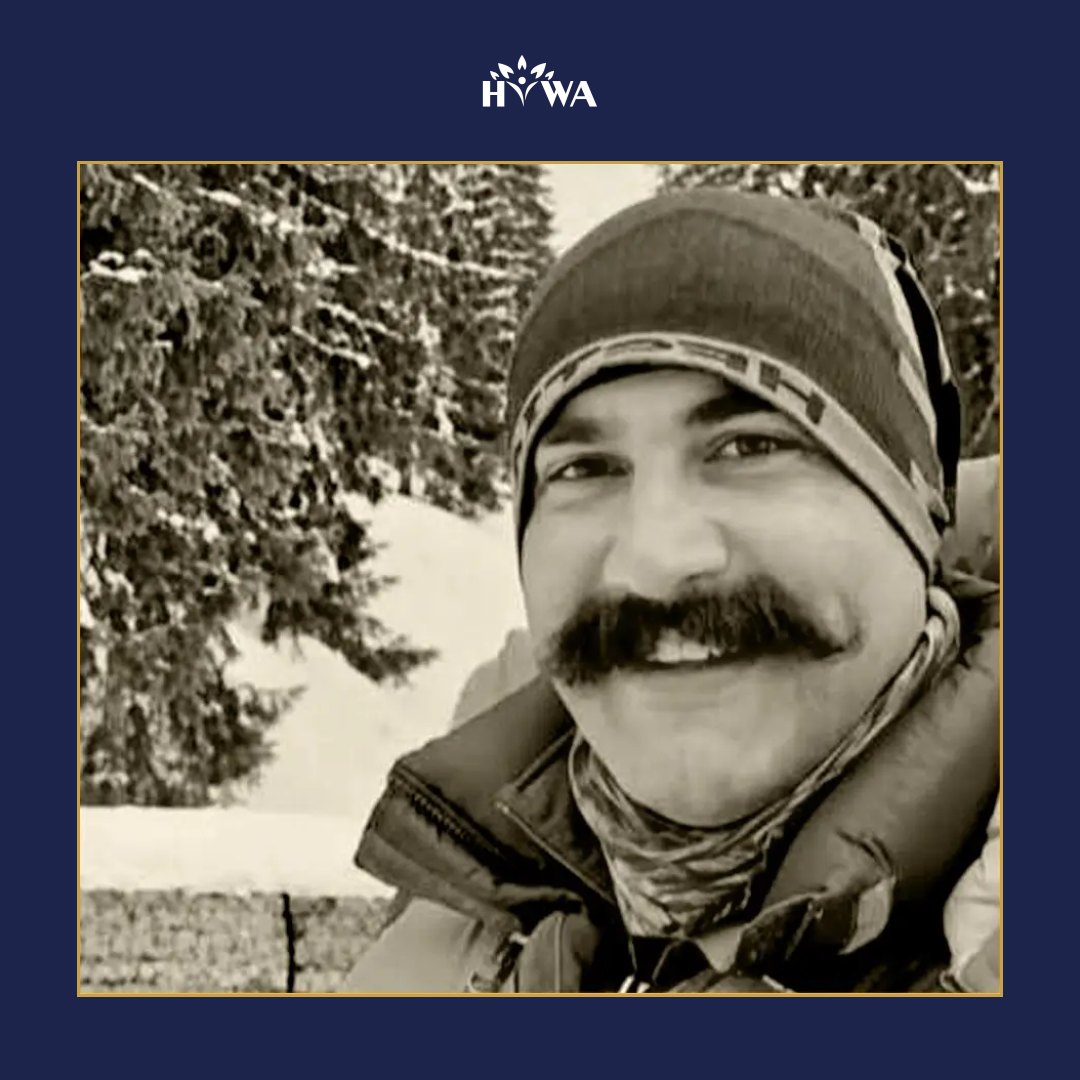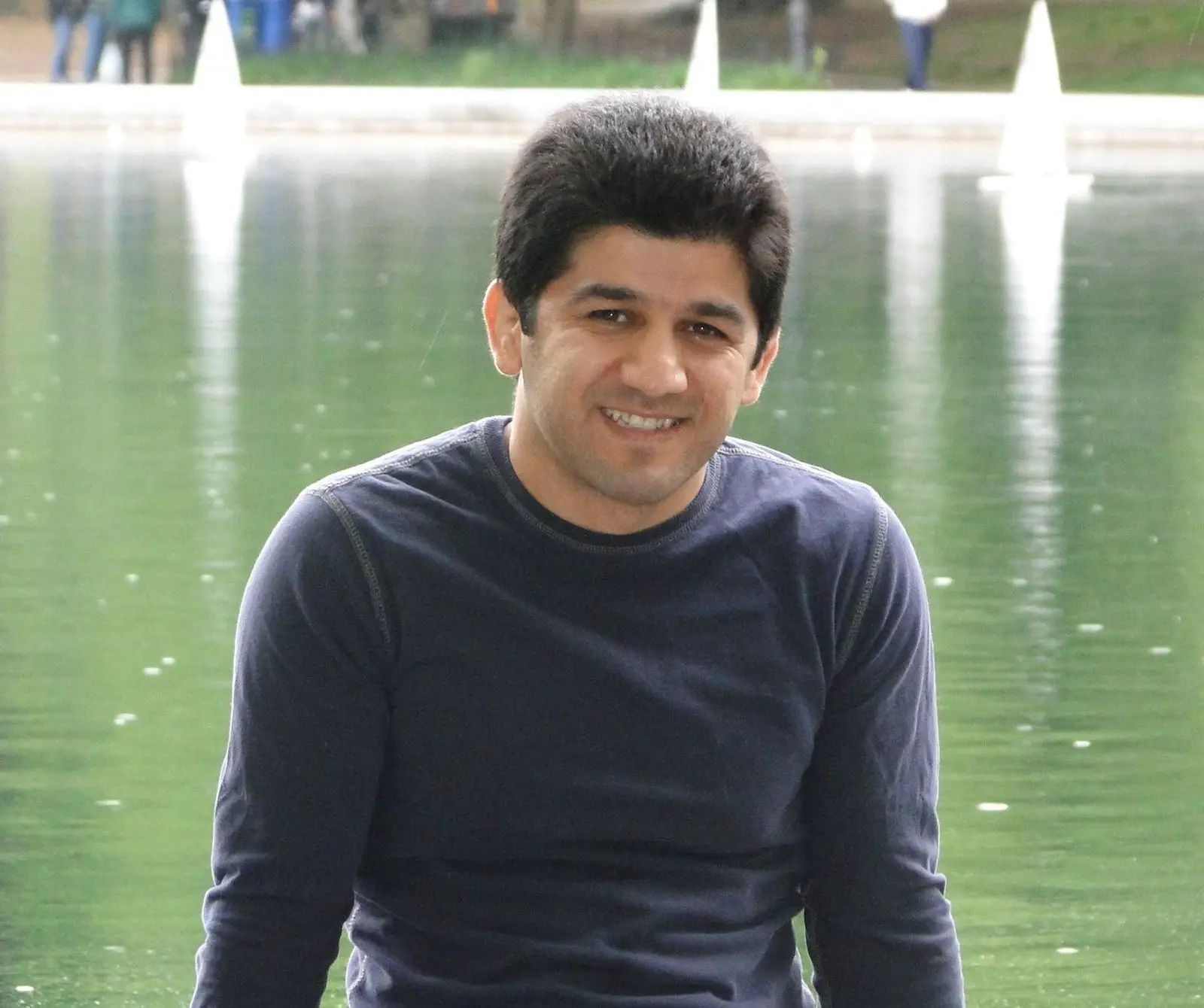
Eight Years After Execution, the Burials of Ramin Hossein Panahi, Zaniar Moradi, and Loghman Moradi Remain Hidden
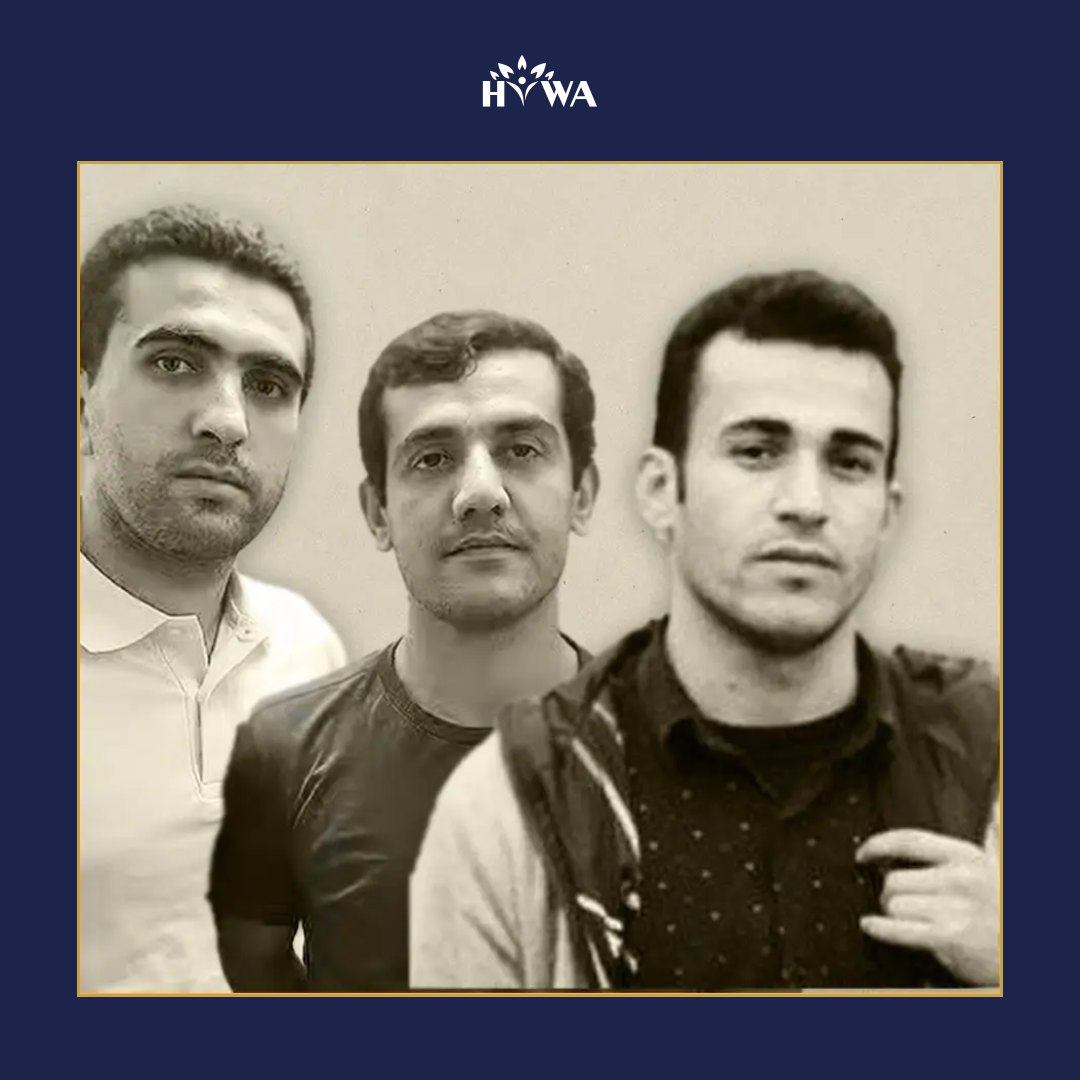

September 8, 2026 (17 Shahrivar 1405), marks the eighth anniversary of the executions of Ramin Hossein Panahi, Zaniar Moradi, and Loghman Moradi. Specifically, Iranian authorities hanged the three Kurdish political prisoners at Rajai Shahr Prison in Karaj on September 8, 2018. Consequently, the Ramin Hossein Panahi Zaniar Loghman Moradi execution case remains a stark example of secret executions and ongoing enforced disappearances, as authorities still refuse to reveal where their bodies are buried.
Ramin Hossein Panahi: From Wounded Arrest to Death Sentence
Security forces shot and arrested 24-year-old Ramin Hossein Panahi, a native of Qru Chay near Dehgolan, in June 2017 near Sanandaj. Crucially, the judiciary sentenced him to death on charges of Baghi (armed rebellion) due to his membership in Komala.
Hossein Panahi’s defense attorney emphasized that he had not fired a weapon during his arrest. Furthermore, Hossein Panahi suffered months of solitary confinement and severe torture. During his trial, he showed his physical injuries to the presiding judge and requested a medical forensic review, which the court ignored. In response, he sewed his lips together and initiated a hunger strike in protest; authorities executed him less than two weeks later. You can read more about political trials on our Political Prisoners archive page.


Zaniar and Loghman Moradi: Nine Years on Death Row Under Torture
Cousins Zaniar and Loghman Moradi from Marivan were arrested in August 2009. Specifically, authorities accused them of Moharebeh (enmity against God) and involvement in the assassination of three individuals, including the son of Marivan’s Friday Prayer Leader—charges both men consistently denied.
Both cousins stated that their confessions were extracted under months of physical torture. In addition, their defense lawyer, Saleh Nikbakht, noted that the judicial proceedings regarding the murder charge contained major legal flaws and were not finalized prior to the hanging. Just 52 days before their execution, Iqbal Moradi—Zaniar’s father, Loghman’s uncle, and an active political campaigner—was assassinated in Iraqi Kurdistan by unknown assailants, a killing Zaniar described as directly linked to his case.


Cousins Zaniar and Loghman Moradi from Marivan were arrested in August 2009. Specifically, authorities accused them of Moharebeh (enmity against God) and involvement in the assassination of three individuals, including the son of Marivan’s Friday Prayer Leader—charges both men consistently denied.
Both cousins stated that their confessions were extracted under months of physical torture. In addition, their defense lawyer, Saleh Nikbakht, noted that the judicial proceedings regarding the murder charge contained major legal flaws and were not finalized prior to the hanging. Just 52 days before their execution, Iqbal Moradi—Zaniar’s father, Loghman’s uncle, and an active political campaigner—was assassinated in Iraqi Kurdistan by unknown assailants, a killing Zaniar described as directly linked to his case.
Eight Years of Denied Truth and Continuous Suffering
Following the executions, authorities refused to release the bodies to the families. Although relatives briefly viewed the bodies at Behesht-e Zahra cemetery in Tehran, security agents quickly transferred the corpses to an undisclosed location.
Eight years later, the families remain completely deprived of a grave site for grieving. Ultimately, withholding burial locations constitutes an ongoing act of enforced disappearance and psychological torture under international human rights law.

Hiwa documents cases like this one with your support.
Donate