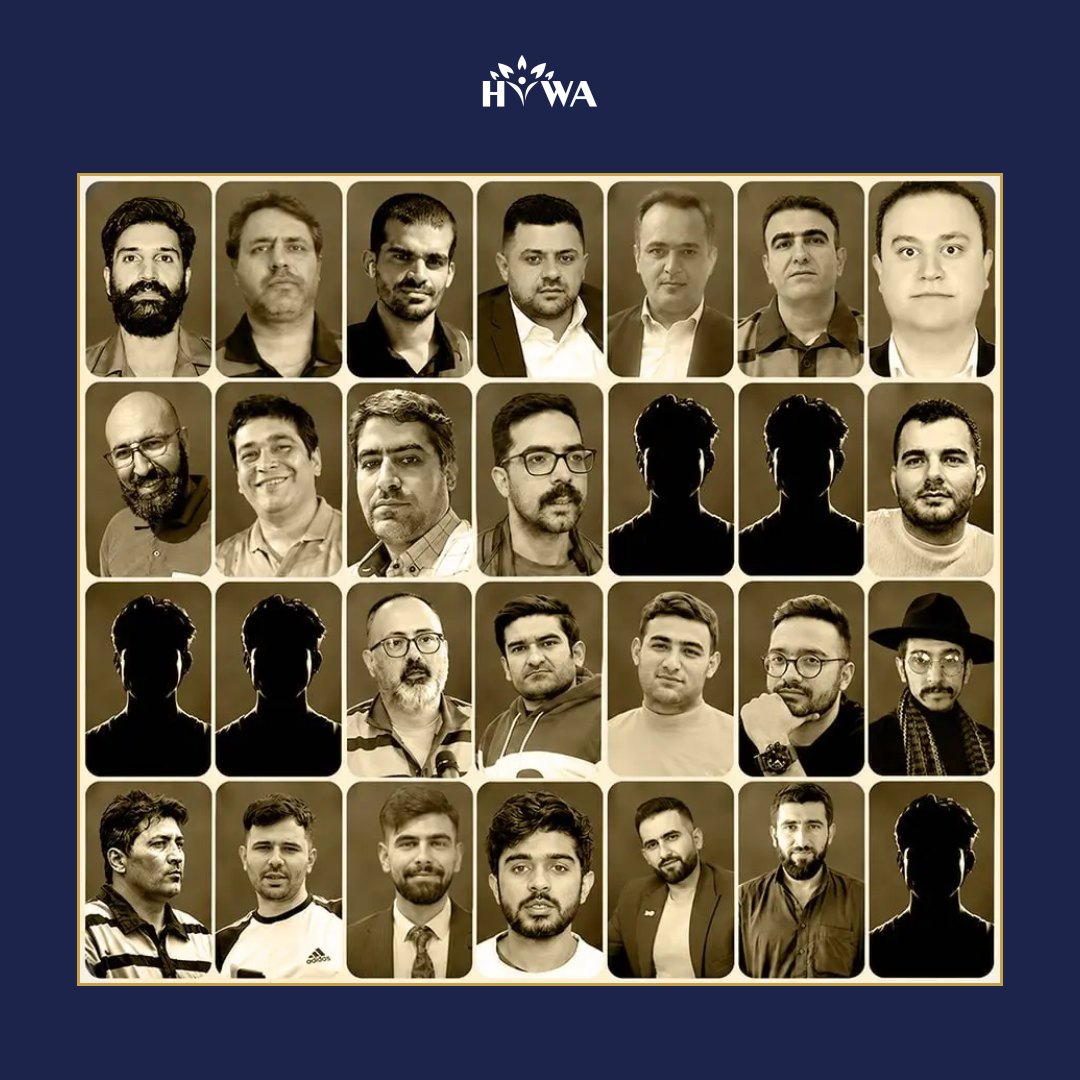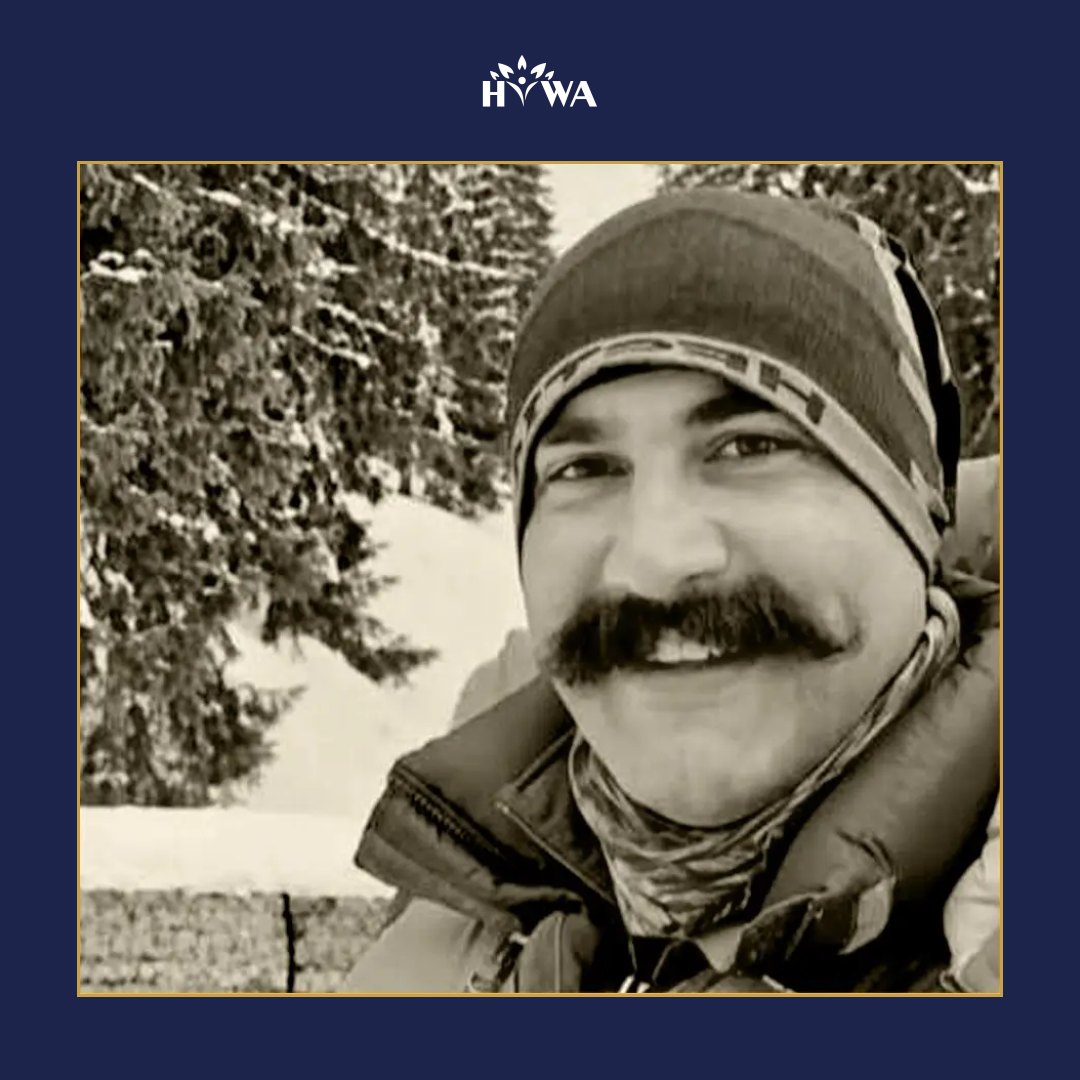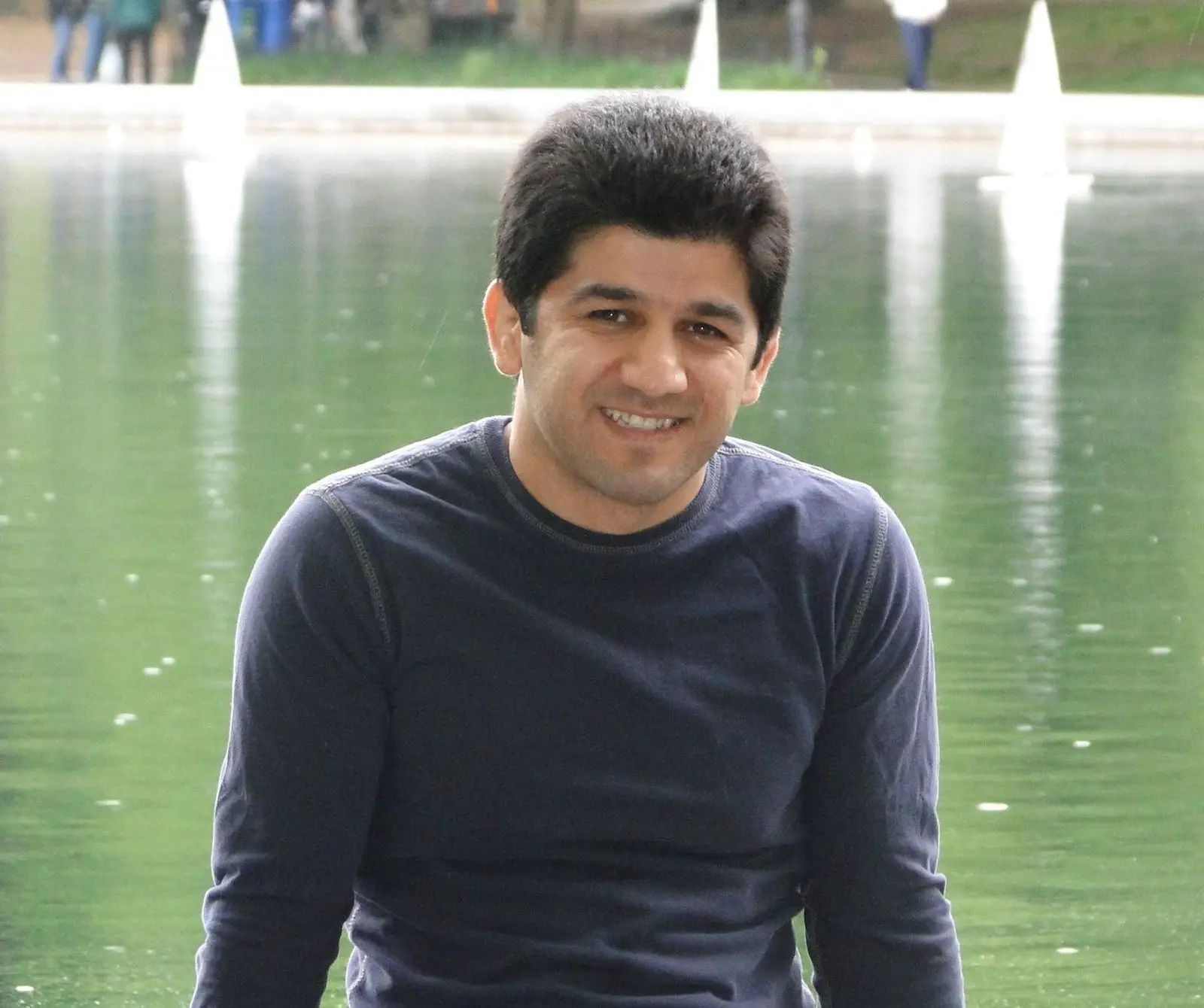
Vanished by the State: The Unresolved Enforced Disappearances of 9 Iranian Citizens
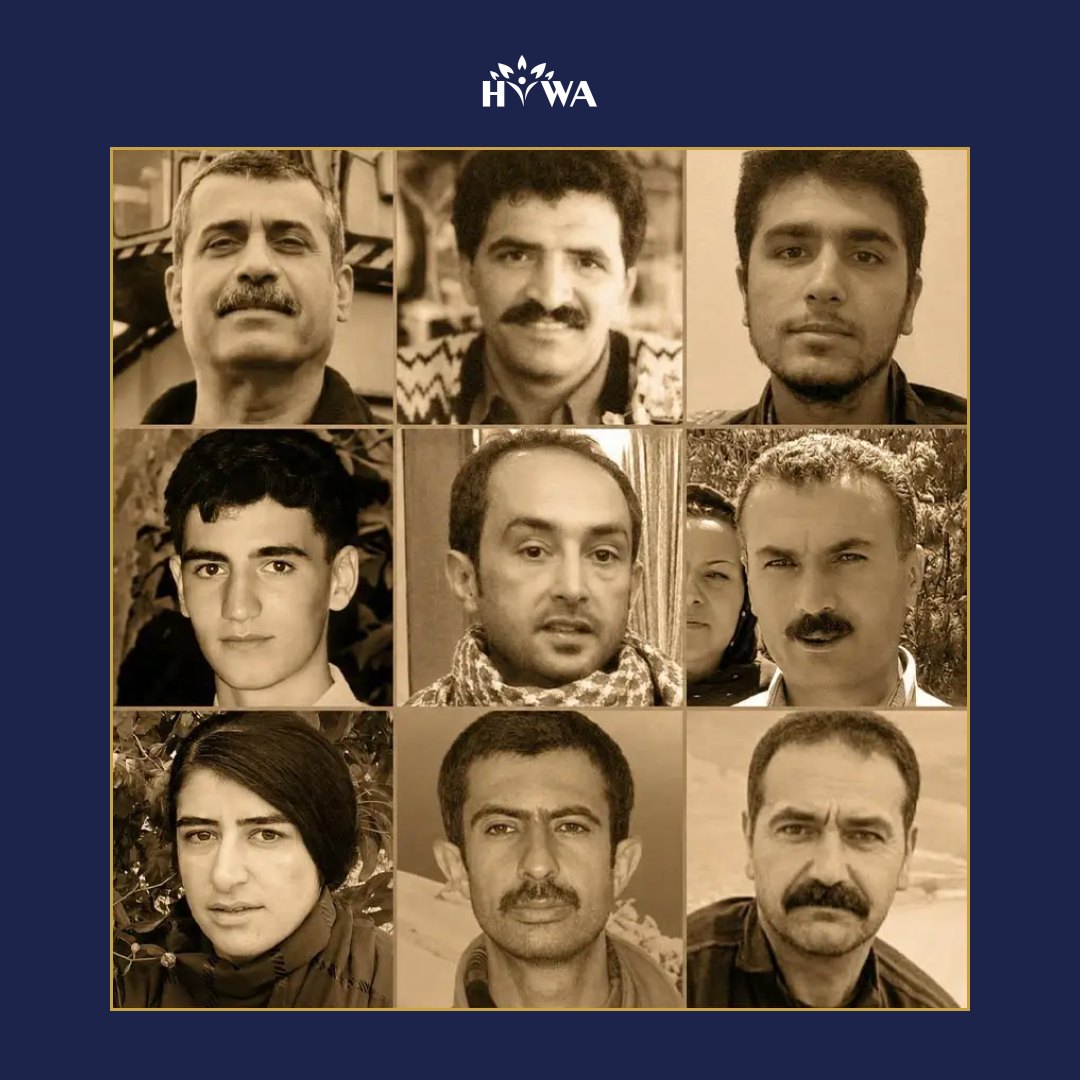

Enforced disappearance remains one of the most cruel instruments of state repression in Iran. Specifically, authorities refuse to acknowledge detentions or disclose the location of prisoners, subjecting families to perpetual psychological torture.
Decades of State Concealment
Pirouz Davani (28 Years Missing): Dissident writer, translator, and publisher who vanished in August 1998. Consequently, evidence strongly links his disappearance to state agents during the notorious “Chain Murders.”

Saeed Zeinali (27 Years Missing): A 22-year-old Tehran University student abducted from his home in July 1999 following student protests. Despite public pleas from his parents, authorities continue to deny his detention.

Yousef Silawi (17 Years Missing): An Ahwazi Arab turbine technician abducted from his home in Ahvaz in November 2009, whose case remains before the UN Working Group on Enforced Disappearances.

Systematic Targeting of Kurdish Activists and Protesters
Aram Zafari (9 Years Missing): A Kurdish computer and architecture graduate from Kamyaran who disappeared in November 2017 after receiving summonses from Intelligence agents.

Idris Faghihi (5 Years Missing): A Kurdish political activist shot and detained while wounded by IRGC forces near Bokan in July 2021.

Osman Mameh (3 Years Missing): A Kurdish family provider abducted in Bokan in November 2022 during the “Woman, Life, Freedom” movement.

Anwar Ramazanpour (2 Years Missing): A Kurdish construction worker from Mahabad abducted near his residence in June 2024.

Mohsen Qaderi (Over 1 Year Missing): A Kurdish citizen detained by IRGC Intelligence near Baneh in June 2025 and last seen in Shahramfar detention center.

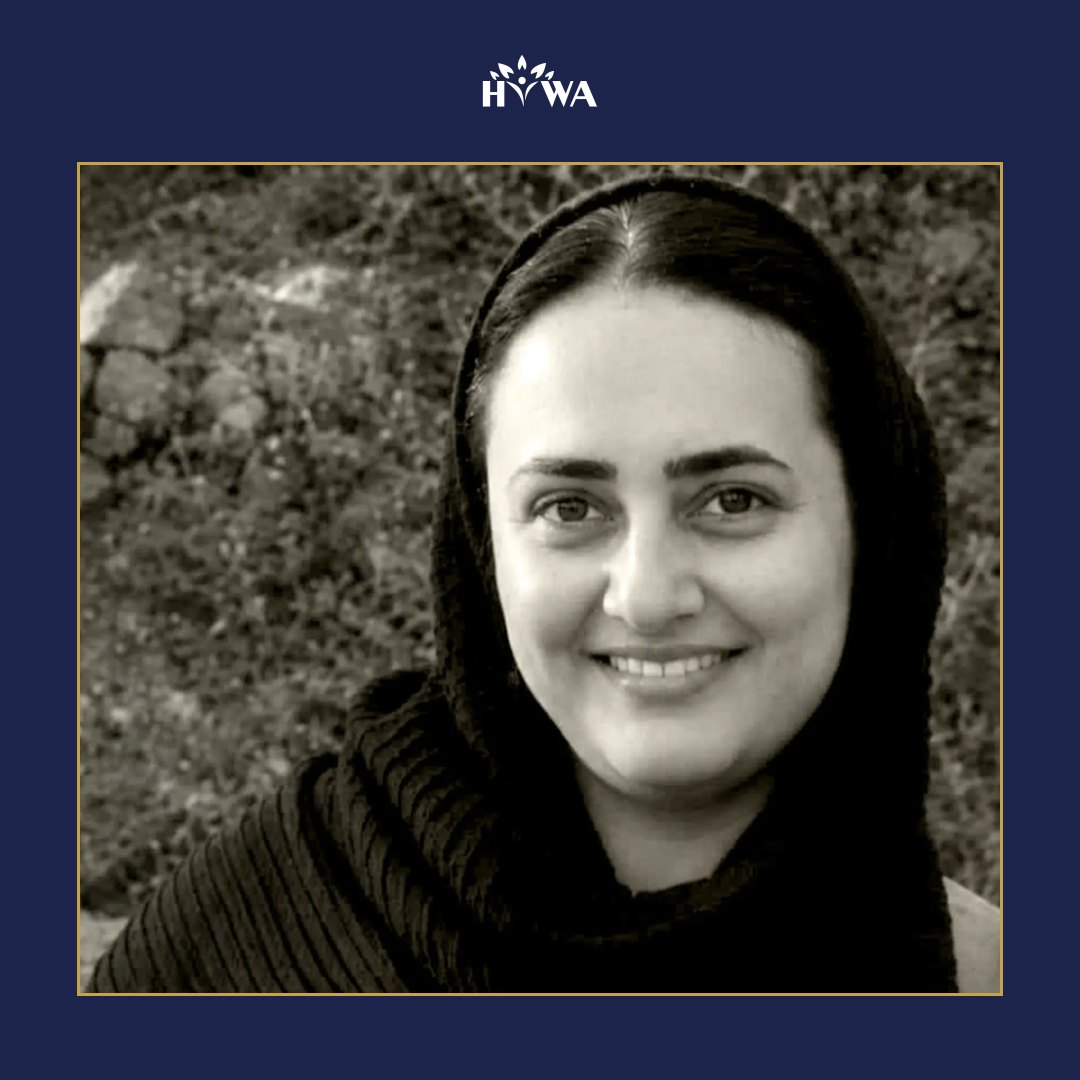
Sara Rashidi Kechlanlou (Over 7 Months Missing): A 33-year-old Kurdish woman from Maku abducted without a warrant near Kermanshah by IRGC Intelligence during the January 2026 demonstrations.

A Continual Crime Against Humanity
This policy dates back to the early post-1979 era, most notably seen in the secret 1988 prison massacres where over 5,000 political prisoners were buried in unmarked mass graves. Ultimately, international human rights law considers enforced disappearance an ongoing crime until the state reveals the truth.
Hiwa documents cases like this one with your support.
Donate