From the 1979 Marivan Mass Migration to ‘Woman, Life, Freedom’: How Kurdish Women Built a Legacy of Civil Resistance
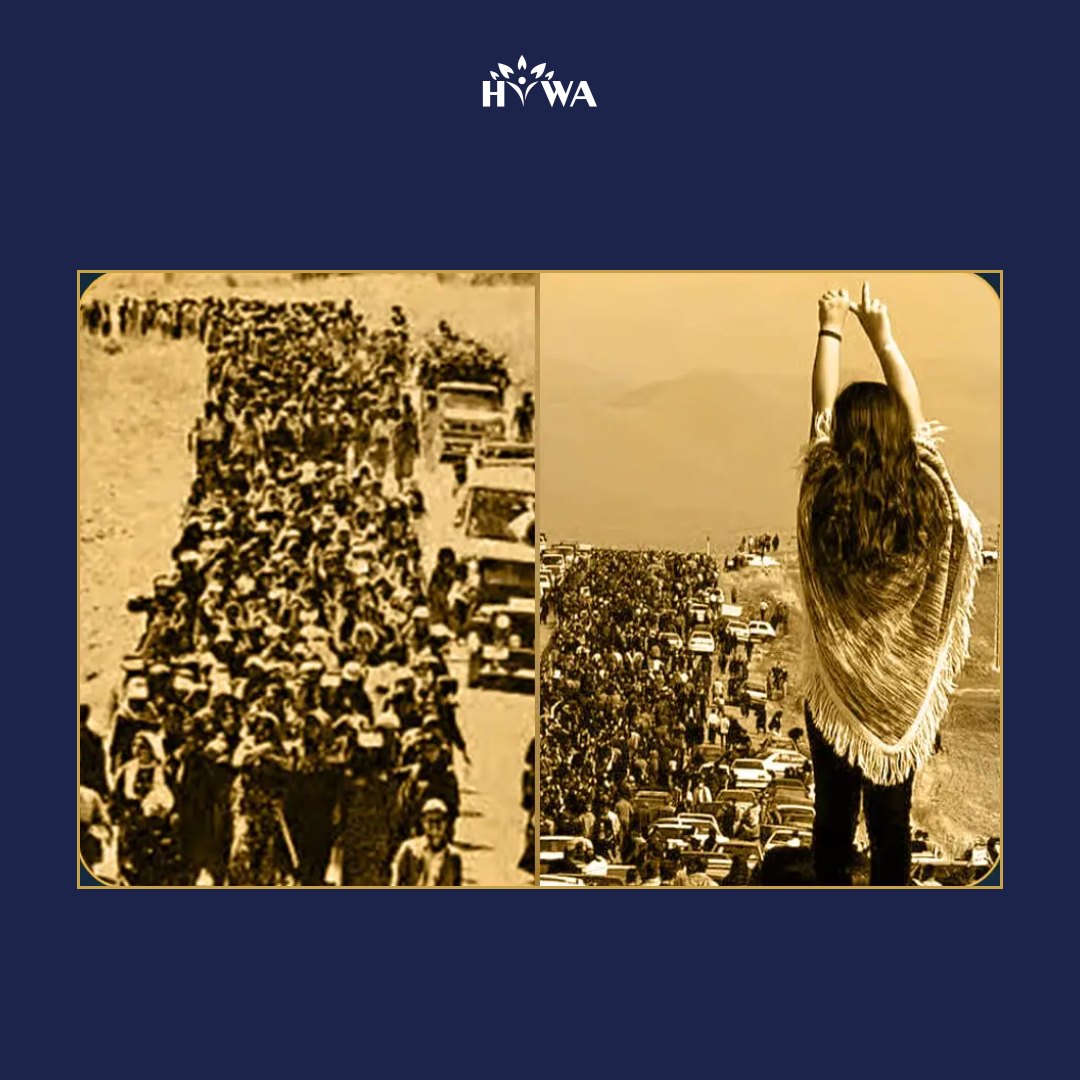

In the summer of 1979, residents of Marivan took a historic stand against impending military conflict. Specifically, nearly 20,000 people evacuated the city and marched to Kani Miran in civil protest. Consequently, the Marivan mass migration Kurdish women helped organize became a landmark event in civil resistance
This collective exodus was not an act of surrender. Instead, it was a organized effort to prevent violence inside the city.
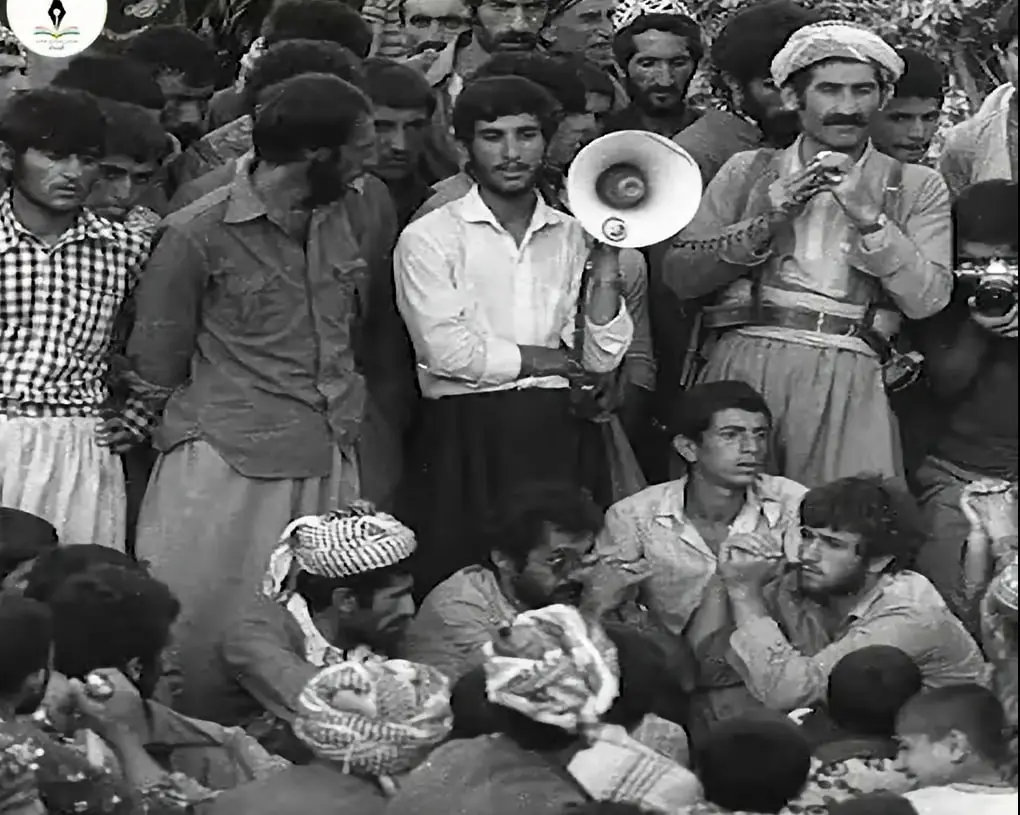
The Marivan Women’s Council Before the Exodus
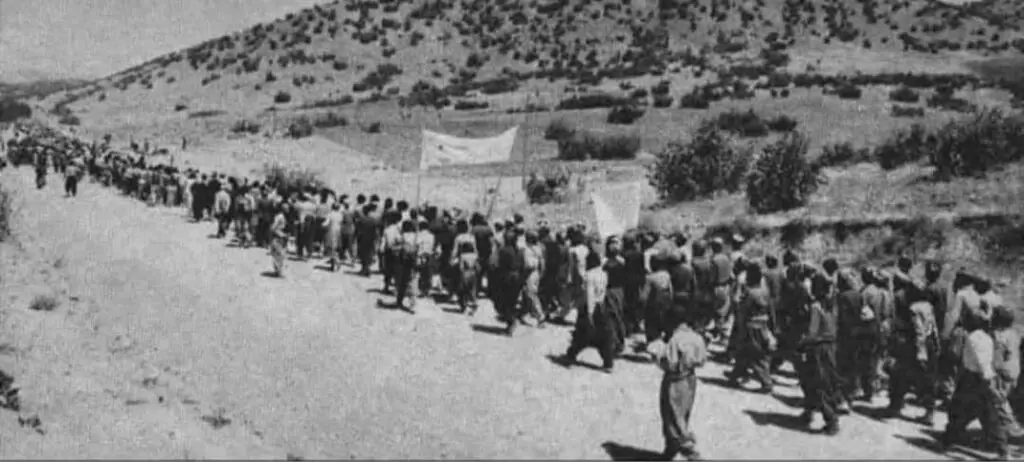
Before the migration began, the Marivan Women’s Council operated actively in local neighborhoods and villages. Indeed, members taught literacy, provided healthcare, and collected medical supplies. Furthermore, they organized public marches demanding an end to military escalation. Therefore, women were already leading civil initiatives well before the city was evacuated.
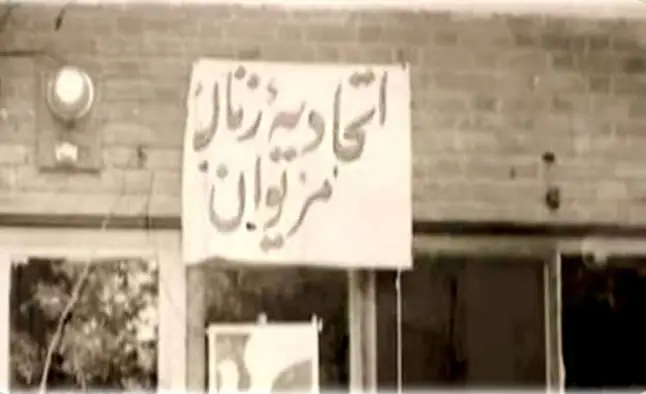
Organizing Life at the Kani Miran Camp
When the exodus began, organized groups of women immediately joined the movement. In addition, women managed essential camp operations at Kani Miran. Specifically, they treated the sick, prepared meals, and maintained sanitation for thousands of protesters. Notably, historical accounts highlight that women even participated in camp security patrols.
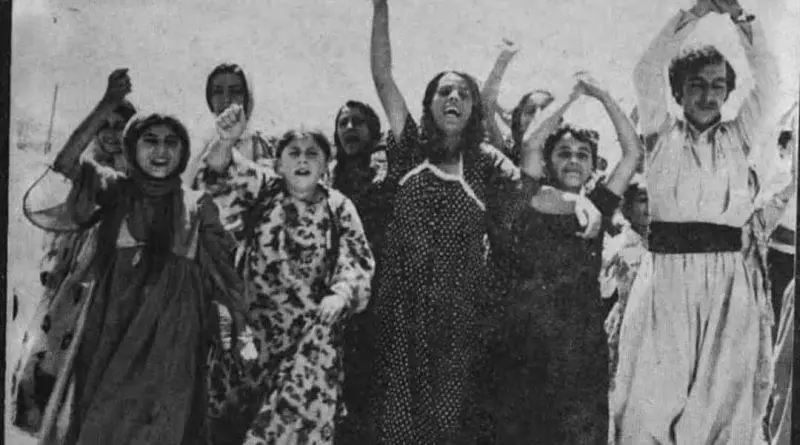
Solidarity Marches from Sanandaj
The movement quickly expanded beyond Marivan. Consequently, the Sanandaj Women’s Organization launched a multi-day solidarity march to support the camp. Furthermore, these women supplied essential goods to marchers along the way. Thus, their active participation transformed a local protest into a regional demonstration of unity.
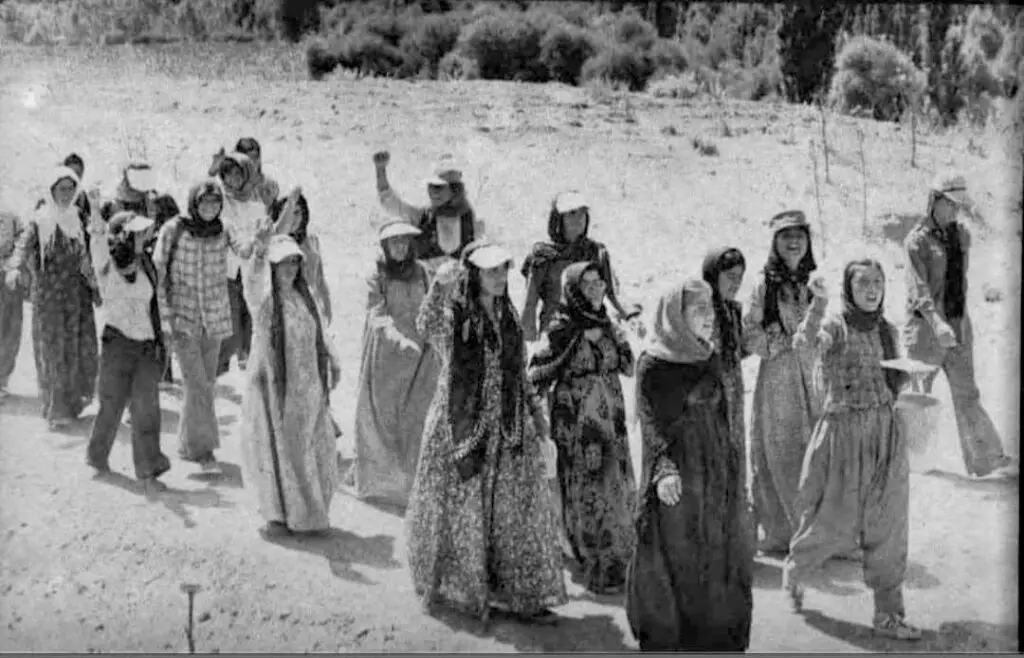
A Legacy Leading to ‘Woman, Life, Freedom’
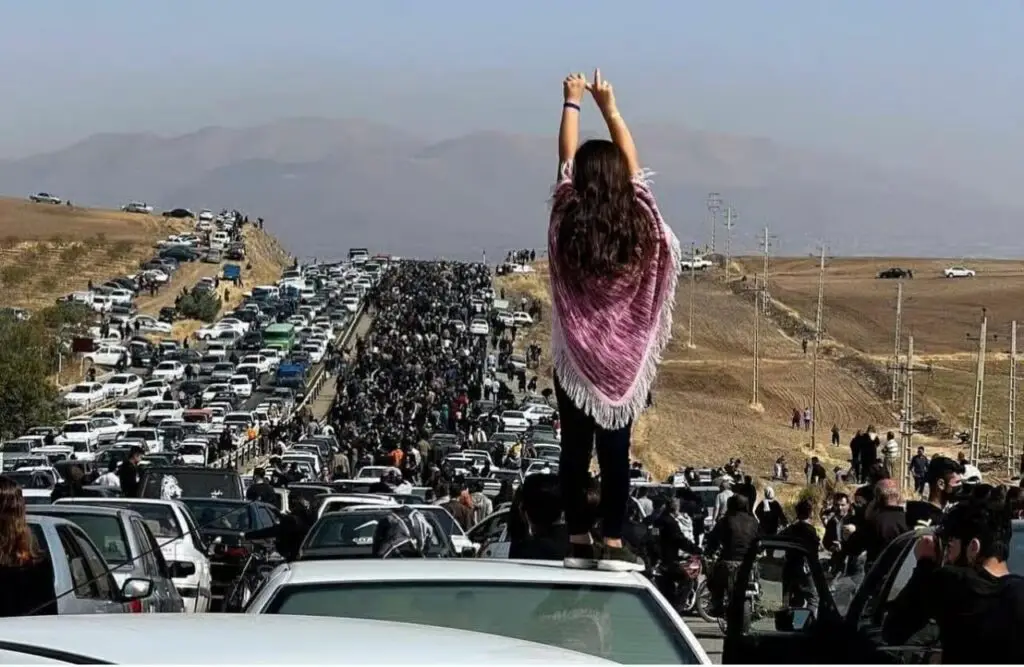
The Marivan mass migration Kurdish women led was not merely a symbolic effort. Instead, it demonstrated decades of political consciousness and structural organization. Ultimately, this long-standing tradition of civil activism directly paved the way for the “Woman, Life, Freedom” (Jin, Jiyan, Azadi) uprising. Kurdish women continue to stand at the very center of social change and resistance. To read more about contemporary movements, visit our Protests tag in News section.
Hiwa documents cases like this one with your support.
Donate