Over 220 IRGC Attacks Target Iranian Kurdish Parties: 18 Dead and Dozens Wounded

Since the beginning of the 40-day war, the Islamic Revolutionary Guard Corps (IRGC) has repeatedly struck opposition groups. Specifically, Iranian forces and allied militias launched at least 223 missile and drone strikes against Kurdish bases, camps, and residential areas in the Kurdistan Region of Iraq up to July 17, 2026 (26 Tir 1405). Consequently, these escalating IRGC attacks Kurdish parties have sparked severe humanitarian concerns.
During the initial 40-day conflict, monitoring groups recorded at least 167 attacks targeting six distinct Kurdish political groups. In addition, these strikes killed five Peshmerga fighters and wounded 30 others before a temporary ceasefire. However, the violence did not stop after the truce. Instead, authorities recorded another 50 cross-border strikes by June 17, which left four more people dead and 20 injured.
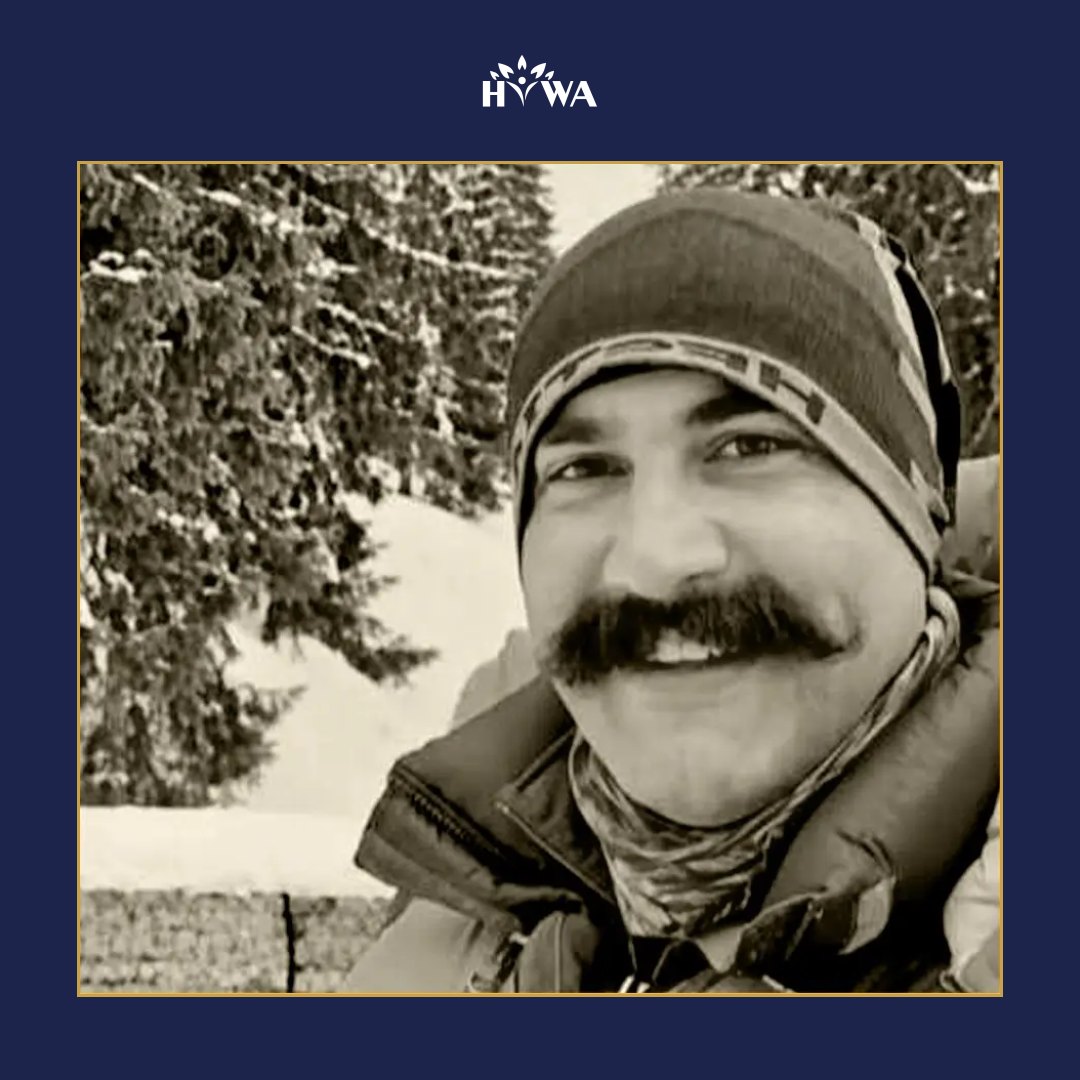
The deadliest assault occurred recently on July 17, 2026. Specifically, the IRGC fired six missiles and kamikaze drones at the Komala Party of Iranian Kurdistan headquarters in Zargwez, Sulaymaniyah. Consequently, nine people were killed, two were severely injured, and two others went missing. Significantly, three of the deceased were 17-year-old youths who had not yet officially joined the Peshmerga forces.
Casualties and Target Breakdown
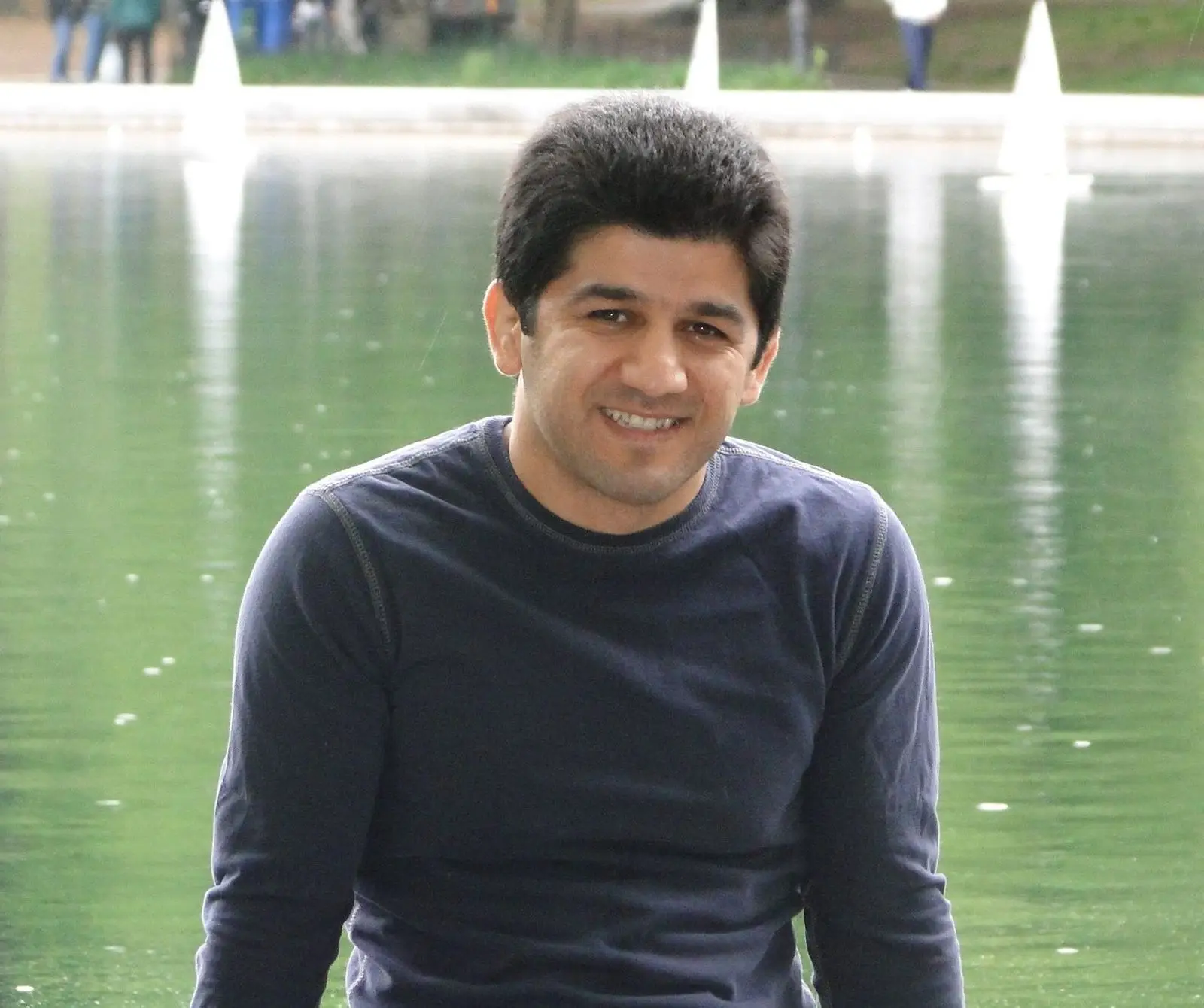
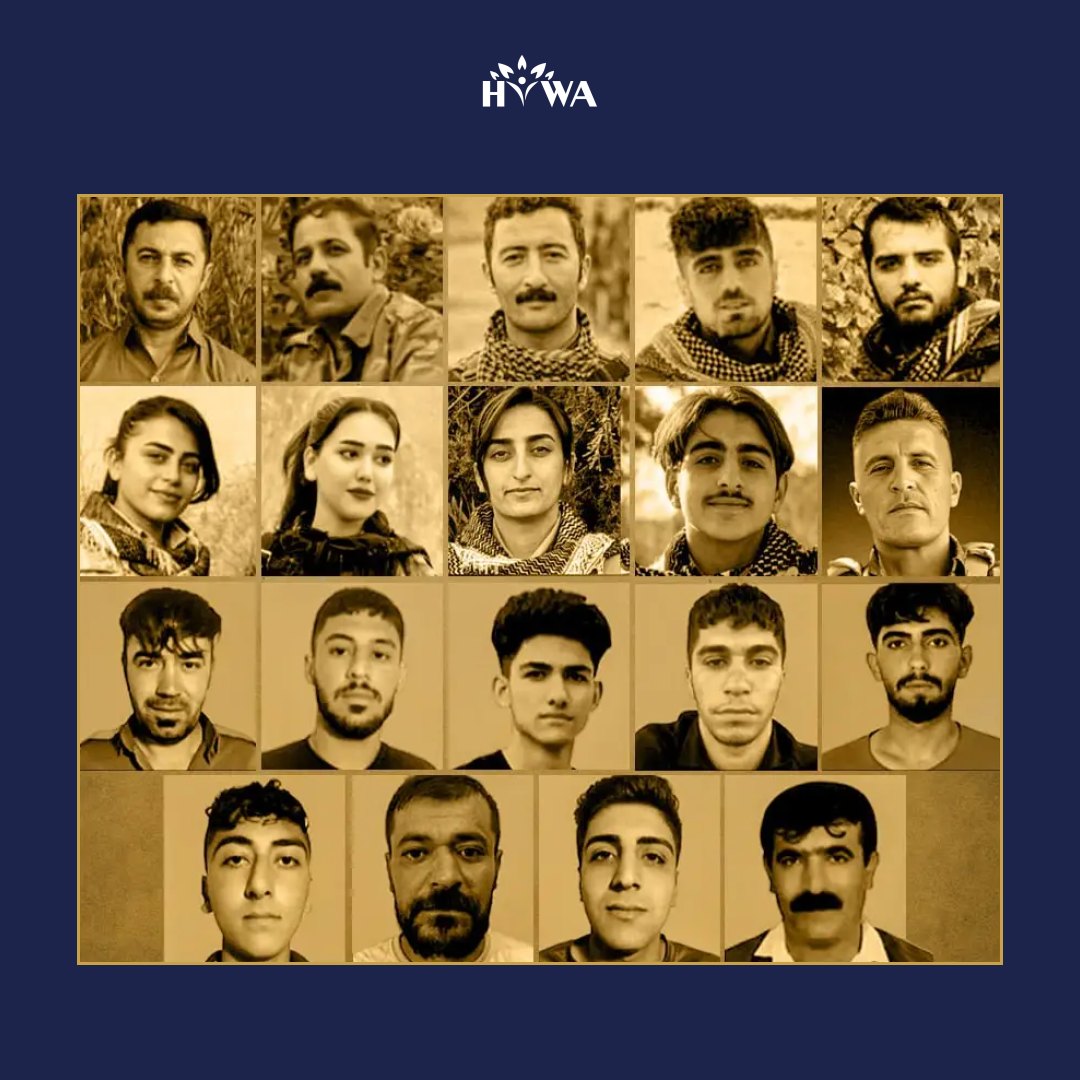
In total, these continuous IRGC attacks Kurdish parties have claimed 18 lives and wounded at least 52 people. Among the victims, 17 were party members, volunteers, or Peshmerga fighters. Furthermore, one civilian teenager named Shaheen Azarbarzin lost his life. He was killed during a strike on a residential camp housing families of the Kurdistan Democratic Party of Iran (KDPI). The KDPI remains the primary target of these military operations, enduring at least 116 strikes. In addition, the Kurdistan Freedom Party (PAK), various Komala factions, the Khabat Organization, and the Communist Party of Iran (Komala) faced heavy bombardments.
Humanitarian Fallout in the Kurdistan Region
Indeed, these operations did not solely target military installations. Instead, the strikes frequently hit civilian refugee camps, women, and children. The ongoing cross-border campaign directly violates the right to life and security in the Kurdistan Region.
Therefore, international bodies must launch independent investigations to protect civilian camps and hold the perpetrators accountable. Political affiliation cannot justify targeting civilian spaces. Ultimately, these relentless IRGC attacks Kurdish parties are a direct assault on the peace and stability of all Kurdistan.
Hiwa documents cases like this one with your support.
Donate