21st Protester Executed: How Iran Used Contradictory Evidence to Hang Mohammad Amini Dehaqani
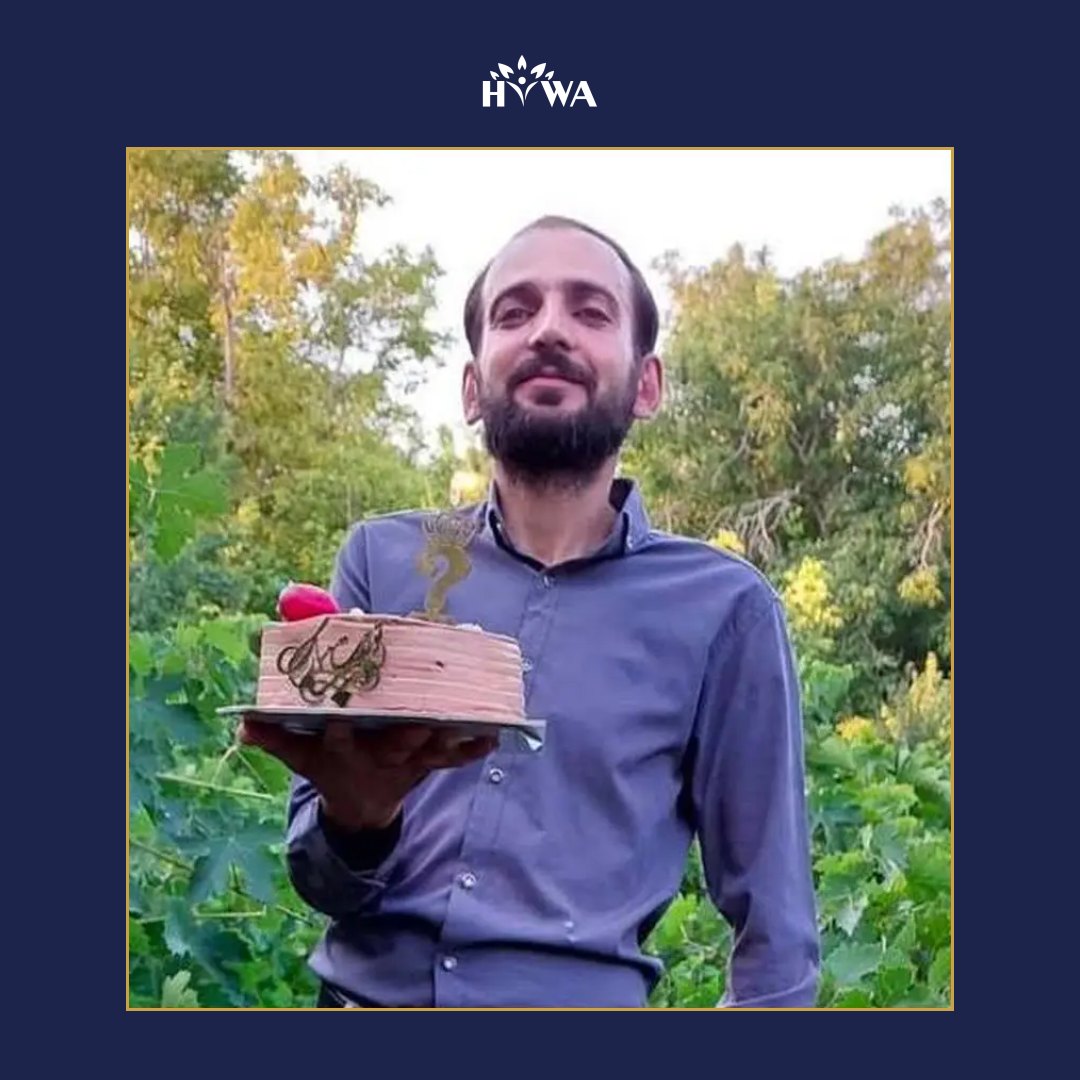

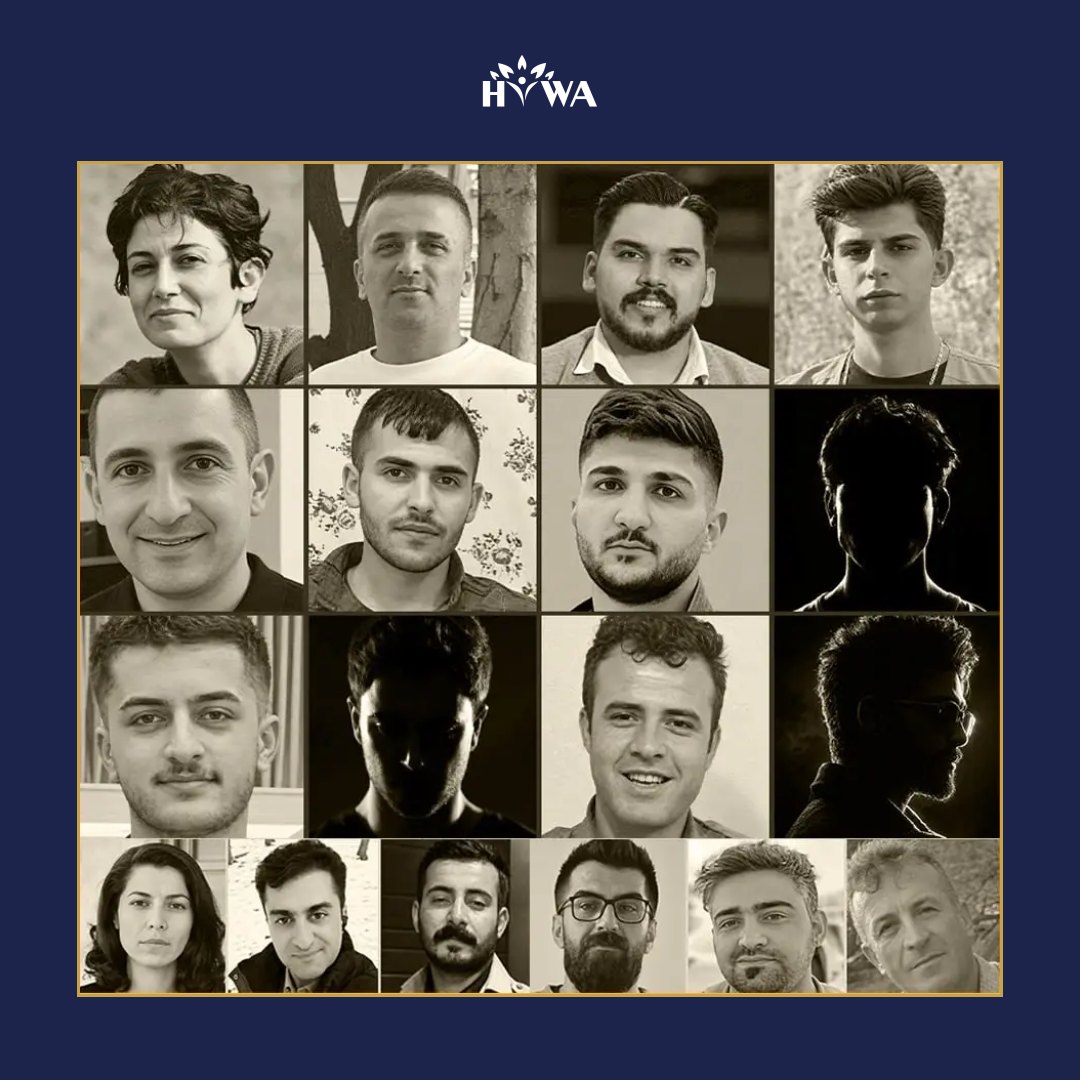
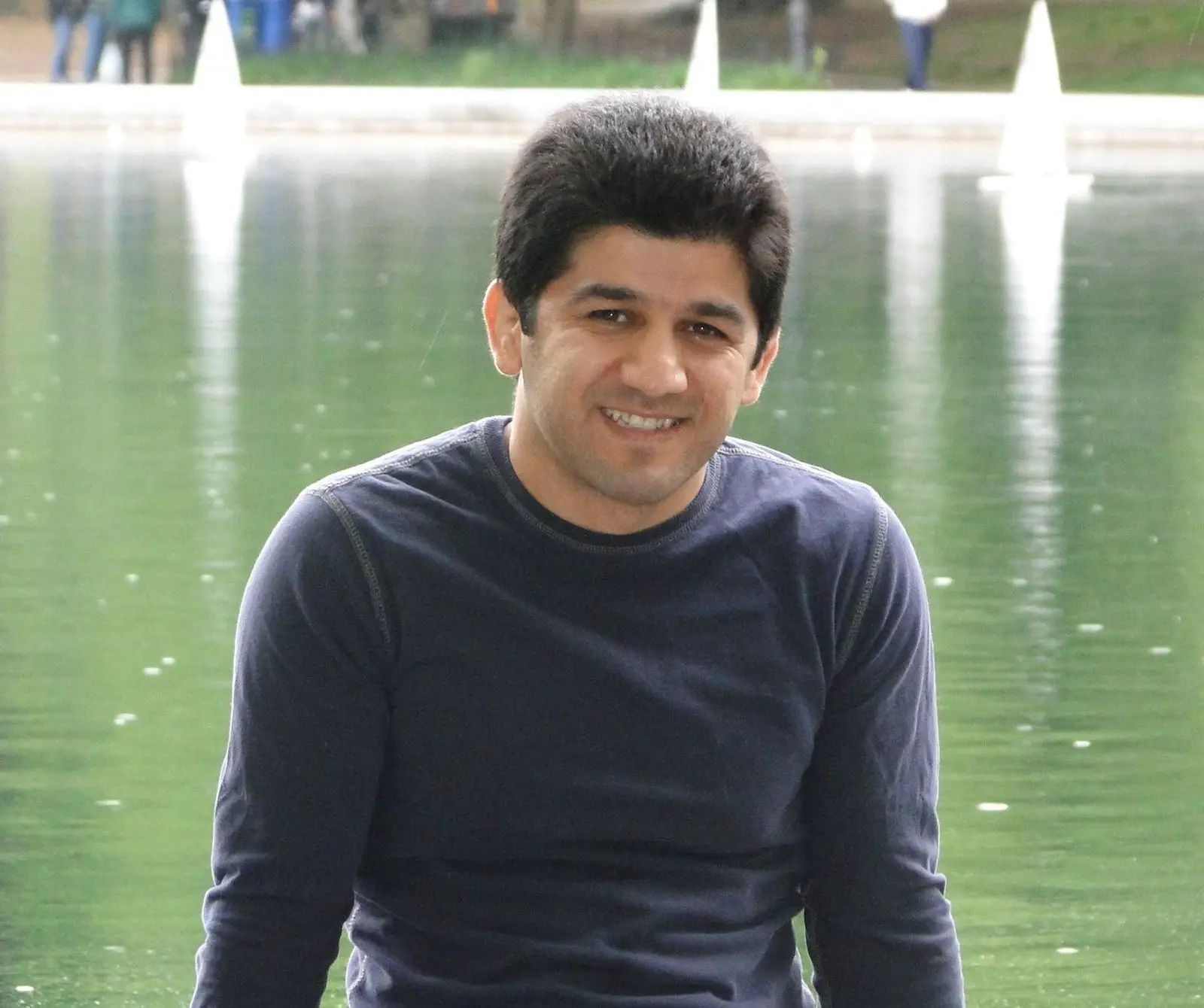
On Wednesday morning, July 15, 2026 (24 Tir 1405), Iranian authorities executed Mohammad Amini Dehaqani. He was previously arrested during the December 2025 protests in the town of Dehaqan. Consequently, the tragic Mohammad Amini Dehaqani execution brings the number of executed protesters from that specific wave to at least 21.
Before the hanging, officials kept his arrest, death sentence, and trial completely secret. Instead, the judiciary’s media outlet released a one-sided report only after his death.
A Pre-Condemned Defendant
The tone of the official announcement shows a complete lack of judicial impartiality. Specifically, the judiciary labeled Dehaqani a “collaborator of the enemy” before presenting any evidence. In addition, state media called the December protests an “American-Zionist coup.”
Therefore, this language completely violated the presumption of innocence. In this official narrative, the defendant had no real right to a defense. The court simply confirmed a pre-written political story. You can read more about similar state patterns on our Political Prisoners archive page.
The Core Weapon Contradiction in the Mohammad Amini Dehaqani Execution
The judiciary’s report contains a massive contradiction regarding a Kalashnikov rifle. According to the forced confession, Dehaqani merely asked others to give him a weapon. However, this statement does not prove he ever received, carried, or fired a gun.
Despite this major gap, the judiciary convicted him of Moharebeh (enmity against God) for drawing a firearm. Furthermore, state surveillance footage only showed him carrying Molotov cocktails. No images exist of him holding a rifle. Thus, a critical gap remains between asking for a weapon and actually using one. The state simply ignored this fact to rush the Mohammad Amini Dehaqani execution.
Hanging Without a Murder Charge
Significantly, the official state narrative does not accuse Dehaqani of killing anyone. His charges only included throwing Molotov cocktails and damaging public property. He was also accused of encouraging attacks on a police station.
Nevertheless, he received the harshest possible punishment. It remains entirely unclear how the court justified a “corruption on Earth” conviction without any casualties.
Forced Confessions and Secret Trials
The state’s case relied heavily on the defendant’s confessions. Unfortunately, the conditions under which authorities extracted these admissions remain unknown. It is unclear if he had access to an independent lawyer during interrogations.
Moreover, the state report completely ignored the defense’s arguments. Over the past months, reports show a pattern of rushed appeals and secret executions. Consequently, the mere presence of a state-appointed lawyer does not guarantee a fair trial.
Total Lack of Verifiable Information
The judiciary concealed all basic case details. For instance, they withheld the case number, the judge’s name, and the trial dates. Instead, they simply claimed the legal process was followed.
When a life is at stake, general statements cannot replace true transparency. The Mohammad Amini Dehaqani execution reflects a broader, dangerous trend. The state holds secret trials, executes citizens in silence, and releases its narrative only after they are dead. This prevents the victims from challenging the state’s lies.
Hiwa documents cases like this one with your support.
Donate