37 Years After the Vienna Assassination: How a Peace Negotiation Became a Death Trap for Kurdish Leaders
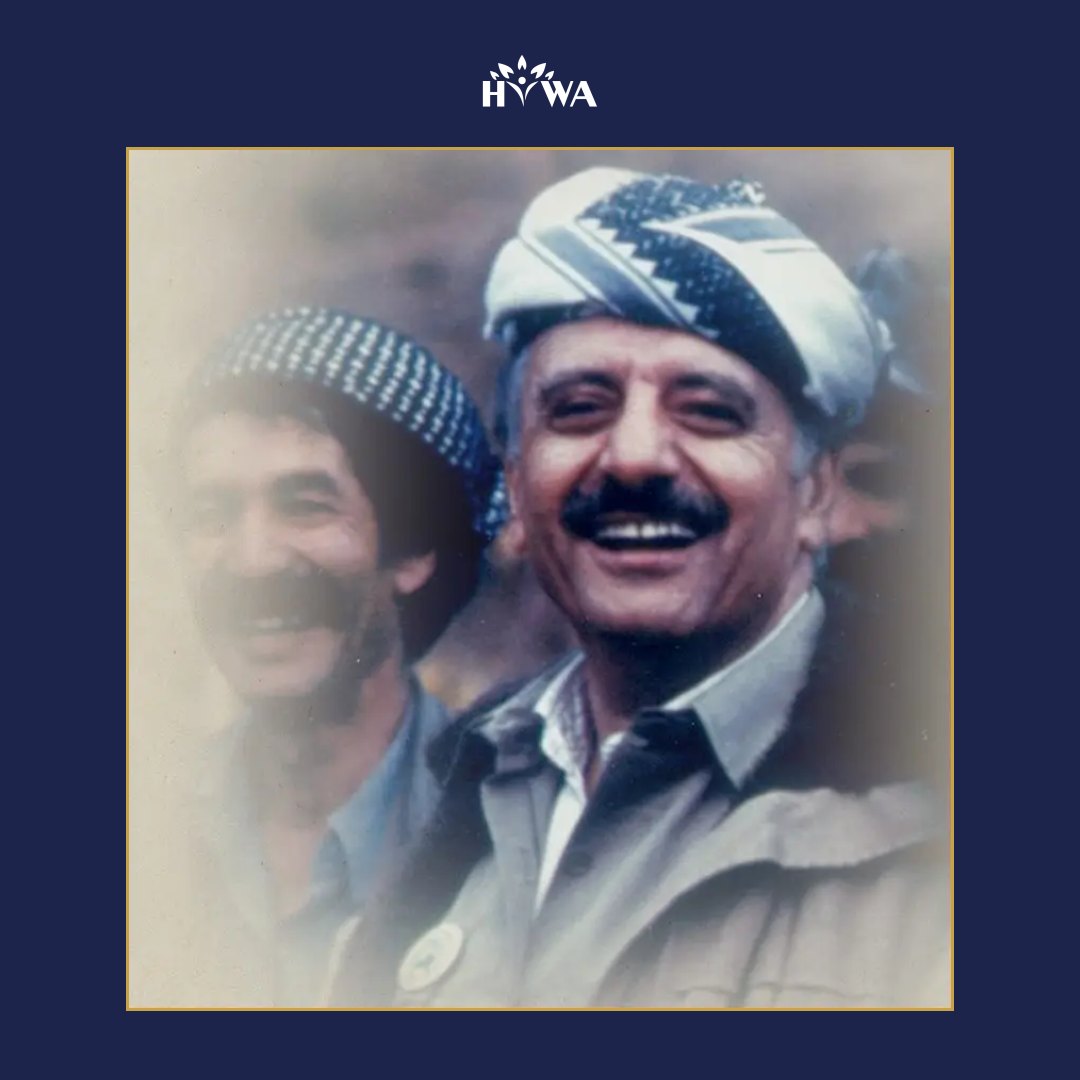
On July 13, 1989 (22 Tir 1368), Abdul Rahman Ghassemlou, Abdullah Qaderi-Azar, and Fadhil Rassoul were killed in Vienna while negotiating with representatives of the Islamic Republic of Iran. Although police investigations quickly placed the Iranian delegation at the center of the crime, the Austrian government allowed the suspects to leave the country. Thirty-seven years later, the case has still never gone to trial.
The assassination remains one of Europe’s most high-profile unresolved political crimes. While investigators identified the primary suspects and gathered overwhelming evidence against them, no one has ever faced a courtroom.
Dr. Abdul Rahman Ghassemlou, Secretary-General of the Kurdistan Democratic Party of Iran (KDPI), had traveled to Vienna with the hope of finding a peaceful political solution to the Kurdish issue. The secret talks were meant to pave the way for long-term dialogue. Instead, on the second day of meetings, they ended in gunfire.
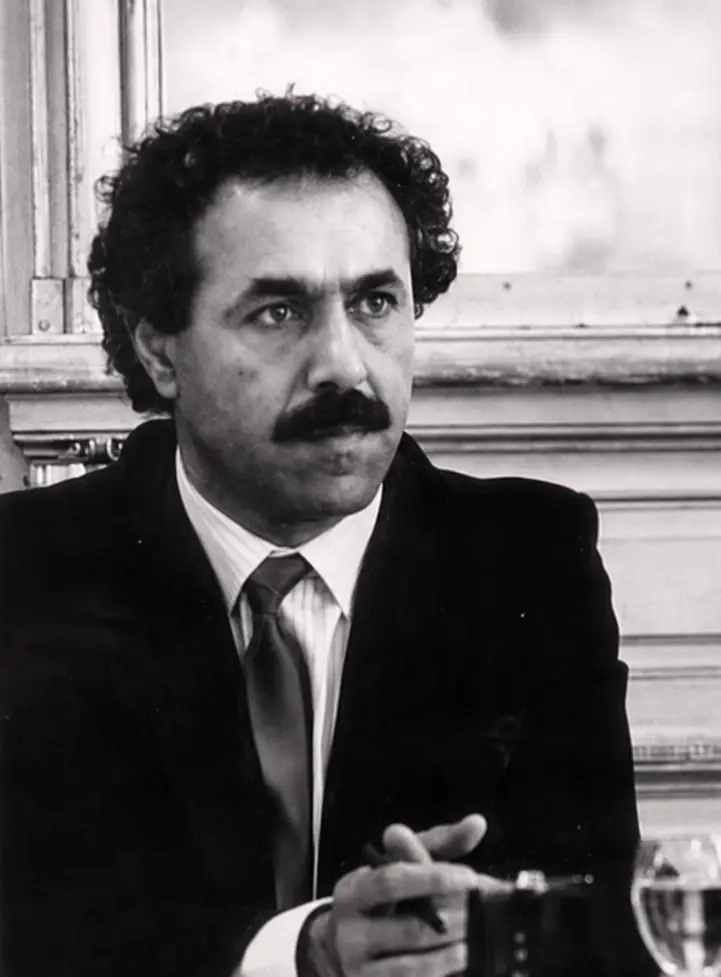
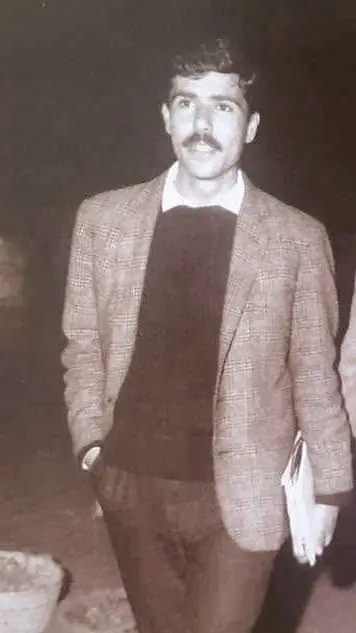
The Three Victims of the Vienna Attack
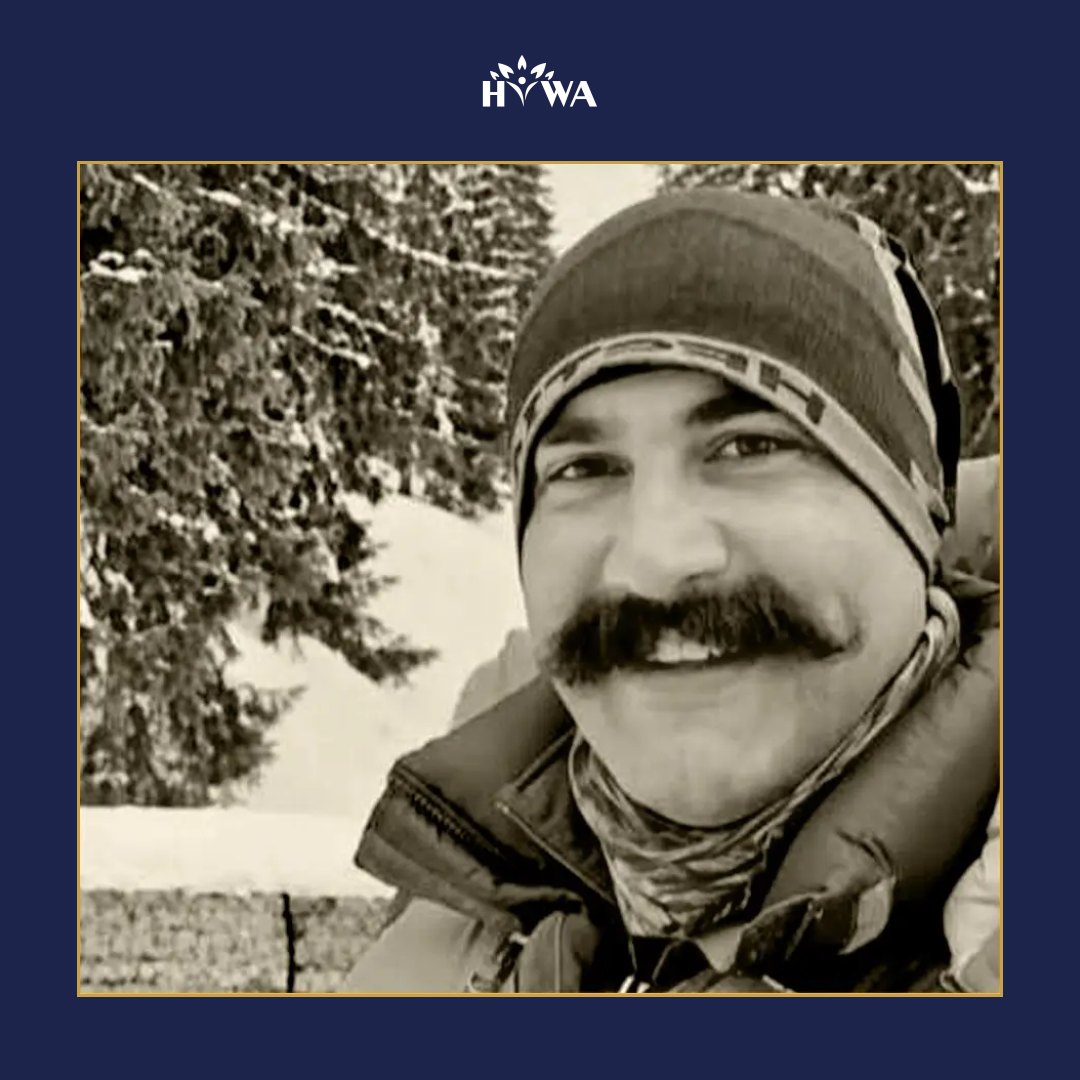
Abdul Rahman Ghassemlou: An economist, author, and one of the most prominent Kurdish political leaders in Iran. He consistently advocated for democracy in Iran, a peaceful political resolution for Kurdistan, and the recognition of Kurdish political rights.
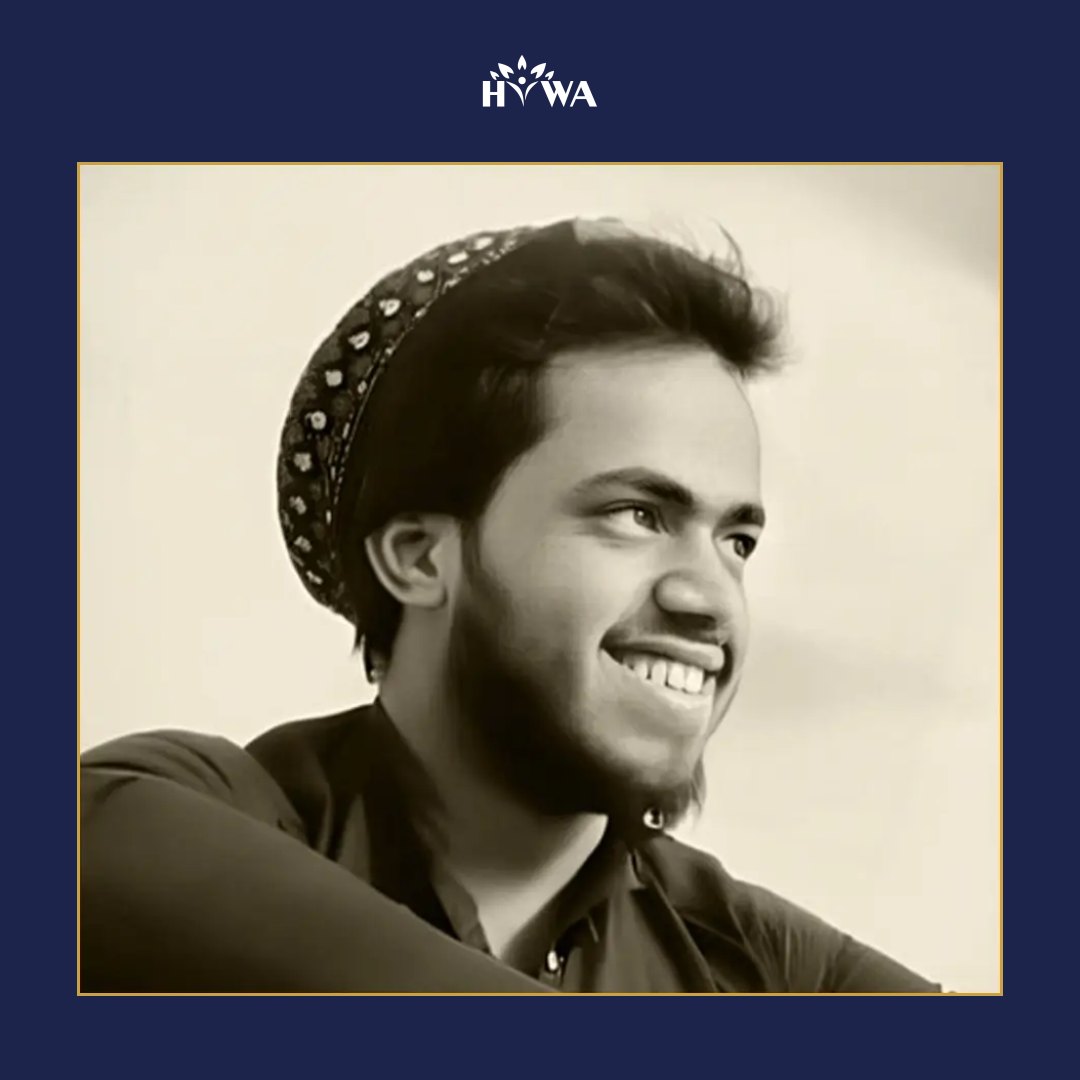
Abdullah Qaderi-Azar: A member of the KDPI Central Committee and the party’s representative in Europe, who managed the group’s foreign relations.
Fadhil Rassoul: An Iraqi Kurdish scholar and intellectual from Sulaymaniyah. He was not a KDPI member but acted as a mediator to set up the meeting and facilitate communication between both sides.
From Negotiations to Gunfire
Contacts between the KDPI and representatives of the Iranian government began after the end of the Iran-Iraq War. Several rounds of talks took place in Vienna in late 1988 and early 1989.
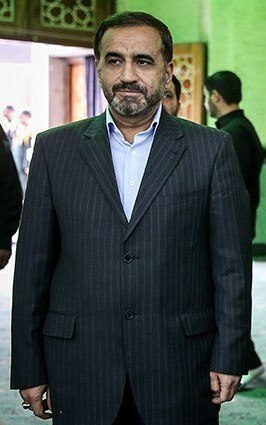
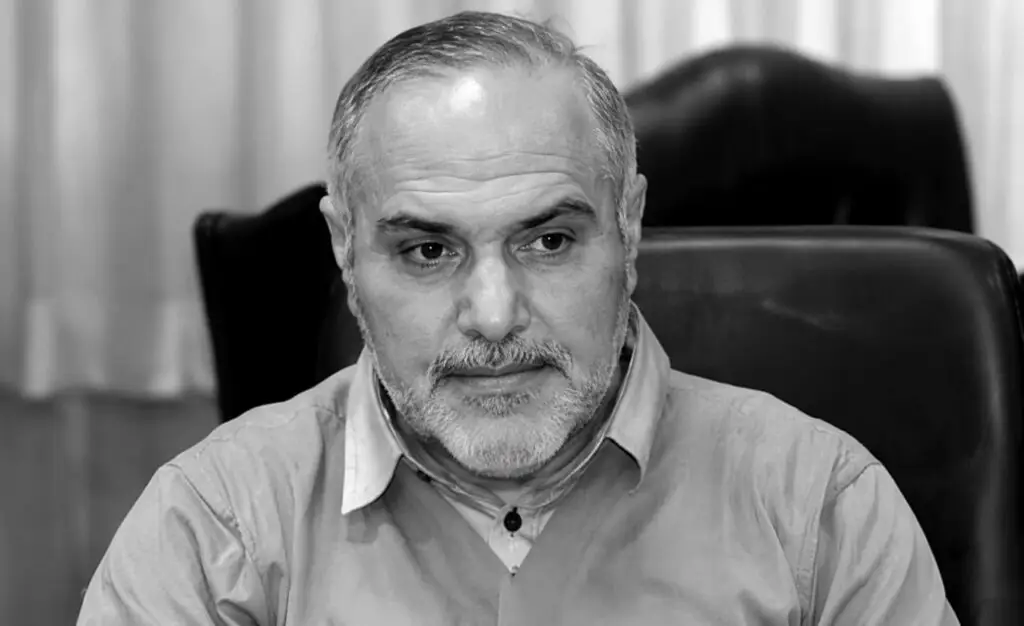
The Iranian delegation was led by Mohammad Ja’far Sahraroudi, then-head of the Kurdistan affairs desk at Iran’s Ministry of Intelligence. He was accompanied by Mostafa Ajoudi and Amir Mansour Bozorgian.
A new round of talks began in July 1989. After an inconclusive first meeting, both sides agreed to meet again the following day. Ghassemlou and Qaderi-Azar arrived at the apartment without bodyguards, joined by Rassoul as the mediator.
A secret audio recording captured the final moments of the meeting. The tape records the men discussing the next steps for the talks, followed seconds later by a sudden volley of gunfire.
Ghassemlou, Qaderi-Azar, and Rassoul were shot and killed at close range. Sahraroudi was wounded, Ajoudi vanished from the scene, and Bozorgian was detained by police when he later returned to the apartment.
Evidence Disproving the Iranian Account
Sahraroudi and Bozorgian claimed that unknown attackers had forced their way into the building and opened fire, but their stories contradicted one another.
Austrian police found no signs of forced entry. Ballistics and the location of the spent shell casings showed that the shots were fired from the exact side of the table where the Iranian delegation was sitting.
Investigating officers also recovered two automatic weapons equipped with silencers, bloodstained clothing, and the keys to a motorcycle. A trace on the motorcycle purchase records led police directly to Sahraroudi, who had used an alias to buy it.
The evidence was so compelling that senior police officials openly stated the case was no longer a technical investigation, but a political decision. Despite this, the suspects were never properly detained.
Austria’s Political Escape Route
Mohammad Ja’far Sahraroudi was questioned briefly in the hospital but was quickly allowed to leave Austria. On July 22, 1989, Austrian police escorted him to the airport.
Amir Mansour Bozorgian was also released after questioning and took refuge in the Iranian Embassy before eventually fleeing the country. Mostafa Ajoudi vanished in the hours immediately following the shooting and was never caught.
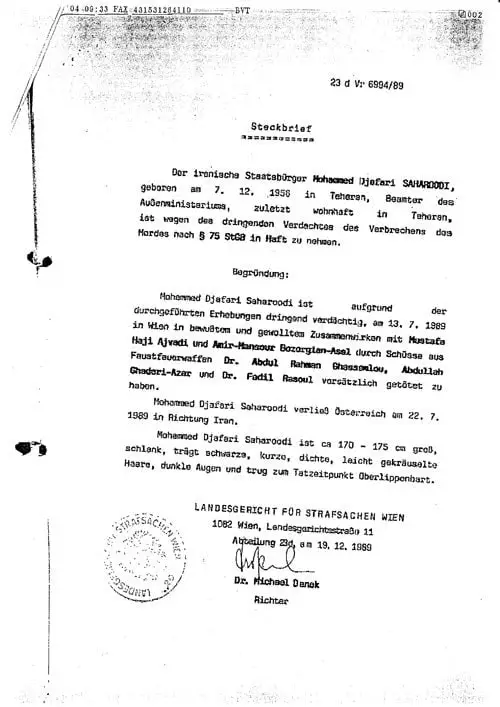
The Austrian judiciary only issued arrest warrants for the three Iranian representatives after they were safely out of the country. This delay triggered widespread international criticism, with accusations that the Austrian government deliberately facilitated the suspects’ escape to bow to political pressure from Tehran.
Helen Ghassemlou, the widow of Abdul Rahman Ghassemlou, later filed a lawsuit against the Austrian government, accusing officials of intentionally sabotaging the investigation and allowing the killers to flee. Her lawsuit was dismissed without a full review of the evidence.
The Ongoing Demand for Justice
The Ghassemlou assassination case was left untried not due to a lack of evidence, but because of political expediency. Under Austrian law, murder has no statute of limitations. This means the passing of decades is no barrier to resuming the investigation and seeking judicial accountability.
The demand for truth and justice remains alive. The Austrian government still owes an answer as to why the prime suspects of a triple homicide were allowed to escape the reach of justice before the investigation could be completed. For similar reports, visit our news section.
Hiwa documents cases like this one with your support.
Donate