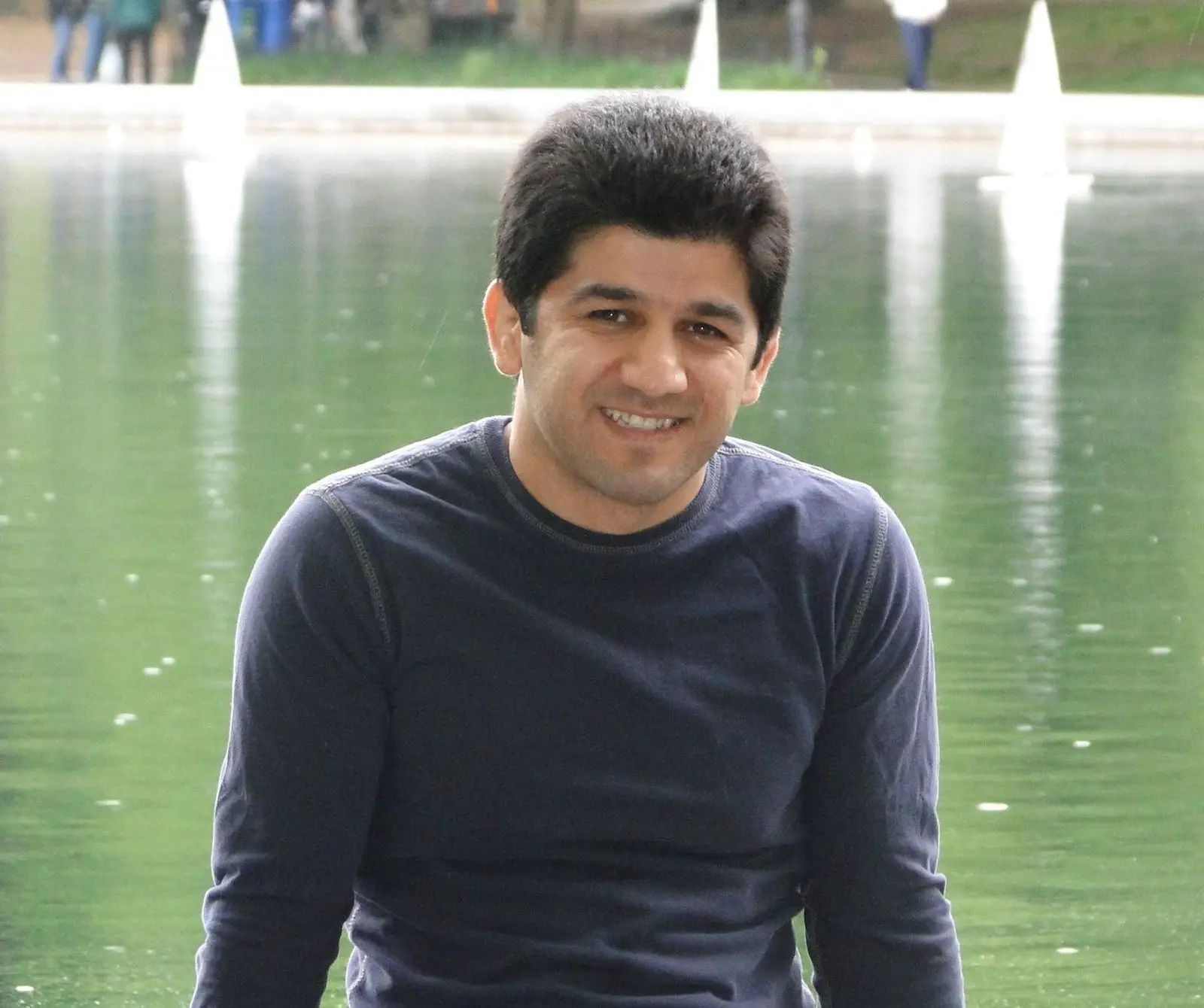
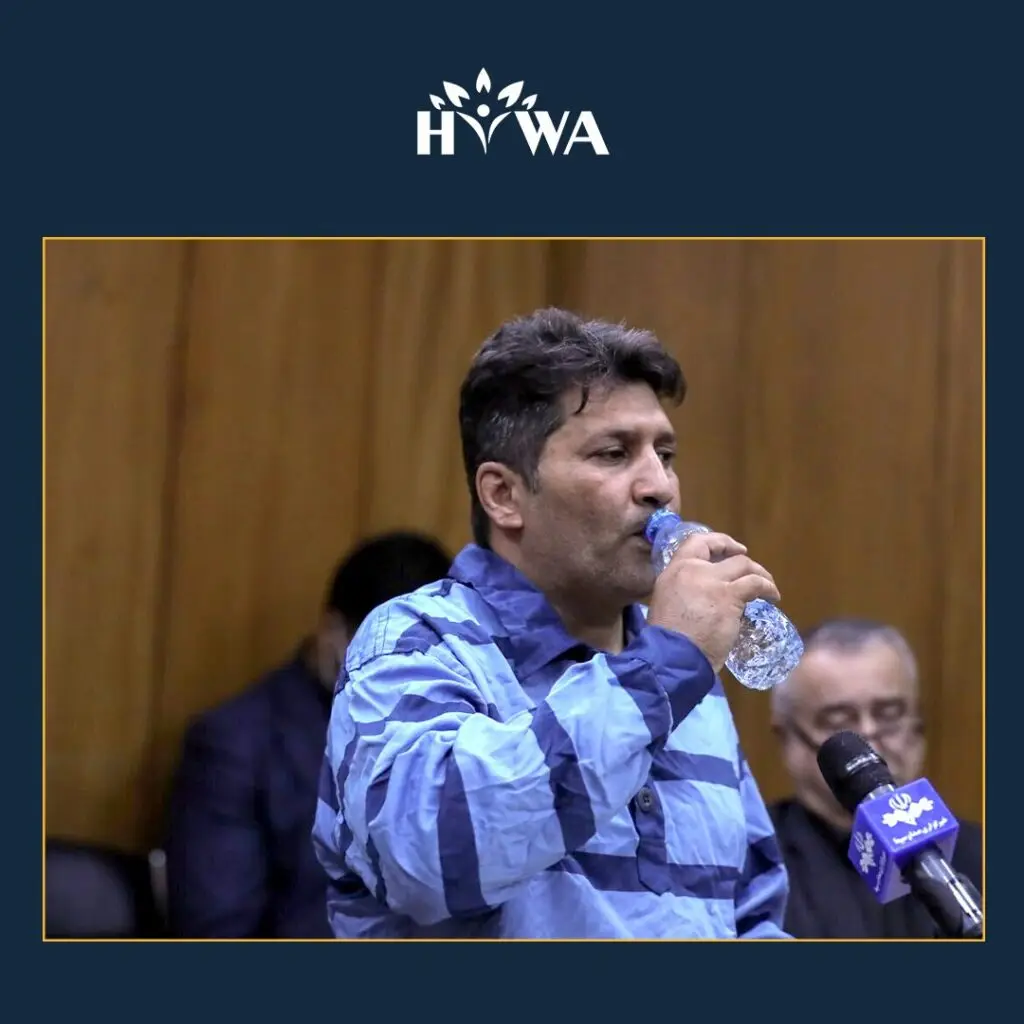
Mojtaba Kian, son of Mohammad-Gholi, was executed at dawn on 3 Khordad 1405. Judiciary-linked Mizan News Agency said authorities executed him on charges of “intelligence activity for Israel and the United States.”
According to the judiciary’s official account, Kian allegedly sent information about defense industry units during the recent war. Mizan claimed that the information included coordinates and details of a site linked to the production of defense-related parts.
The judiciary based the case on alleged confessions, messages from his mobile phone, and claims of contact with networks linked to Israel and the United States. Mizan said the court in Alborz Province sentenced him to death and confiscated all his property. The Supreme Court later rejected his appeal.
Serious concerns remain about the process. Less than 50 days passed between Kian’s arrest and execution. This is an extremely short period for a case with such serious charges and an irreversible punishment.
The judiciary has not published clear details about the trial. It has not named the court branch, the judge, or the defense lawyer. It has also not explained how Kian accessed an effective defense or how the court examined the evidence.
Mojtaba Kian’s case reflects a wider pattern in Iran’s security cases. Authorities often rely heavily on alleged confessions. Yet the public cannot independently verify the evidence, court documents, or fair trial guarantees.
Mojtaba Kian was executed less than 50 days after his arrest. The court also ordered the confiscation of all his property.
Why this case matters?
Mojtaba Kian’s execution raises urgent concerns about speed, transparency, and due process in Iran’s security cases. Less than 50 days passed from arrest to execution. That timeline leaves little room for a full defense, independent review, or meaningful public scrutiny.
The case also shows how Iran’s judiciary uses alleged confessions and security-related accusations in cases that end with the death penalty. When courts do not publish basic details about the trial, the risk of irreversible injustice becomes even greater.