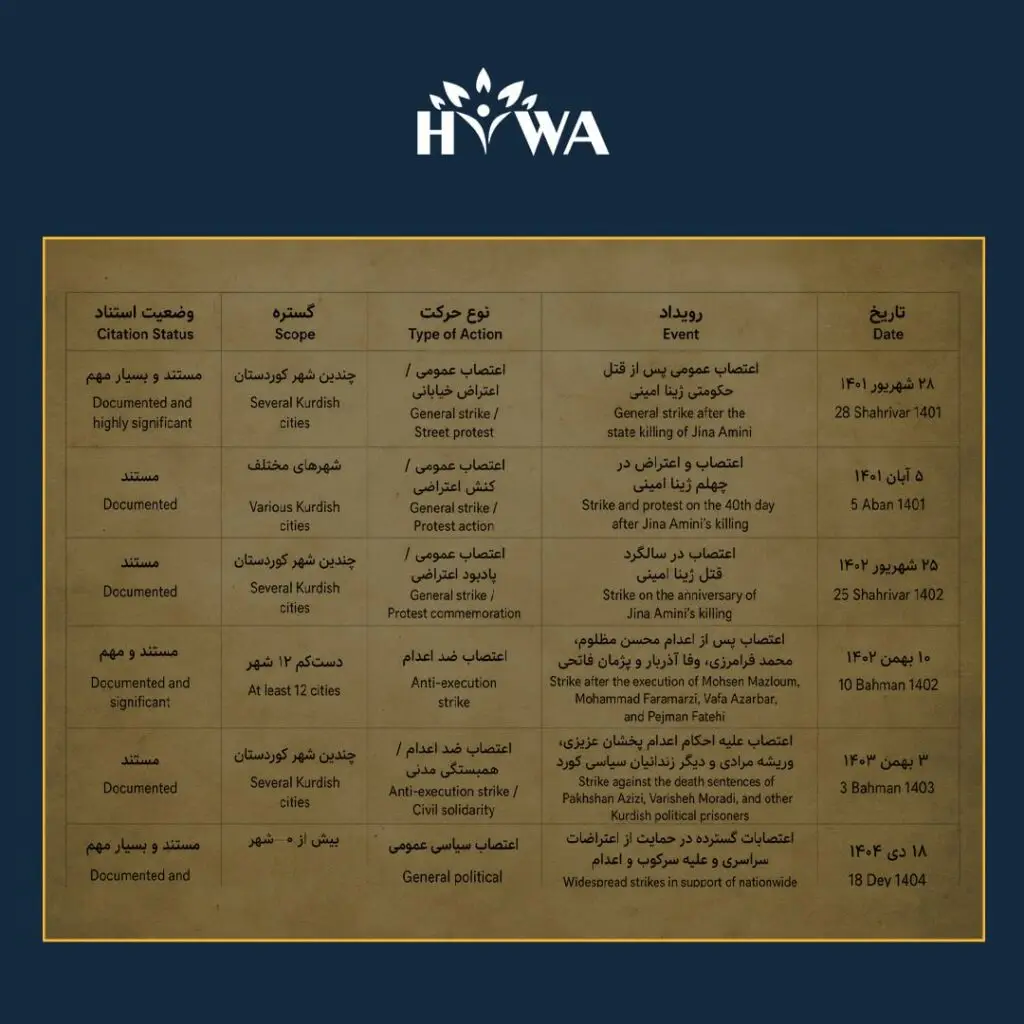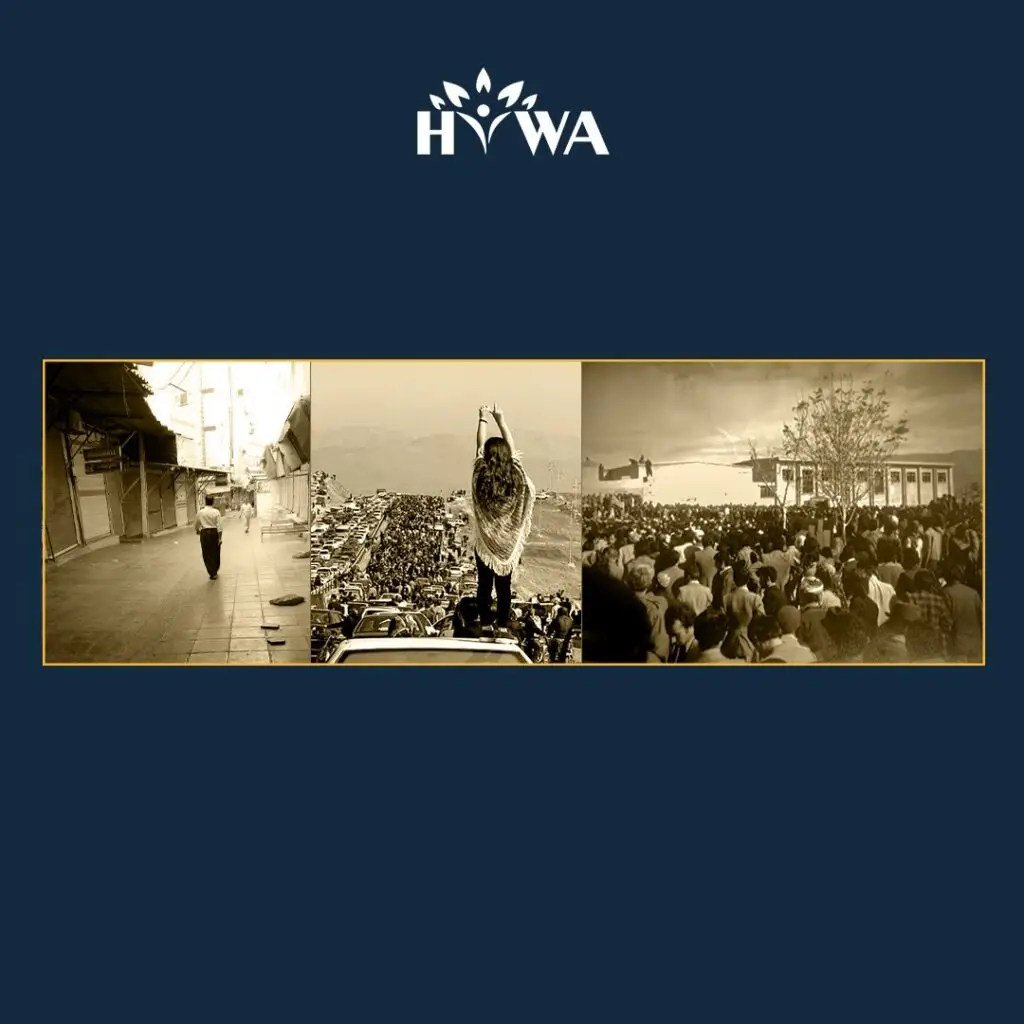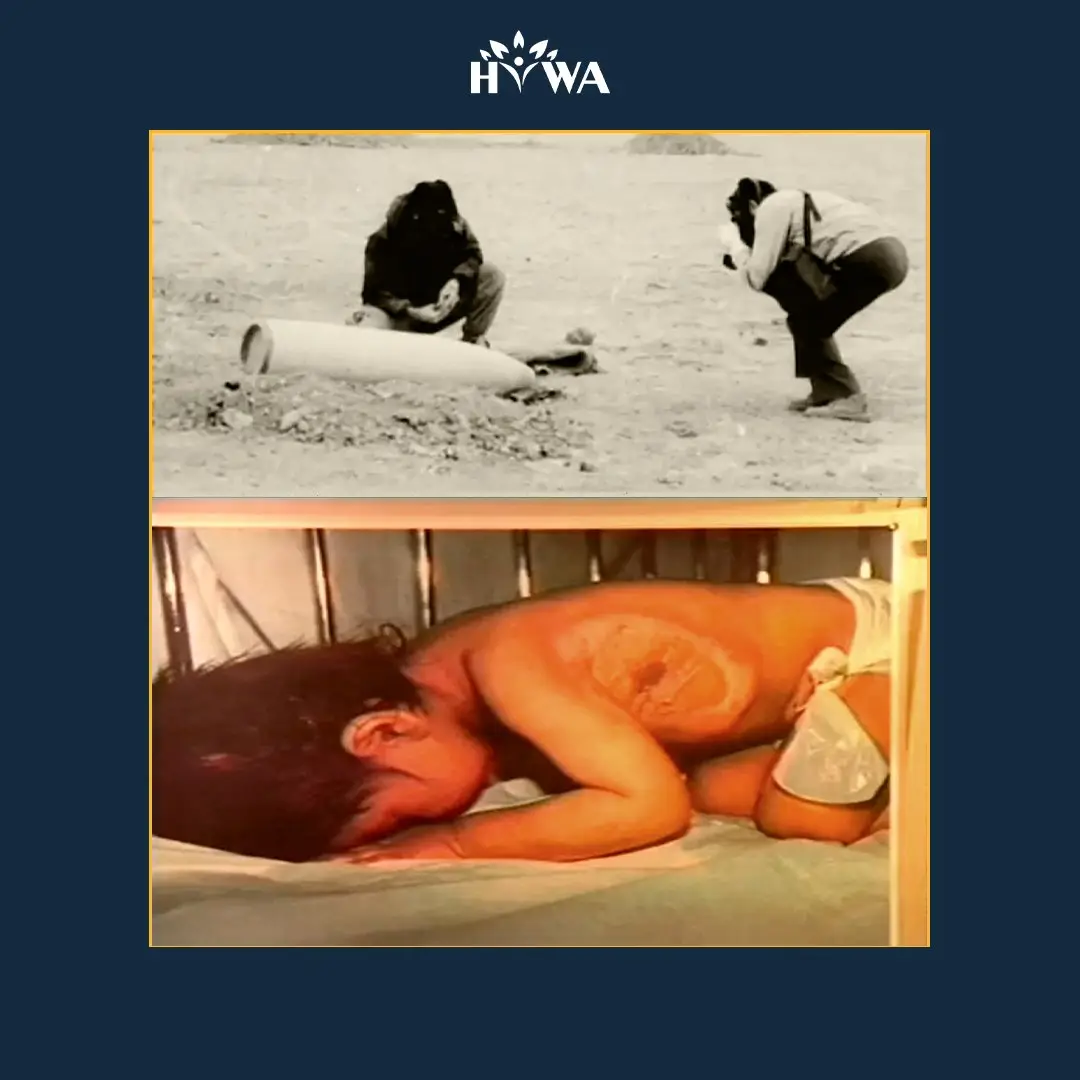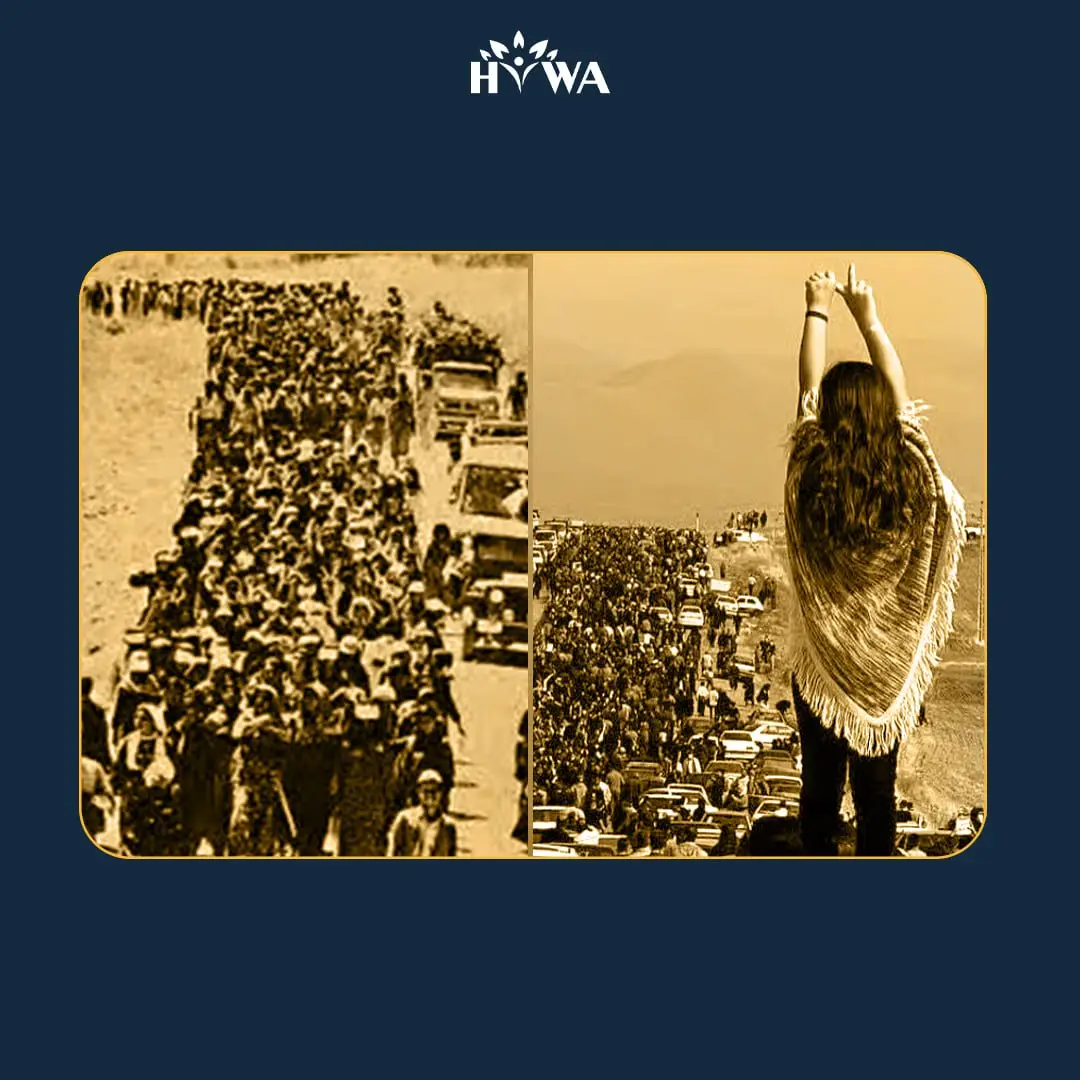
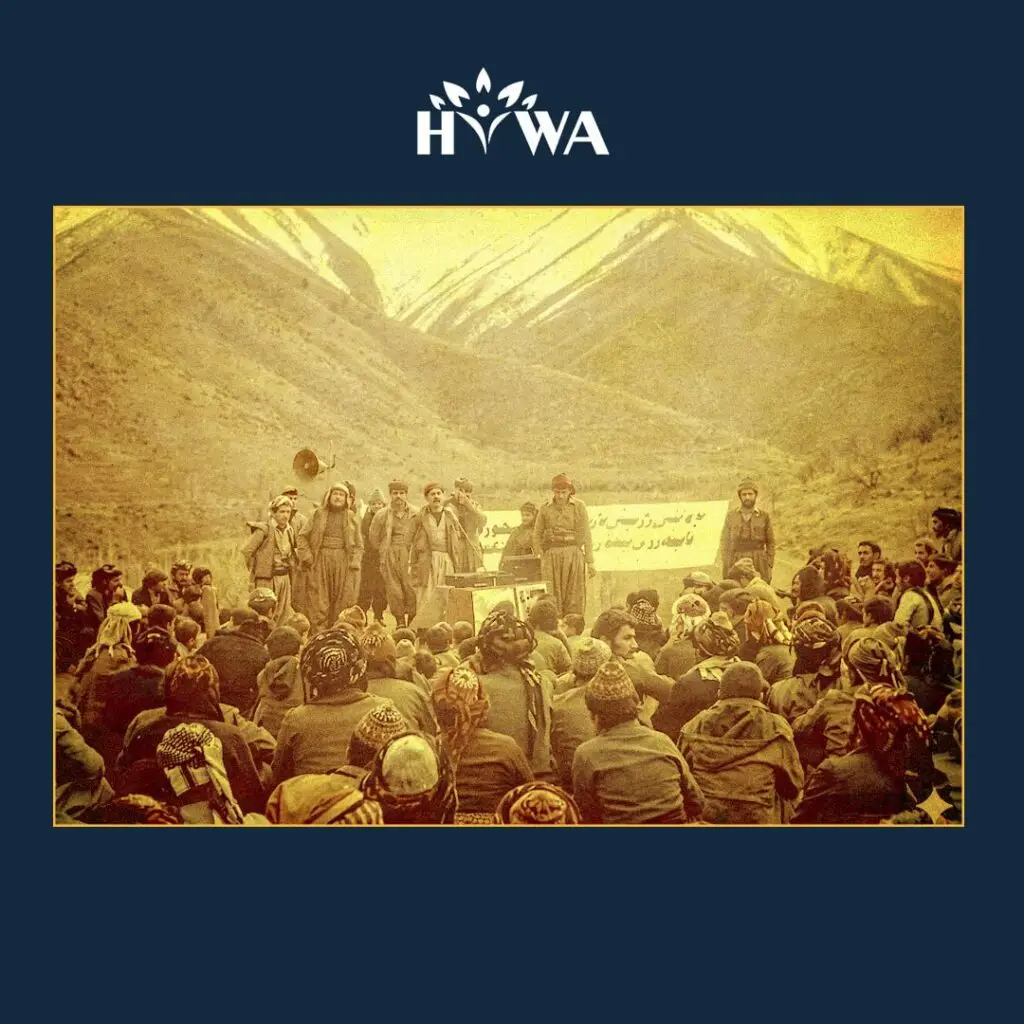
Since the 1979 revolution, at least 15 major examples of general strikes, protest migrations, and widespread civil disobedience have been recorded in Kurdistan. These moments have repeatedly shown that, in times of repression, executions, and crisis, Kurdish society has maintained the ability to organize collectively, act in coordination, and resist through nonviolent struggle.
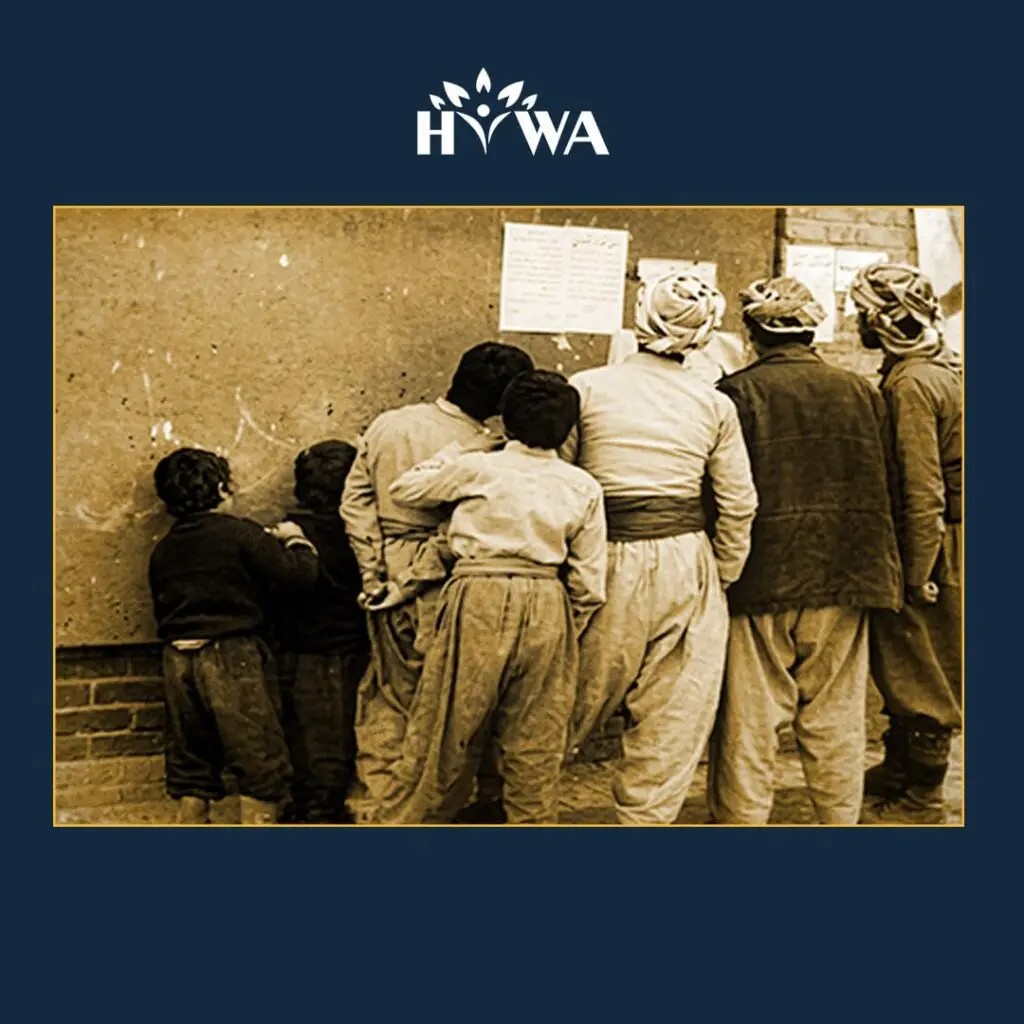
July 1979: The protest migration of Marivan
The people of Marivan left the city in protest against the government’s military threats, refusing to be drawn into imposed violence. At the same time, people in Sanandaj, Saqqez, and Baneh also mobilized in support of Marivan. This became one of the first and most significant collective nonviolent protest movements in Kurdistan after the revolution.
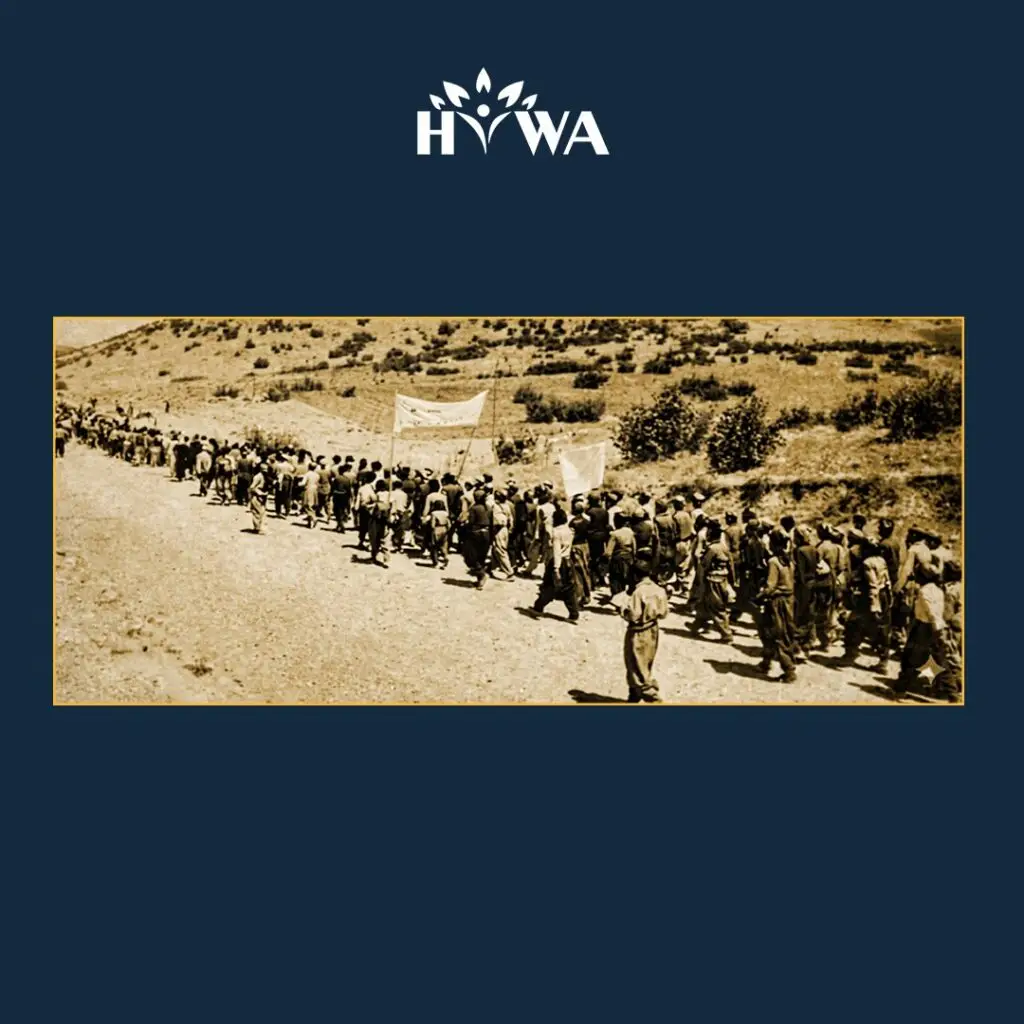
The 1980s: Strikes under the shadow of war and executions
During the 1980s, Kurdistan faced the pressures of war and mass executions, but civil action did not disappear. In June 1983, the people of Mahabad went on strike in protest against the execution of 59 young people and teenagers from the city. According to historical accounts, the strike was also met with support from other cities across Kurdistan.

The 1990s: Civil resistance under poverty and securitization
Despite developmental deprivation and a heavy security atmosphere, Kurdish society preserved earlier experiences of urban solidarity and collective action. The protests of 22 February 1999, especially in Sanandaj, following the arrest of Abdullah Öcalan, showed that the capacity for collective mobilization in Kurdistan was still alive.
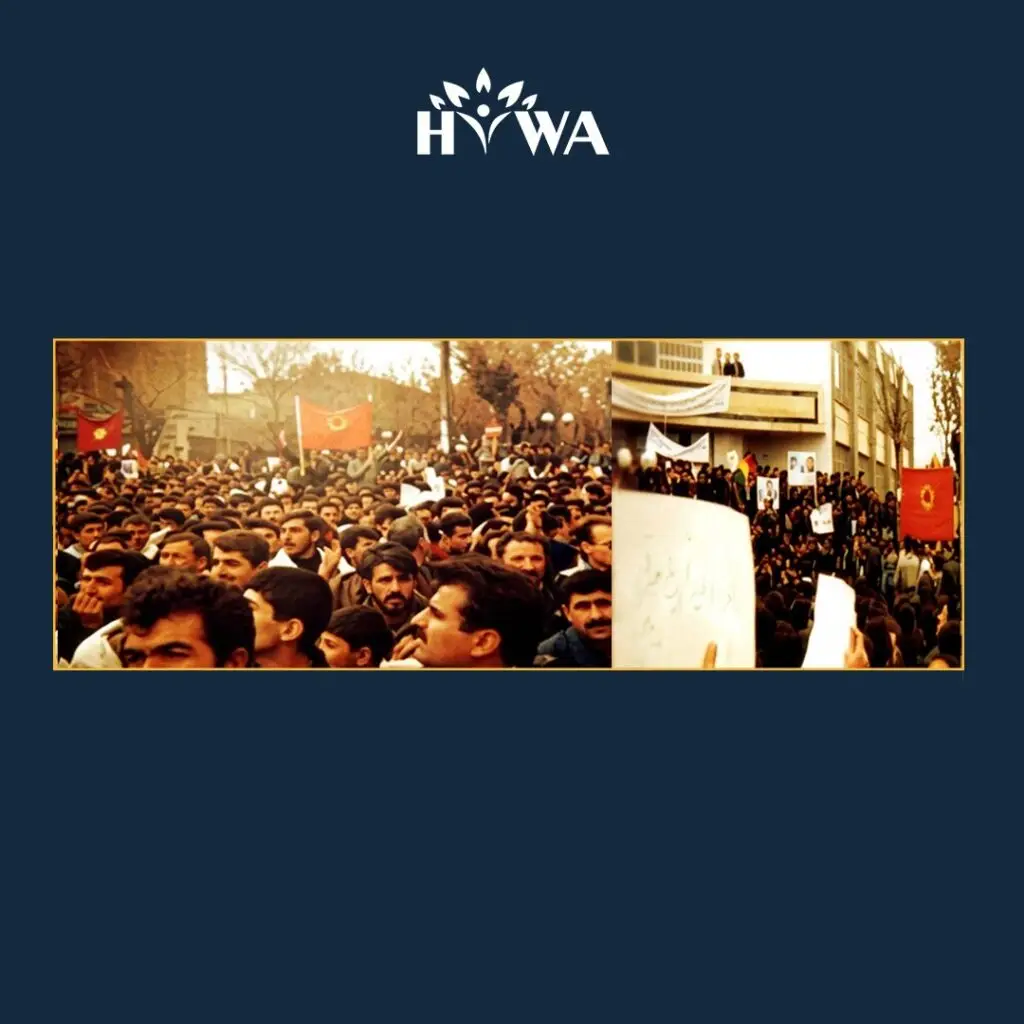
The 2000s: The return of general strikes to political struggle
In the 2000s, strikes following the killing of Shwaneh Seyed Qaderi in Mahabad, as well as the widespread strike after the execution of Farzad Kamangar, Shirin Alam-Houli, Farhad Vakili, Ali Heydarian, and Mehdi Eslamian, showed that general strikes remained one of the main tools of political and civil protest in Kurdistan.
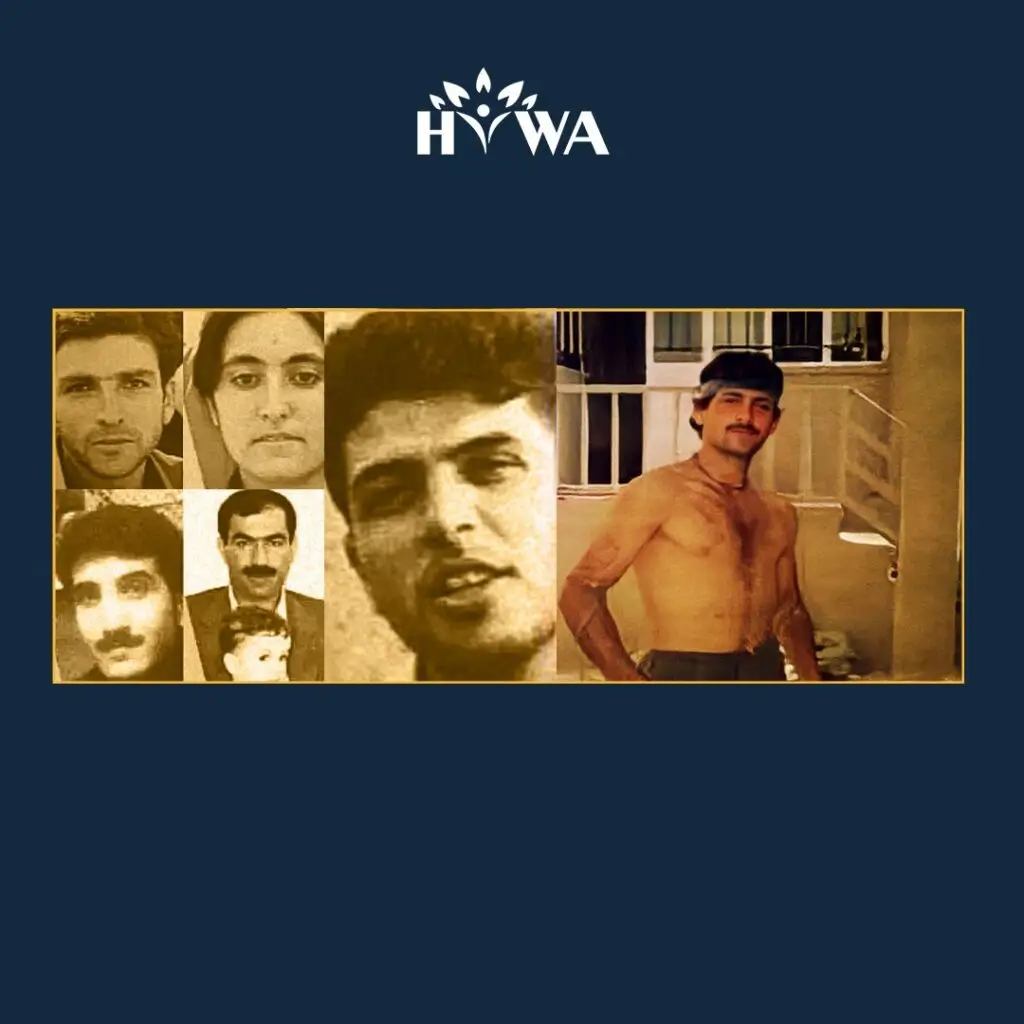
The 2010s: Strikes became tied to everyday life
In this period, strikes became increasingly connected to daily struggles around border labor, bread, dignity, and survival — especially in relation to kolbars, border communities, and economic injustice.
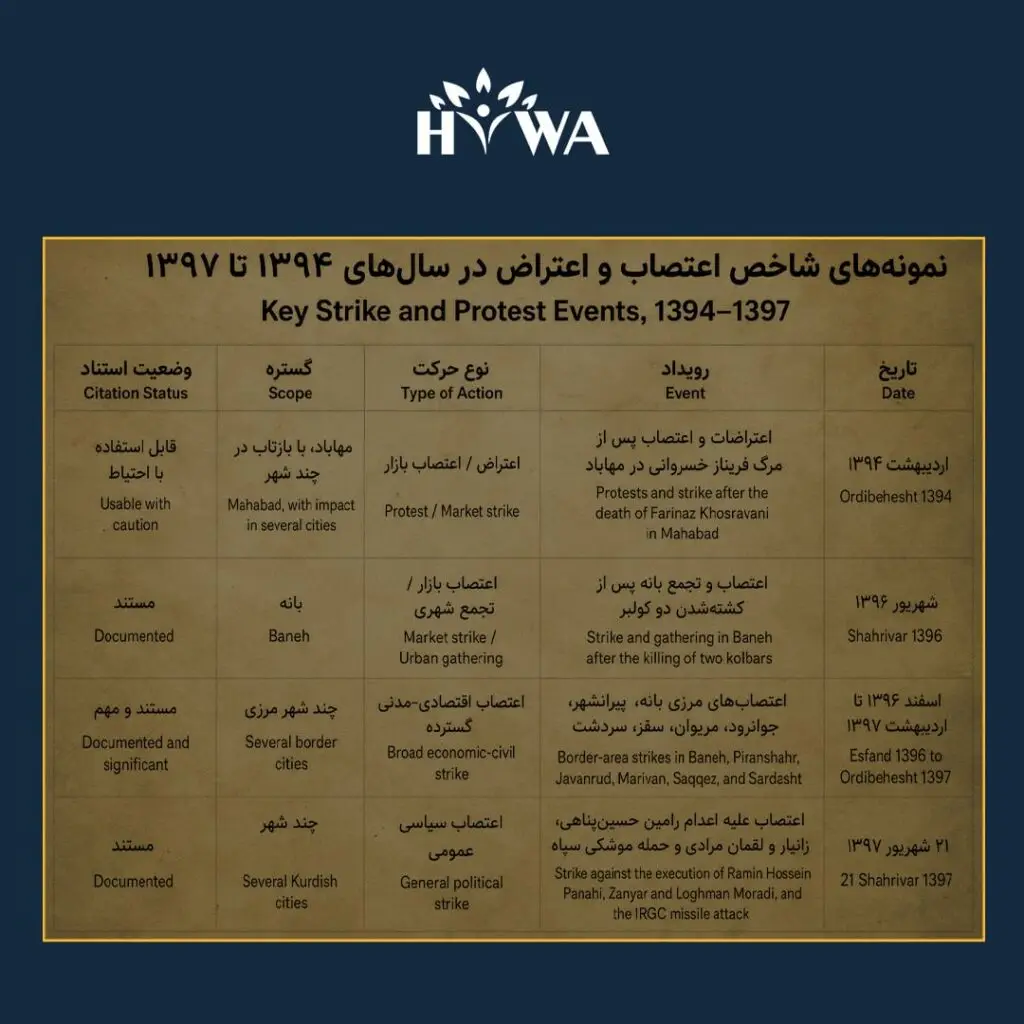
The 2010s: Strikes became tied to everyday life
In this period, strikes became increasingly connected to daily struggles around border labor, bread, dignity, and survival — especially in relation to kolbars, border communities, and economic injustice.