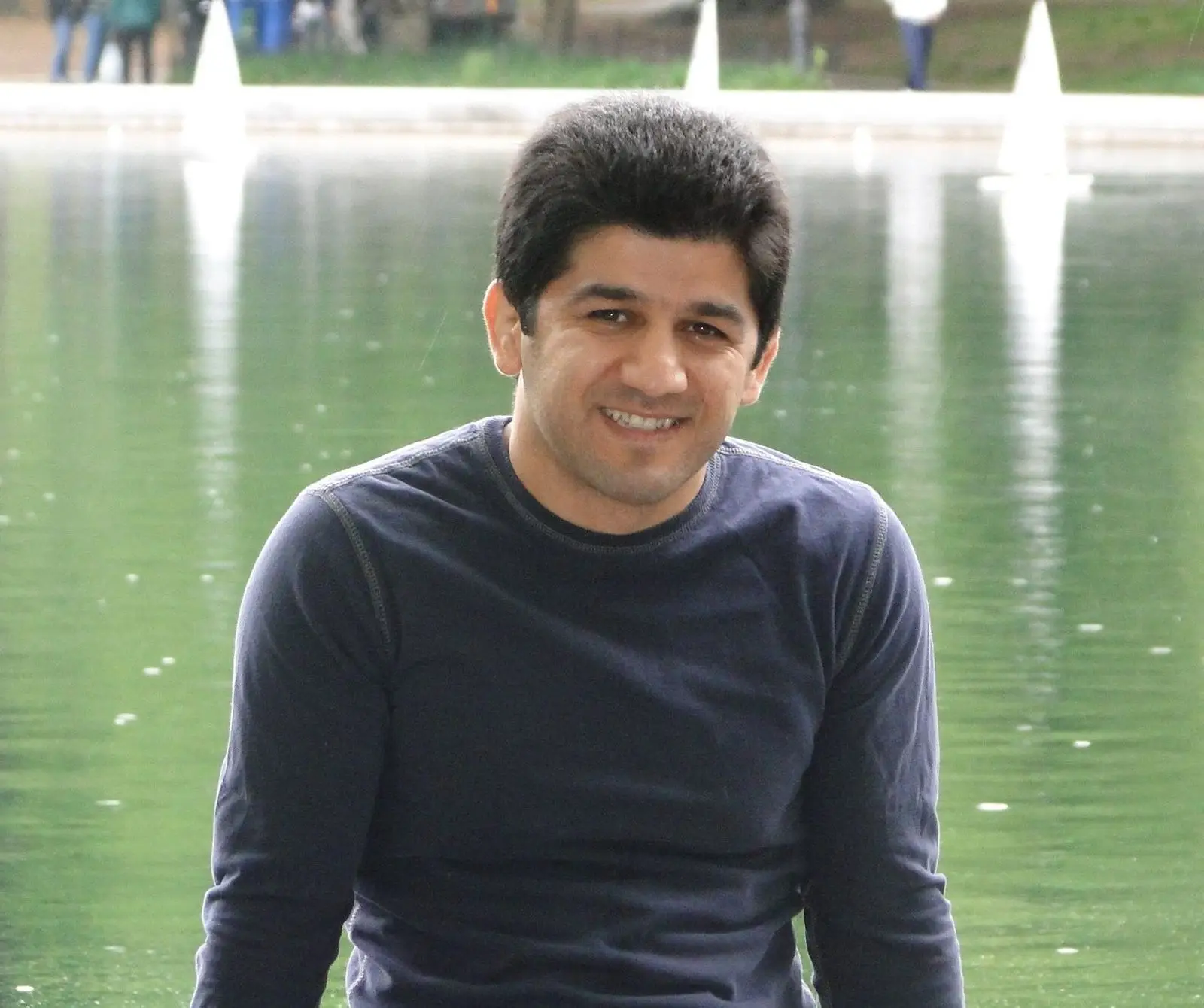

On Thursday morning, August 20, 2026 (29 Mordad 1405), Iranian authorities executed 20-year-old protester Ghaem Hosseini in Isfahan. Specifically, his execution marks the fifth death sentence carried out in connection with the Alikhani Square protest case.
Security forces originally arrested Hosseini during nationwide demonstrations on January 8, 2026.
Unproven Allegations and Contradictory State Narrative
The judiciary convicted Hosseini of Moharebeh (enmity against God), Efsad-fil-Arz (corruption on Earth), damaging public property, and collusion against national security. Specifically, state media claimed he carried a cold weapon and damaged property at the scene. However, even state prosecutors never charged Hosseini with direct involvement in the murder of the four security personnel killed during the demonstration.
In addition, state media outlets falsely reported that Hosseini was a “foreign national” without identifying a specific country. Conversely, relatives confirmed he was an Iranian citizen born and raised in Isfahan. Hosseini was also the maternal cousin of Gol-Mohammad Mohammadi, an Afghan national previously executed in the same case.
Breach of International Legal Standards
UN human rights experts previously condemned the secretive trials in the Alikhani Square case, warning against issuing mass death sentences without establishing individual criminal responsibility. Furthermore, international human rights law restricts the death penalty strictly to intentional murder. Therefore, executing Hosseini for non-fatal offenses represents an arbitrary deprivation of life and a severe violation of due process.
Prior to Hosseini, authorities executed co-defendants Erfan Esfandiari, Gol-Mohammad Mohammadi, Abolfazl Sepahi, and Amirhossein Safari. Ultimately, with this fifth execution carried out, the lives of the remaining co-defendants in the Alikhani Square case remain in grave danger.